


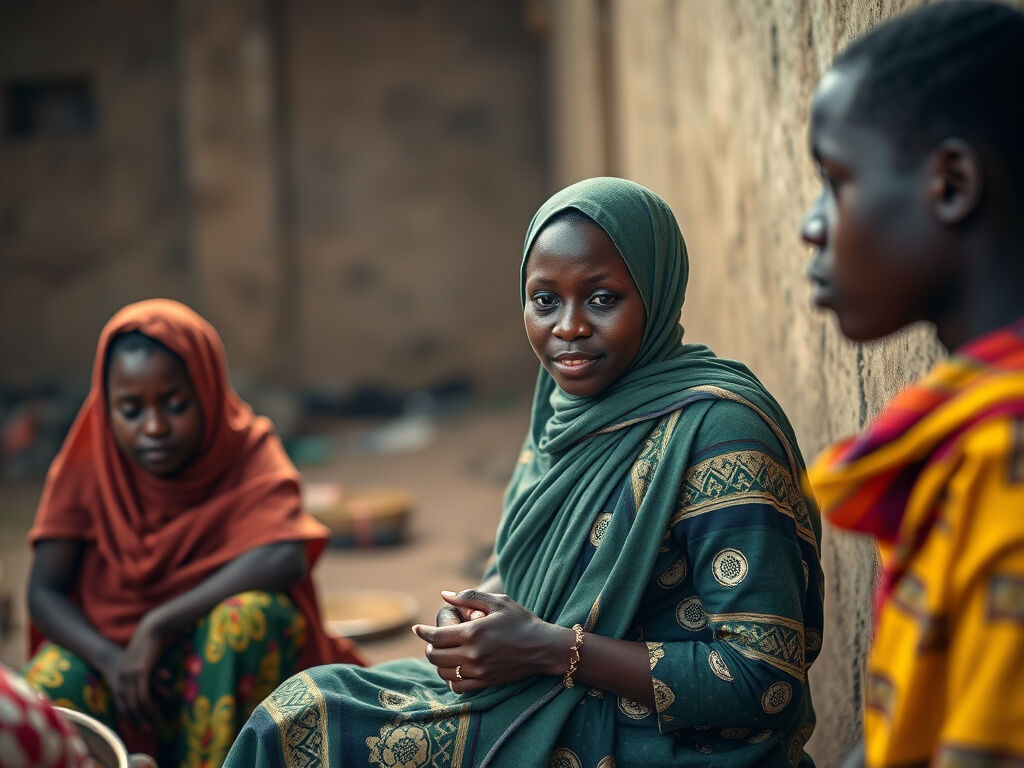
Introduction to Ghana’s Social Safety Programme
Ghana’s Social Safety Programme (SSP) represents a landmark initiative designed to mitigate poverty, reduce inequality, and provide essential support to the most vulnerable segments of the population. Launched as part of broader efforts to strengthen social protection systems, the programme targets marginalised groups, including the elderly, persons with disabilities, and low-income households. This article provides an in-depth analysis of the programme’s structure, implementation mechanisms, key components, and its potential long-term impact on Ghana’s socio-economic landscape.
The Genesis and Objectives of the Social Safety Programme
The Social Safety Programme was conceptualised in response to persistent challenges such as high poverty rates, limited access to social services, and economic vulnerabilities exacerbated by external shocks like the COVID-19 pandemic. The government’s vision for the programme aligns with Sustainable Development Goal (SDG) 1: No Poverty, as well as broader national development priorities outlined in Ghana’s Growth and Shared Prosperity Agenda (GSPA).
Key objectives of the programme include:
1. Poverty Alleviation: Direct cash transfers and in-kind support to reduce extreme poverty among targeted beneficiaries.
2. Social Protection Expansion: Strengthening existing social protection frameworks to ensure comprehensive coverage.
3. Inclusive Growth: Empowering vulnerable groups to participate actively in economic activities.
4. Resilience Building: Equipping households with coping mechanisms to withstand economic and health crises.
The programme is structured into two phases, with Phase 1 focusing on piloting and scaling up interventions in selected regions before nationwide expansion.
Phase 1: Implementation and Key Components
Phase 1 of the Social Safety Programme has been meticulously designed to ensure efficiency, transparency, and sustainability. Below are the critical components and implementation strategies:
1. Target Beneficiaries and Eligibility Criteria
The programme prioritises the following groups:
– Elderly Persons (60 years and above): Individuals who lack adequate financial resources to meet basic needs.
– Persons with Disabilities: Those with physical or mental impairments that hinder their ability to earn a livelihood.
– Low-Income Households: Families living below the poverty line, as determined by the Ghana Living Standards Survey (GLSS).
– Vulnerable Children: Orphans, street children, and those in households facing severe economic hardship.
Eligibility is assessed through a multi-criteria analysis, including:
– Household asset ownership (e.g., land, housing, livestock).
– Income levels (verified through employment records or self-declaration).
– Vulnerability indicators (e.g., presence of chronic illnesses, single-parent households).
A Community-Based Verification System has been established to ensure accuracy and reduce fraud, involving local leaders, social workers, and community volunteers.
2. Financial and Non-Financial Support Mechanisms
The programme offers a dual support system combining financial and non-financial interventions:
- Cash Transfers:
- Monthly Stipends: Beneficiaries receive GH₵100–GH₵300 (equivalent to approximately $15–$45 USD) depending on their vulnerability level. Payments are disbursed via mobile money platforms (e.g., MTN Mobile Money, Vodafone Cash) to ensure accessibility, especially in rural areas.
-
Conditional Cash Transfers (CCT): Some beneficiaries must meet specific conditions, such as enrolling children in school or attending health check-ups, to continue receiving support.
-
Non-Financial Interventions:
- Healthcare Access: Subsidised medical services, including free consultations and essential medications for targeted groups.
- Education Support: School fees waivers, uniforms, and learning materials for vulnerable children.
- Skill Development: Vocational training programmes to enhance employability, particularly for persons with disabilities.
- Food Security Initiatives: Distribution of food vouchers or direct food aid during periods of scarcity.
3. Governance and Institutional Framework
The implementation of Phase 1 is overseen by a multi-stakeholder governance structure, including:
– Ministry of Social Protection: Primary coordinating body responsible for policy formulation and oversight.
– District Assemblies: Local authorities responsible for beneficiary identification, verification, and disbursement.
– Civil Society Organisations (CSOs): Partner organisations assist in community outreach, awareness campaigns, and monitoring.
– Independent Audit Units: Ensuring transparency and accountability in fund utilisation.
A National Social Protection Council has been established to provide strategic direction, while regional and district-level committees handle day-to-day operations.
Challenges and Mitigation Strategies
Despite its ambitious goals, the programme faces several challenges:
- Funding Constraints:
-
Solution: The government has secured partnerships with international donors (e.g., World Bank, African Development Bank) and explored public-private collaborations to supplement budgets.
-
Administrative Delays:
-
Solution: Digitalisation of beneficiary registration and payment systems (e.g., Ghana’s National Digital Address System) has streamlined processes.
-
Public Awareness Gaps:
-
Solution: Intensive radio, TV, and community outreach campaigns have been launched to educate potential beneficiaries about the programme’s benefits and application procedures.
-
Fraud and Misappropriation Risks:
- Solution: Biometric verification and random audits are conducted to ensure funds reach intended recipients.
Impact and Success Metrics
Early evaluations of Phase 1 indicate promising results:
– Poverty Reduction: Preliminary data suggests a 12–15% reduction in extreme poverty among targeted households in pilot regions.
– Health Outcomes: Increased access to healthcare has led to a 20% rise in preventive health check-ups among elderly beneficiaries.
– Educational Attendance: School enrolment rates for vulnerable children have improved by 18% in programme-covered areas.
– Economic Empowerment: Vocational training initiatives have placed over 3,000 persons with disabilities in informal employment.
The government plans to scale up Phase 1 to cover additional regions by 2025, with a phased expansion to include unemployed youth and single mothers in subsequent phases.
Future Outlook and Scalability
Looking ahead, the Social Safety Programme is poised to evolve into a more robust and inclusive social protection system. Key future steps include:
– Integration with Existing Schemes: Seamless linkage with programmes like the National Health Insurance Scheme (NHIS) and Free SHS (Senior High School) initiative.
– Technology-Driven Efficiency: Further adoption of blockchain and AI for real-time monitoring and fraud detection.
– Regional Replication: Sharing best practices with other African nations to foster pan-African social protection collaboration.
– Sustainable Funding Models: Exploring tax incentives for corporate social responsibility (CSR) contributions and impact investing to ensure long-term viability.
Conclusion
Ghana’s Social Safety Programme represents a bold step towards building a more equitable and resilient society. By combining financial assistance, healthcare access, and skill development, the programme addresses the multi-dimensional needs of vulnerable populations. While challenges remain, the structured governance, community engagement, and data-driven approach position the initiative for scalable success.
As Phase 1 continues to demonstrate tangible outcomes, the programme sets a precedent for inclusive development in West Africa, offering a blueprint for other nations seeking to strengthen their social protection frameworks. With sustained political will, innovative financing, and community participation, Ghana’s Social Safety Programme has the potential to transform lives and reduce inequality for generations to come.
Note: For the most current updates on beneficiary numbers, regional coverage, and policy adjustments, refer to official communications from the Ministry of Social Protection, Ghana.