


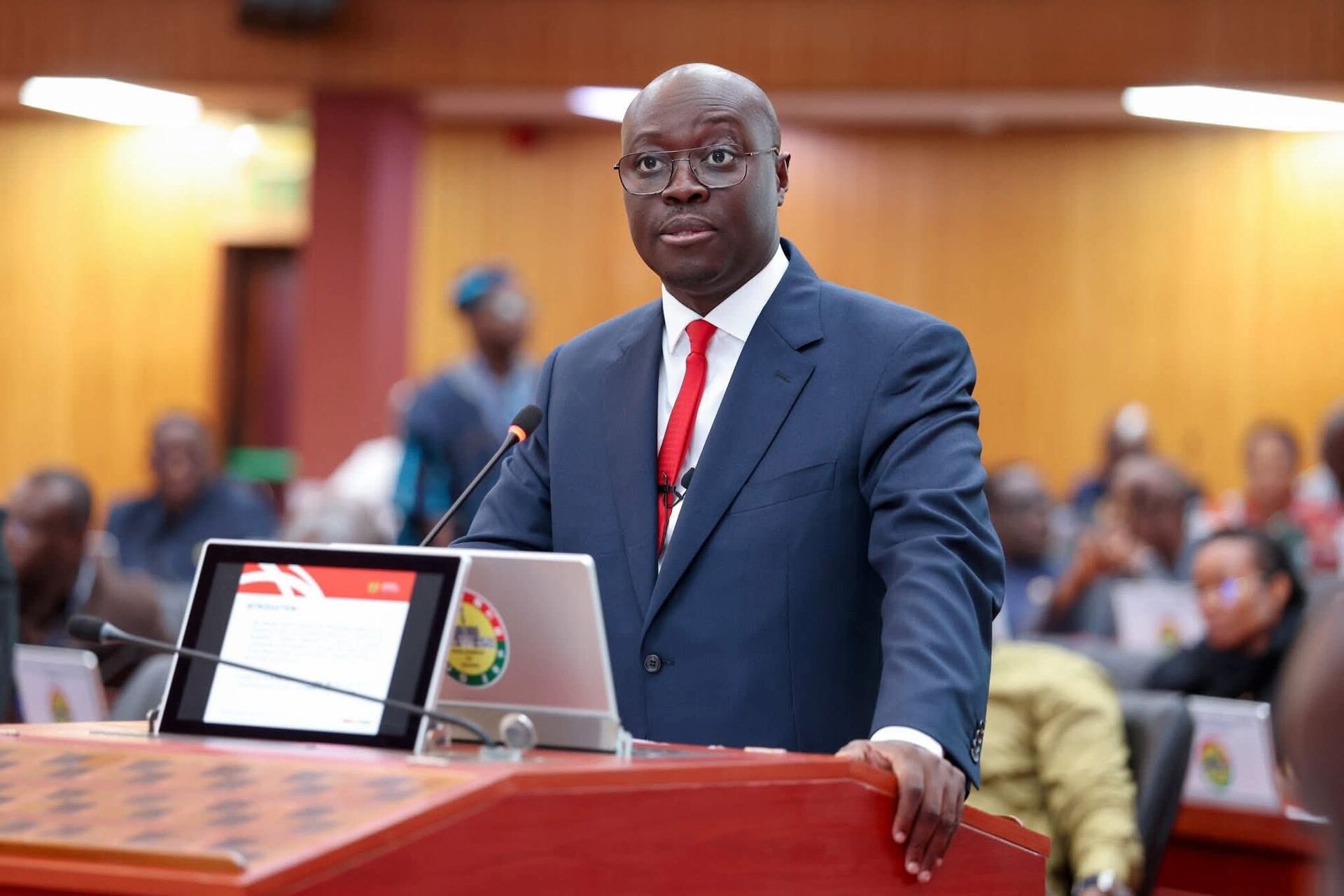
In a detailed presentation to Parliament on Thursday, the Ministry of Finance has categorically dismissed allegations of underspending, asserting that the government has met critical fiscal obligations while upholding fiscal discipline and driving Ghana’s economic recovery. Dr. Cassiel Ato Forson, Minister for Finance, Economics, and Planning, highlighted that the government’s expenditure strategy has been methodically aligned with the 2026 Budget, ensuring resources are allocated to high-priority sectors—including compensation, debt servicing, education, health, agriculture, infrastructure, and social protection.
A Strategic Approach to Fiscal Responsibility
Dr. Forson emphasized that the government has strictly adhered to the principle of spending only available resources, ensuring value for money in every allocation. Contrary to public perception, he stated that substantial resources have been deployed across key sectors to protect livelihoods, strengthen infrastructure, and sustain economic stability.
The Mid-Year Budget Review (MYBR) revealed that the government has actively managed public expenditure without compromising fiscal sustainability, a departure from the economic challenges inherited by the current administration—including a rapidly depreciating cedi, hyperinflation exceeding 50%, a junk sovereign credit rating, and loss of access to international capital markets.
Key Expenditure Breakdown: Sectoral Allocations and Achievements
1. Compensation and Social Security
The government has allocated GH¢48.8 billion toward compensation for public sector workers, reflecting a commitment to fair remuneration and pension contributions. This includes:
– GH¢4 billion directed to the Social Security and National Insurance Trust (SSNIT) and the Tier Two Pension Scheme, ensuring long-term financial security for retirees.
– GH¢4.4 billion transferred to the District Assemblies Common Fund (DACF), supporting decentralized governance and local development initiatives.
2. Debt Servicing and Fiscal Sustainability
Ghana’s debt obligations remain a top priority, with the government allocating GH¢21.5 billion toward domestic interest payments. Additionally:
– $700 million was disbursed to service Eurobond debt, including principal and interest.
– GH¢10 billion was paid to domestic bondholders, reinforcing investor confidence in Ghana’s financial stability.
3. Capital Expenditure: Infrastructure and Economic Growth
A total of GH¢11.5 billion has been released for capital expenditure, with strategic allocations to:
– GH¢6.5 billion under the Big Push Infrastructure Programme, aimed at accelerating road, bridge, and energy infrastructure development.
– GH¢1.7 billion to the Road Maintenance Trust Fund, ensuring the sustainability of Ghana’s transport network.
– GH¢7.1 billion for stable electricity supply, addressing power sector challenges and reducing blackouts.
– GH¢4.5 billion to the National Health Insurance Scheme (NHIS), expanding healthcare access across the country.
4. Education: Investing in Human Capital
The education sector received GH¢4.2 billion from the Ghana Education Trust Fund (GETFund), alongside:
– GH¢1.8 billion for the Free Secondary Education Programme, ensuring equitable access to secondary education.
– GH¢915 million allocated for goods and services, including sanitary pads for schoolgirls.
– GH¢76 million as Capitation Grants for public schools.
– GH¢46 million for BECE registration fees, reducing financial barriers for students.
– GH¢537 million under the No Fees Stress Policy, supporting vulnerable students.
– GH¢104 million for Teacher Trainee Allowances and GH¢144 million for Nursing Trainee Allowances, fostering skilled workforce development.
5. Social Protection: Safeguarding Vulnerable Populations
The government has allocated GH¢485 million to Livelihood Empowerment Against Poverty (LEAP) beneficiaries, while GH¢877 million was earmarked for the Ghana School Feeding Programme, ensuring nutritional support for schoolchildren.
Additional social protection measures include:
– GH¢459 million to the Youth Employment Agency, promoting job creation and skills development.
– GH¢93 million for Assembly Members’ Allowances, strengthening local governance.
– GH¢45 million invested in the National Apprenticeship Programme, enhancing vocational training opportunities.
6. Agriculture: Boosting Food Security and Rural Development
Agriculture remains a cornerstone of Ghana’s economic recovery, with GH¢1.1 billion allocated to:
– National Food Buffer Stock Company initiatives.
– Fertilizer and certified seed distribution to enhance agricultural productivity.
– Feed Ghana and irrigation projects, supporting smallholder farmers.
– An additional GH¢551 million placed in an escrow account to establish a letter of credit for Farmer Service Centres, ensuring long-term agricultural support.
7. Resource Mobilization and Sector-Specific Investments
The government has also directed funds toward strategic economic sectors:
– GH¢961 million to the Ghana National Petroleum Corporation (GNPC).
– GH¢458 million to the Mineral Development Fund, supporting sustainable mining practices.
– GH¢477.4 million to the Integrated Recycling and Compost Plant (IRECOP) initiative, promoting environmental sustainability.
8. Special Allocations: National Priorities and Security
- GH¢58 million was released to support Ghana’s participation in the 2026 FIFA World Cup, boosting national pride and tourism.
- GH¢16 million allocated to the National Anti-Illegal Mining Operations Secretariat, combating environmental degradation and illegal mining activities.
9. Operational Expenditure and Legacy Arrears
- Approximately GH¢7.9 billion was spent on goods and services to maintain government operations.
- GH¢5.3 billion was utilized to clear legacy arrears inherited from previous administrations, ensuring financial transparency and accountability.
A Path Forward: Consolidating Economic Recovery
Dr. Forson underscored that the government’s prudent fiscal strategy is designed to:
– Consolidate Ghana’s economic recovery by maintaining fiscal discipline.
– Protect vulnerable households through targeted social interventions.
– Lay a strong foundation for sustainable growth, ensuring long-term economic resilience.
By transparently detailing expenditure allocations, the government aims to dispel misconceptions about underspending and demonstrate its commitment to responsible fiscal management in the face of Ghana’s complex economic challenges.
The Mid-Year Budget Review serves as a testament to the administration’s dedication in navigating Ghana toward stability, growth, and inclusive development.