


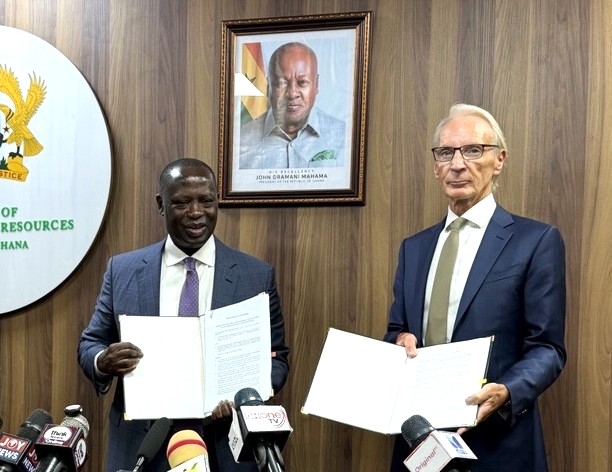
Ghana has taken a monumental step towards transforming its artisanal and small-scale gold mining (ASGM) sector with the formal signing of a strategic Memorandum of Understanding (MoU) with the World Gold Council (WGC). The landmark agreement, announced by both parties, aims to formalise the sector, enhance supply chain transparency, and combat illicit financial flows linked to gold extraction. This collaboration marks a pivotal moment in Ghana’s efforts to harness the economic potential of its mining industry while ensuring sustainability, responsible sourcing, and community empowerment.
A Vision for Formalisation and Responsible Sourcing
At the heart of the partnership is a shared vision to establish a nationwide network of accessible, high-standard processing facilities that prioritise responsible sourcing. These facilities will serve as trusted hubs, incentivising artisanal miners to transition from informal to formal gold supply chains. By doing so, the initiative seeks to eliminate harmful practices, such as mercury use and illegal mining, while ensuring that miners receive fair compensation for their contributions.
The MoU outlines comprehensive cooperation between Ghana’s government and the WGC across multiple fronts, including:
– Policy and regulatory framework development to align ASGM practices with international standards.
– Capacity building for miners, including training in modern extraction techniques, environmental stewardship, and financial literacy.
– Support for traceability and origin verification technologies, ensuring that every ounce of gold can be tracked from extraction to market.
– Educational initiatives to raise awareness about responsible mining practices within communities.
Initial Investment and Long-Term Impact
As a first step in implementing this vision, the WGC has pledged an initial development grant of $250,000 to support Ghana’s rCOMSDEP (Responsible Cooperative Mining Scheme Development Programme). This flagship initiative aims to register and formalise artisanal mining cooperatives, providing them with legal recognition, access to financing, and market linkages.
Beyond financial support, the MoU underscores a mutual commitment to unlocking the social and economic benefits of responsible ASGM. By integrating miners into the formal economy, Ghana can reduce poverty, create jobs, and protect its natural resources while ensuring that the country’s gold exports remain legitimate and marketable globally.
Government and Industry Leaders Celebrate the Partnership
The announcement was met with enthusiastic endorsement from Ghana’s leadership and the global mining industry.
Emmanuel Armah Kofi Buah, Minister for Lands and Natural Resources, emphasised the strategic importance of the partnership:
“This collaboration underscores Ghana’s dedication to modernising artisanal and small-scale gold mining into a responsible, regulated, and economically empowering sector. By partnering with the World Gold Council, we are not only formalising ASGM but also ensuring that our communities and nation derive maximum benefit from our gold resources. This initiative will eliminate illegal mining, protect our environment, and strengthen Ghana’s position as a global leader in ethical gold production.”
David Tait, Chief Executive Officer of the World Gold Council, highlighted Ghana’s leadership in addressing ASGM challenges:
“Ghana is a global benchmark in gold production, and its proactive approach to managing artisanal and small-scale mining sets a powerful example. This MoU provides a robust framework for collaboration—combining government policy, international expertise, and industry innovation—to build a transparent, accountable, and miner-friendly ASGM value chain. Such a system will benefit miners, communities, and the broader gold market.”
Broader Implications for Ghana’s Mining Sector
The partnership between Ghana and the WGC extends beyond immediate economic gains. By formalising ASGM, the initiative addresses long-standing challenges such as:
– Illegal mining and gold smuggling, which deprive the state of revenue and destabilise local economies.
– Environmental degradation, including deforestation, mercury pollution, and water contamination.
– Exploitation of miners, who often operate in precarious conditions without legal protections or fair wages.
Through technology-driven traceability, Ghana can ensure that its gold adheres to international standards, such as those set by the London Bullion Market Association (LBMA) and the OECD Due Diligence Programme. This will enhance Ghana’s market credibility, attract foreign investment, and open doors to premium markets that demand ethically sourced gold.
A Blueprint for Regional and Global Replication
Ghana’s collaboration with the WGC could serve as a model for other gold-producing nations, particularly in West Africa and beyond, where ASGM remains a significant yet unregulated economic activity. Countries like Burkina Faso, Mali, and the Democratic Republic of Congo face similar challenges, and Ghana’s structured approach—combining government policy, international funding, and community engagement—offers a scalable solution.
The Path Forward: Challenges and Opportunities
While the partnership holds transformative potential, its success will depend on sustained commitment from both parties. Key priorities include:
1. Scaling up processing facilities to accommodate the transition of miners from informal to formal operations.
2. Strengthening enforcement mechanisms to curb illegal mining and ensure compliance with environmental and labour laws.
3. Investing in alternative livelihoods to reduce reliance on gold mining in vulnerable communities.
4. Engaging local stakeholders, including miners’ unions, traditional leaders, and civil society, to foster ownership of the initiative.
If executed effectively, this partnership could redefine Ghana’s mining sector, turning it into a driver of sustainable development, job creation, and equitable growth—while setting a new standard for responsible gold production worldwide.
This strategic alliance marks a turning point for Ghana’s economy, proving that responsible mining is not just an aspiration but an achievable reality with the right partnerships and policies in place.