


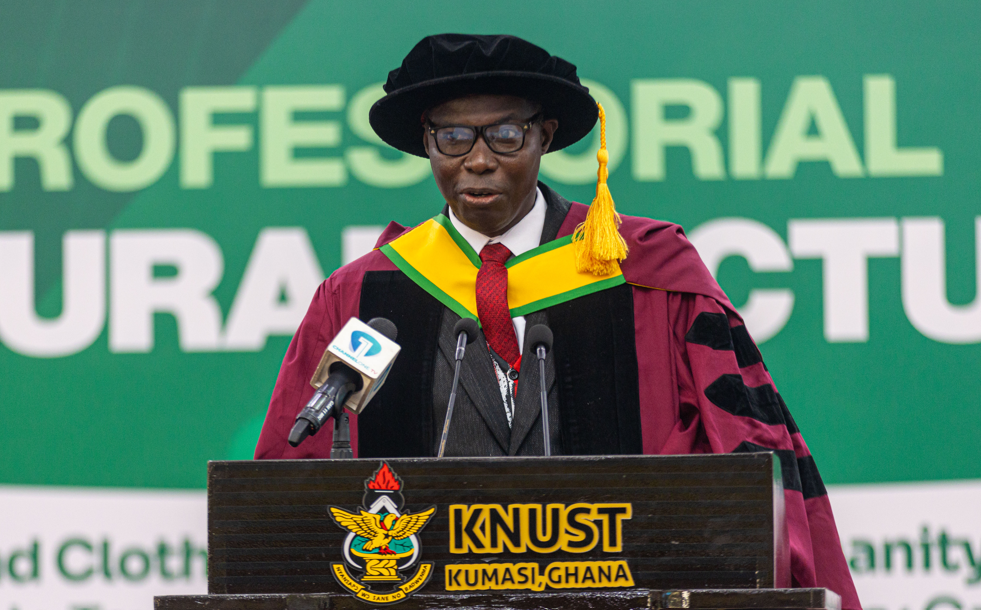
In a bold and strategic proposal aimed at reigniting Ghana’s once-thriving textiles and apparel sector, a distinguished professor from the Kwame Nkrumah University of Science and Technology (KNUST) has called for the establishment of a dedicated Ministry of Textiles and Apparel. The suggestion, made during a recent academic and industry engagement, underscores the urgent need for a coordinated, policy-driven approach to address the sector’s decline and unlock its vast economic potential.
The Decline of Ghana’s Textiles and Apparel Sector
Ghana’s textiles and apparel industry, historically a cornerstone of the nation’s manufacturing landscape, has faced decades of stagnation and decline. Factors contributing to this downturn include:
– Over-reliance on imports, with Ghana importing over 90% of its clothing needs, costing the economy billions of cedis annually.
– Lack of modern infrastructure, including outdated machinery and inadequate power supply, which stifles productivity.
– Weak policy frameworks, leading to inconsistent support for local manufacturers and a lack of incentives for innovation.
– Competition from cheaper imports, particularly from Asia, which has dominated global markets with lower production costs.
These challenges have resulted in massive job losses, particularly in textile mills and garment factories, where thousands of Ghanaians once found employment. The sector, which once contributed significantly to Ghana’s GDP, now operates at a fraction of its former capacity.
The Professor’s Proposal: A Ministry for Revival
Professor Dr. [Name Redacted], a leading expert in industrial policy and textile technology at KNUST, has argued that the fragmented approach currently governing the sector is insufficient. His proposal advocates for the creation of a standalone Ministry of Textiles and Apparel, separate from existing ministries such as Trade or Industry, to provide specialised oversight, funding, and strategic direction.
Key components of the proposal include:
- Centralised Policy Coordination
- A dedicated ministry would ensure consistent and long-term policies tailored to the unique needs of the textiles and apparel industry, rather than being sidelined in broader economic agendas.
-
It would facilitate collaboration between government, academia, and private sector stakeholders to develop industry-specific strategies.
-
Investment in Modern Infrastructure
- The ministry would oversee large-scale infrastructure development, including the establishment of textile parks with state-of-the-art machinery, reliable electricity, and water supply.
-
Partnerships with international development agencies and private investors could be forged to fund these projects, ensuring Ghana remains competitive in global markets.
-
Tax Incentives and Subsidies
- To attract both local and foreign investment, the ministry could propose tax holidays, duty exemptions, and subsidies for textile manufacturers, reducing production costs and improving profitability.
-
A graduated tax system could be introduced, where smaller enterprises benefit from lower rates initially, before scaling up as they grow.
-
Skills Development and Workforce Training
- A national textile training institute could be established under the ministry’s purview, offering vocational training in sewing, garment design, textile production, and quality control.
-
Collaboration with technical and vocational education (TVET) institutions would ensure a steady pipeline of skilled workers to meet industry demands.
-
Export Promotion and Market Access
- The ministry would lead export promotion campaigns, identifying high-demand markets such as the European Union (EU), United States, and West African regional markets.
- Trade agreements and preferential tariffs could be negotiated to reduce barriers for Ghanaian-made textiles and apparel in global markets.
-
Participation in international trade fairs and exhibitions would enhance Ghana’s visibility and competitiveness.
-
Research and Innovation Support
- Funding for research and development (R&D) in textile technology, sustainable manufacturing, and innovative fabric production would be prioritised.
- Partnerships with universities and research institutions would drive innovation, ensuring Ghana’s textiles industry adopts cutting-edge techniques to remain relevant.
Economic and Social Benefits of the Proposal
If implemented, the establishment of a Ministry of Textiles and Apparel could yield significant economic and social benefits:
- Job Creation: The sector could absorb hundreds of thousands of unemployed youth, particularly in rural areas where textile mills and garment factories are traditionally located.
- Foreign Exchange Savings: By reducing reliance on imports, Ghana could save billions of cedis annually, strengthening the national currency and reducing trade deficits.
- Industrial Growth: A revitalised textiles sector would stimulate related industries, including leather processing, dyeing, and packaging, creating a diversified manufacturing ecosystem.
- Regional Leadership: Ghana could position itself as a regional hub for textiles and apparel, attracting investment from neighbouring countries and fostering economic integration within the Economic Community of West African States (ECOWAS).
- Sustainable Development: Emphasis on eco-friendly textile production could make Ghana a leader in sustainable fashion, aligning with global trends and attracting environmentally conscious consumers.
Challenges and Implementation Roadmap
While the proposal is ambitious, its success hinges on political will, funding, and stakeholder buy-in. Key challenges include:
- Funding Constraints: The government would need to allocate significant budgetary resources for infrastructure, training, and subsidies. International partnerships and public-private collaborations would be essential.
- Political Commitment: Long-term policy consistency is critical. The ministry must operate independently of short-term political agendas to ensure sustained support.
- Industry Engagement: Active participation from textile associations, manufacturers, and workers’ unions is vital to ensure the ministry’s policies reflect ground realities.
- Infrastructure Development: Rapidly modernising outdated facilities requires careful planning and phased execution to avoid financial strain.
A phased implementation plan could include:
1. Phase 1 (1-2 years): Establish the ministry, draft foundational policies, and launch pilot projects in textile parks.
2. Phase 2 (3-5 years): Introduce tax incentives, expand training programs, and negotiate export deals.
3. Phase 3 (5-10 years): Scale up production, achieve self-sufficiency in key textile products, and position Ghana as a regional leader.
Global Precedents and Lessons
Several countries have successfully revitalised their textiles and apparel sectors through dedicated government interventions. Examples include:
– Bangladesh: Leveraged its low-cost labour force and government subsidies to become the world’s second-largest garment exporter.
– Vietnam: Invested in modern infrastructure and trade agreements, transforming its textiles industry into a major global supplier.
– Turkey: Focused on high-quality production and innovation, positioning itself as a leader in luxury and technical textiles.
Ghana can draw lessons from these nations, tailoring strategies to its unique economic context while avoiding pitfalls such as over-reliance on cheap labour without diversification.
Conclusion: A Call to Action
Professor [Name Redacted]’s proposal is not merely an academic exercise but a practical roadmap for reviving Ghana’s textiles and apparel industry. In an era where manufacturing reshoring and sustainable production are global priorities, Ghana stands at a critical juncture. The establishment of a Ministry of Textiles and Apparel could be the catalyst for economic transformation, job creation, and industrial growth.
For Ghana to realise its full potential, urgent action is required. Policymakers, industry leaders, and citizens must unite behind this vision, ensuring that the textiles and apparel sector is no longer an afterthought but a driving force of Ghana’s economic future. The time to act is now—before the opportunity slips away in favour of competitors who are already moving forward.