


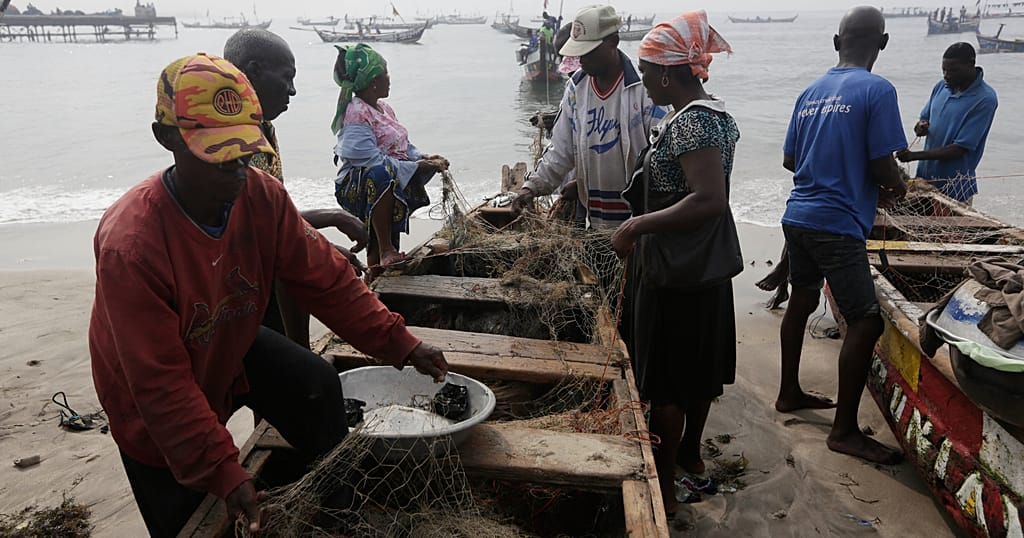
Ghana’s aquatic ecosystems are facing an unprecedented crisis as several native fish species teeter on the brink of extinction. Conservationists, researchers, and environmental advocates are now rallying to protect these vital marine resources, which play a crucial role in the country’s biodiversity and food security. However, habitat destruction, overfishing, pollution, and climate change pose severe threats to these delicate ecosystems. This article explores the urgent conservation efforts underway to safeguard Ghana’s endangered freshwater fish populations, the challenges they face, and the potential long-term impacts of inaction.
The Plight of Ghana’s Endangered Fish Species
Ghana’s freshwater bodies, including rivers, lakes, and wetlands, are home to a diverse array of fish species, many of which are unique to the region. Among the most critically endangered are the Ghanaian catfish (Clarias ghanensis), the African lungfish (Protopterus annectens), and the Ghanaian mudfish (Synodontis nigriventris). These species are not only ecologically significant but also hold cultural and economic value for local communities that rely on them for sustenance and livelihoods.
Unfortunately, these species are now classified as vulnerable or endangered by the International Union for Conservation of Nature (IUCN). The Ghanaian catfish, for instance, has seen a dramatic decline due to habitat degradation and unsustainable fishing practices. Similarly, the African lungfish, known for its ability to survive droughts by burrowing into mud, is facing threats from water pollution and the destruction of its breeding grounds.
Key Threats to Ghana’s Freshwater Fish Populations
Several interconnected factors are accelerating the decline of these fish species:
-
Habitat Destruction
The rapid expansion of agriculture, urbanization, and industrial activities has led to the encroachment on wetlands and riverbanks. Deforestation along riverbanks destabilizes soil, leading to erosion and sediment buildup, which smothers fish habitats. Additionally, the construction of dams and water diversion projects disrupts natural fish migration routes, particularly for species like the lungfish, which rely on seasonal flooding for reproduction. -
Overfishing and Illegal Trade
Ghana’s fishing industry, though vital for food security, has become unsustainable due to excessive extraction methods. Artisanal fishermen often use gill nets, dynamite fishing, and poisonous chemicals, which not only deplete fish stocks but also harm non-target species. The illegal trade of rare fish species, particularly for the aquarium trade, further exacerbates the problem. The Ghanaian mudfish, for example, is sometimes smuggled across borders due to its high demand in international markets. -
Water Pollution
Industrial effluents, agricultural runoff (containing pesticides and fertilizers), and untreated sewage are poisoning Ghana’s freshwater systems. The Volta Lake, one of the country’s largest reservoirs, has been severely affected by pollution from mining activities and agricultural drainage, leading to oxygen depletion and fish kills. Heavy metals from gold mining operations, in particular, have been linked to the decline of certain fish populations. -
Climate Change and Droughts
Rising temperatures and erratic rainfall patterns are altering the hydrological cycles in Ghana. Prolonged droughts reduce water levels in rivers and lakes, forcing fish into smaller, isolated pools where they face higher risks of predation and disease. The African lungfish, which depends on seasonal flooding for breeding, is particularly vulnerable to these changes. -
Invasive Species
The introduction of non-native fish species, such as the Nile perch (Lates niloticus), has disrupted local ecosystems. While some invasive species are introduced for commercial fishing, they often outcompete native fish for food and space, leading to a decline in biodiversity.
Conservation Efforts Underway
Despite these challenges, Ghanaian and international conservationists are implementing targeted strategies to protect endangered fish species:
-
Establishment of Protected Areas
Efforts are underway to designate critical fish habitats as protected areas under national and international conservation frameworks. The Bia National Park and Kakum National Park have been identified as key sites for preserving freshwater biodiversity. Additionally, community-led conservation initiatives are being promoted to ensure local stewardship of these ecosystems. -
Sustainable Fishing Practices
The Ghanaian government, in collaboration with NGOs like WWF-Ghana and BirdLife International, is promoting selective fishing methods and enforcing stricter regulations on gill net usage. The Fisheries Commission has introduced fishing bans during spawning seasons to allow fish populations to recover. Community-based fisheries management programs are also being expanded to empower local fishermen in sustainable resource management. -
Habitat Restoration Projects
Several organizations are leading riverbank reforestation and wetland restoration initiatives to mitigate erosion and improve water quality. For instance, the Volta River Basin Authority has partnered with environmental groups to plant native vegetation along degraded riverbanks, which helps stabilize soil and provide shade for fish. Additionally, artificial fish spawning grounds are being constructed in key areas to support declining populations. -
Public Awareness and Education
Raising awareness about the importance of freshwater biodiversity is a cornerstone of conservation efforts. Schools, community leaders, and fishermen are being educated on the ecological roles of native fish species, the dangers of illegal fishing, and the benefits of sustainable practices. Workshops and training sessions are regularly organized to promote eco-friendly fishing techniques and report illegal activities. -
Research and Monitoring
Scientists from institutions like the University of Ghana’s Department of Fisheries and Aquatic Sciences and CSIR-Water Research Institute are conducting population surveys and genetic studies to assess the status of endangered species. Advanced technologies, such as acoustic telemetry, are being used to track fish movements and identify critical habitats. This data informs policy decisions and helps prioritize conservation efforts. -
International Collaboration
Ghana is working with global conservation organizations to strengthen its biodiversity protection frameworks. The country has ratified the African Union’s Convention on the Conservation of Nature and Natural Resources, which includes provisions for protecting endangered aquatic species. Additionally, partnerships with IUCN and The Nature Conservancy are facilitating knowledge exchange and funding for conservation projects.
The Role of Communities in Conservation
Local communities play a pivotal role in the success of these conservation efforts. Many fishermen in Ghana have traditionally relied on fishing for income, but unsustainable practices have led to economic instability. To address this, alternative livelihood programs are being introduced, such as:
– Ecotourism initiatives that promote responsible wildlife viewing in protected areas.
– Aquaculture training to help communities raise fish sustainably in controlled environments.
– Non-fishing income opportunities, such as craft-making and agroforestry, to reduce dependence on wild fish stocks.
Community-led monitoring programs, where local fishermen act as “eco-guards,” have also proven effective in deterring illegal fishing and reporting environmental threats.
Challenges and Future Outlook
Despite progress, significant challenges remain. Enforcement of fishing regulations is often weak due to limited resources and corruption. Additionally, climate change continues to pose an existential threat, with rising temperatures and unpredictable rainfall patterns making it difficult to predict fish behavior and habitat needs.
However, experts remain optimistic. With stronger policy enforcement, increased funding for conservation, and greater community involvement, Ghana has the potential to reverse the decline of its endangered fish species. The National Biodiversity Strategy and Action Plan (NBSAP) outlines a clear roadmap for protecting aquatic ecosystems, and if fully implemented, could ensure a sustainable future for Ghana’s freshwater biodiversity.
Conclusion
Ghana’s endangered fish species are not just biological entities—they are the lifeblood of the country’s ecosystems, supporting food chains, maintaining water quality, and providing livelihoods for millions. The conservation efforts currently underway represent a critical step in preserving these species for future generations. However, sustained commitment from governments, NGOs, scientists, and communities will be essential to overcoming the challenges ahead. By adopting sustainable practices, enforcing strict regulations, and investing in research and education, Ghana can protect its aquatic heritage and ensure a balanced, thriving environment for years to come.