
Ghana’s entertainment landscape has once again proven its ability to captivate audiences with a mix of raw emotion, industry intrigue, and unexpected revelations. Between March 9 and March 13, the nation’s stars and behind-the-scenes figures made headlines for reasons ranging from financial struggles and family disputes to bold political aspirations and personal revelations. Here’s a deep dive into the five most talked-about stories that defined the week, offering a glimpse into the complexities of Ghana’s vibrant showbiz ecosystem.
1. The Financial Sacrifices Behind Ebony Reigns’ Rise: Ricky Nana Agyemang’s Unspoken Struggles
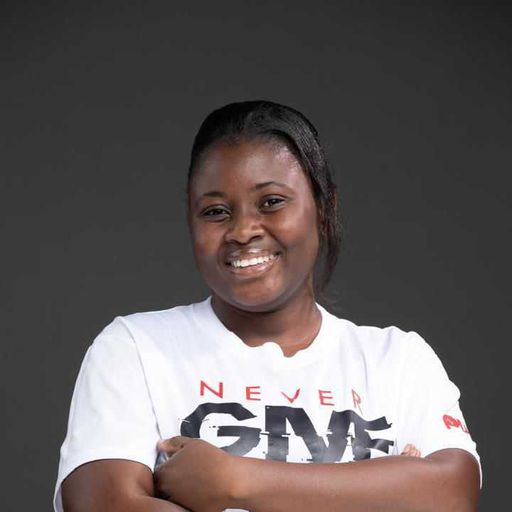
RuffTown Records boss Ricky Nana Agyemang has opened up about the financial burdens he endured while nurturing the late highlife-pop sensation Ebony Reigns during her early career. In a candid interview, Agyemang revealed that he took out multiple personal loans to fund Ebony’s promotions, including album releases and live performances, during a time when her label was still finding its footing.
The financial strain was so severe that Agyemang admitted he risked legal consequences had another artist under his label not emerged to offset the losses. Years after Ebony’s untimely death in 2015, the music executive remains deep in debt, a testament to the selfless sacrifices often made in the shadows of Ghana’s entertainment industry. His disclosure has reignited conversations about the hidden costs of mentorship in music and the need for greater financial transparency in the sector.
2. Daddy Lumba’s Family Drama: The Fall of Victor Kofi Owusu Boahen as Family Head
The legacy of Daddy Lumba, Ghana’s legendary highlife musician, has been further clouded by a family feud that culminated in the removal of Victor Kofi Owusu Boahen from his role as the family’s head. The decision, announced after months of disputes over the organization of Lumba’s funeral, has sent shockwaves through Ghana’s music community and beyond.
Sources close to the family revealed that Boahen’s leadership was questioned due to alleged mismanagement of the late musician’s estate and public disagreements with other relatives. The fallout has not only tarnished Boahen’s reputation but has also sparked broader discussions about family succession in Ghana’s entertainment fraternity and the pressure to maintain legacy amid personal conflicts.
3. Shatta Wale vs. EOCO: The Stolen Car Saga and Its Fallout
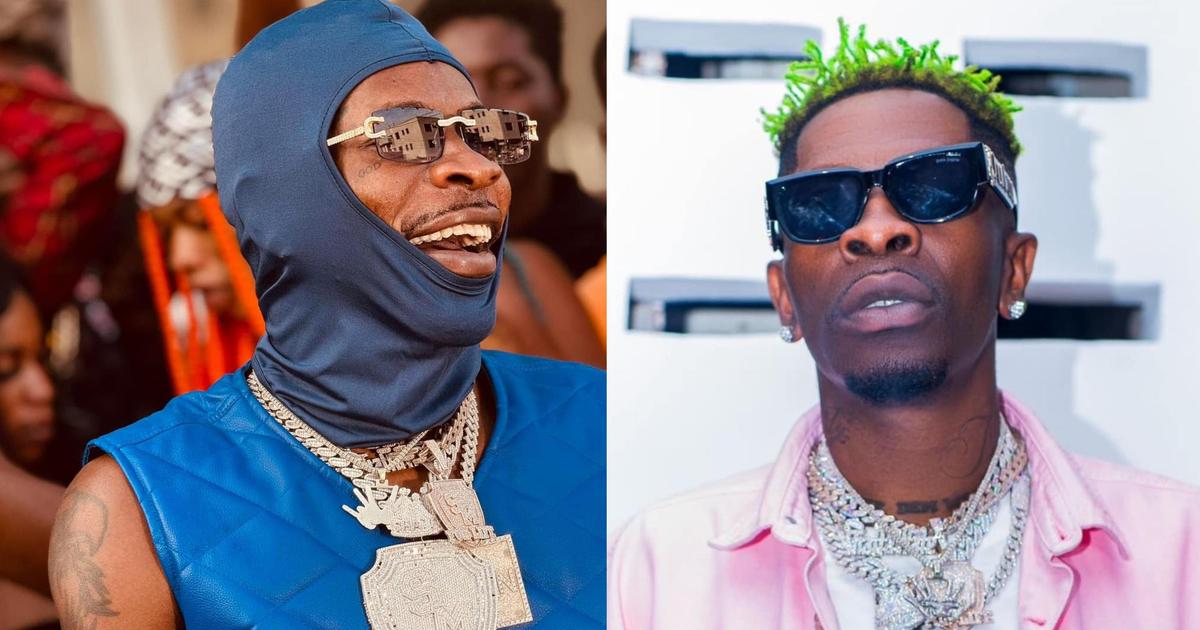
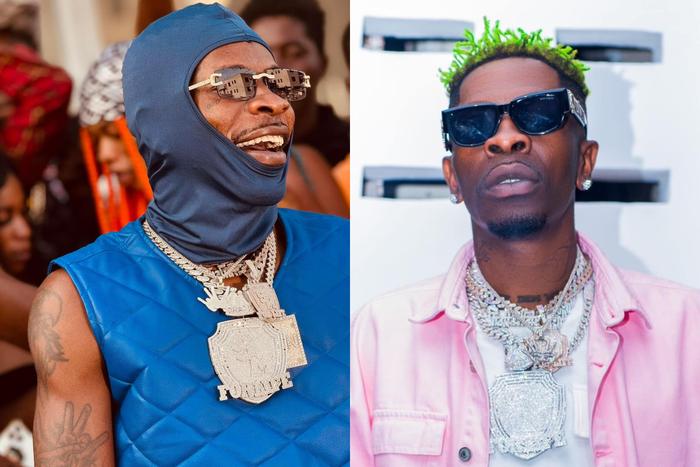
Dancehall superstar Shatta Wale has publicly called out the Economic and Organised Crime Office (EOCO) for what he describes as a reckless handling of allegations linking him to a stolen luxury vehicle. In a scathing statement, Shatta claimed the unverified accusations damaged his professional image and cost him multiple business opportunities, including high-profile endorsements.
The musician insisted he was unaware of any criminal involvement with the vehicle and accused EOCO of failing to conduct due diligence before making public statements. His demand for an official apology has escalated into a high-profile legal and reputational battle, raising questions about transparency in law enforcement and the impact of misinformation on celebrities.
4. Shatta Wale’s Political Ambitions: From Dancehall to Parliament?

In a surprising turn of events, Shatta Wale has hinted at a potential foray into Ghanaian politics, declaring during a recent radio interview that he would consider contesting a parliamentary seat if encouraged by the public. The dancehall icon emphasized that his motivation would be purely service-oriented, rejecting accusations of political ambition for personal gain.
His comments have sparked intense debate among fans and political analysts, who are divided on whether celebrities like Shatta—known for their mass appeal and grassroots connections—could bring fresh perspectives to Ghana’s political landscape. While some see it as a bold move to amplify public voices, others caution against unrealistic expectations given the complexities of Ghana’s political system.
5. LilWin’s DNA Revelation: A Father’s Journey of Acceptance

Comedian and filmmaker Kwadwo Nkansah, popularly known as LilWin, has shaken his fanbase with a shocking personal revelation: a DNA test confirmed he is not the biological father of a child he raised for nearly a decade. The revelation came after years of unresolved doubts, with LilWin admitting he had suspected the truth but chose to avoid confrontation until the test was conducted.
In a moving interview, the actor shared that he did not react with anger upon learning the news, instead urging other men in similar situations to stay calm and avoid emotional outbursts. His openness about the experience has sparked conversations about paternity, family dynamics, and the emotional toll of such discoveries, offering a rare glimpse into the personal struggles faced by celebrities behind the scenes.
The Bigger Picture: What These Stories Tell Us About Ghana’s Entertainment Industry

This week’s headlines underscore the duality of Ghana’s entertainment sector—a space where celebrity, ambition, and personal drama collide in ways that often blur the lines between public persona and private struggles. From financial exploitation and family betrayals to political aspirations and biological revelations, the stories reflect the raw, unfiltered nature of the industry.
As fans continue to engage with these narratives, one thing is clear: Ghana’s entertainment scene is evolving, with stars increasingly using their platforms to challenge norms, demand accountability, and redefine success beyond commercial success. Whether through political activism, financial transparency, or personal vulnerability, the industry’s most influential figures are setting new benchmarks for what it means to be a responsible celebrity in modern Ghana.
With more controversies, breakthroughs, and unexpected twists on the horizon, one thing remains certain—the pulse of Ghana’s entertainment industry is stronger than ever, and the best is yet to come.