


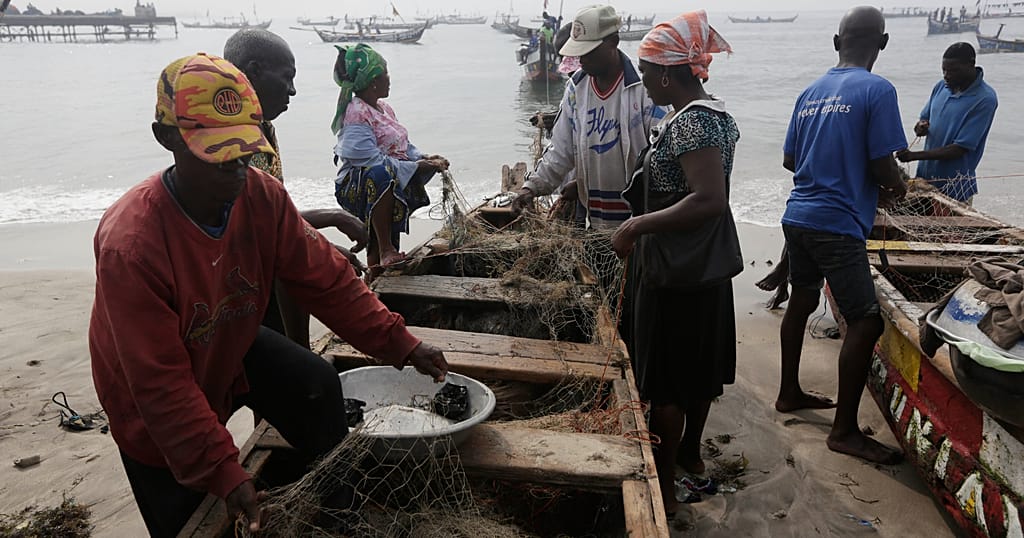
Ghana’s aquatic ecosystems are facing an unprecedented crisis, with several native fish species teetering on the brink of extinction due to habitat destruction, overfishing, pollution, and climate change. Conservationists, researchers, and government agencies are now rallying to protect these vital species before they vanish forever, underscoring the urgent need for sustainable environmental policies and community engagement.
The Plight of Ghana’s Endangered Fish Species
Ghana’s freshwater bodies, including rivers, lakes, and wetlands, are home to a diverse array of fish species, some of which are found nowhere else in the world. However, rapid industrialization, agricultural expansion, and unregulated fishing practices have severely depleted these populations. Among the most critically endangered species are:
- The African Lungfish (Protopterus annectens) – A prehistoric-looking fish that can survive droughts by burrowing into mud and estivating, this species is now threatened by siltation and water pollution in rivers like the Volta and Ofin.
- The Giant Catfish (Clarias gariepinus) – Though commercially important, overfishing and habitat destruction in the Volta Lake and other major waterways have reduced its numbers.
- The African Freshwater Crayfish (Potamonautes spp.) – These crustaceans, vital for ecosystem balance, are declining due to pollution and the introduction of invasive species.
- The African Butterflyfish (Pantodon buchholzi) – A unique species known for its ability to “fly” short distances above water, it is now rare in many Ghanaian water bodies due to habitat loss.
Root Causes of the Decline
The decline of these species stems from multiple interconnected factors:
-
Habitat Destruction
The expansion of agriculture, mining, and urbanization has led to deforestation along riverbanks, increasing erosion and siltation. Wetlands, which act as natural filters for water, are being drained for farming and infrastructure projects, further degrading aquatic habitats. -
Overfishing and Unsustainable Practices
Traditional fishing methods, such as the use of illegal gillnets and dynamite fishing, have devastated fish populations. The Volta Lake, once teeming with biodiversity, now struggles to support its former fish stocks due to excessive extraction. -
Water Pollution
Industrial effluents, agricultural runoff containing pesticides and fertilizers, and untreated sewage from urban areas have turned once-clear rivers into toxic environments. The Oda River, for instance, has seen a dramatic decline in fish populations due to heavy metal contamination from mining activities. -
Climate Change and Droughts
Erratic rainfall patterns and prolonged droughts have reduced water levels in key rivers, forcing fish into smaller, isolated pools where they face higher predation and competition for resources. -
Invasive Species
The introduction of non-native fish species, such as the Nile perch (Lates niloticus), has disrupted local ecosystems by outcompeting indigenous species for food and space.
Conservation Efforts Underway
Despite these challenges, Ghanaian conservationists, scientists, and government bodies are implementing strategies to protect endangered fish species:
-
Establishment of Protected Areas
The government has designated certain riverine zones and wetlands as protected areas to restrict human activity and allow natural recovery. For example, the Bia River Basin in the Eastern Region has been partially protected to preserve its unique fish biodiversity. -
Community-Based Fisheries Management
Local fishing communities are being trained in sustainable fishing techniques, such as the use of selective nets and seasonal fishing bans. Organizations like Fish Action Ghana and WWF-Ghana are working with fishermen to enforce these practices and monitor fish stocks. -
Habitat Restoration Projects
Efforts are underway to replant vegetation along riverbanks to reduce erosion and improve water quality. In the Volta Lake, initiatives are being implemented to control invasive water hyacinth, which smothers native fish habitats. -
Research and Monitoring
Universities and research institutions, including the University of Ghana’s Centre for Aquatic Research and Training, are conducting studies on endangered fish populations. DNA barcoding and tagging technologies are being used to track fish movements and assess population health. -
Legislation and Enforcement
The Fisheries Commission has strengthened regulations against illegal fishing and pollution. Penalties for dynamite fishing and the use of prohibited nets have been increased, though enforcement remains a challenge in remote areas. -
Public Awareness Campaigns
Schools, NGOs, and media outlets are educating the public about the importance of freshwater ecosystems. Campaigns highlight the role of fish in maintaining ecological balance and the economic value of sustainable fisheries.
Challenges and Future Prospects
While progress is being made, significant hurdles remain:
- Funding Constraints: Many conservation projects lack adequate funding, limiting their scale and effectiveness.
- Corruption and Weak Enforcement: Illegal fishing and pollution continue due to lax law enforcement and corruption in some regions.
- Climate Resilience: Long-term solutions must address climate change, as rising temperatures and erratic rainfall will continue to stress aquatic ecosystems.
However, there is optimism. Collaborative efforts between government agencies, NGOs, and international partners—such as the African Development Bank and UNEP—are providing much-needed support. Innovative solutions, such as artificial fish breeding programs and wetland rehabilitation, offer hope for the recovery of endangered species.
The Role of Every Ghanaian
The survival of Ghana’s endangered fish species is not solely the responsibility of conservationists and policymakers—every citizen can play a part:
- Reduce Plastic and Chemical Pollution: Proper waste disposal and avoiding the use of harmful chemicals in agriculture can significantly improve water quality.
- Support Sustainable Fisheries: Choosing fish from certified sustainable sources and avoiding overfished species helps protect aquatic ecosystems.
- Participate in Clean-Up Drives: Community-led initiatives to remove litter from rivers and wetlands can restore habitats.
- Advocate for Stronger Laws: Public pressure can encourage governments to enforce environmental protections more rigorously.
Conclusion
Ghana’s freshwater fish are more than just a source of food—they are a cornerstone of the nation’s biodiversity and ecological health. The fight to save these species is a race against time, but with concerted effort, public awareness, and sustainable policies, it is possible to reverse their decline. The preservation of Ghana’s aquatic heritage is not just an environmental imperative; it is a legacy for future generations to inherit and protect.