


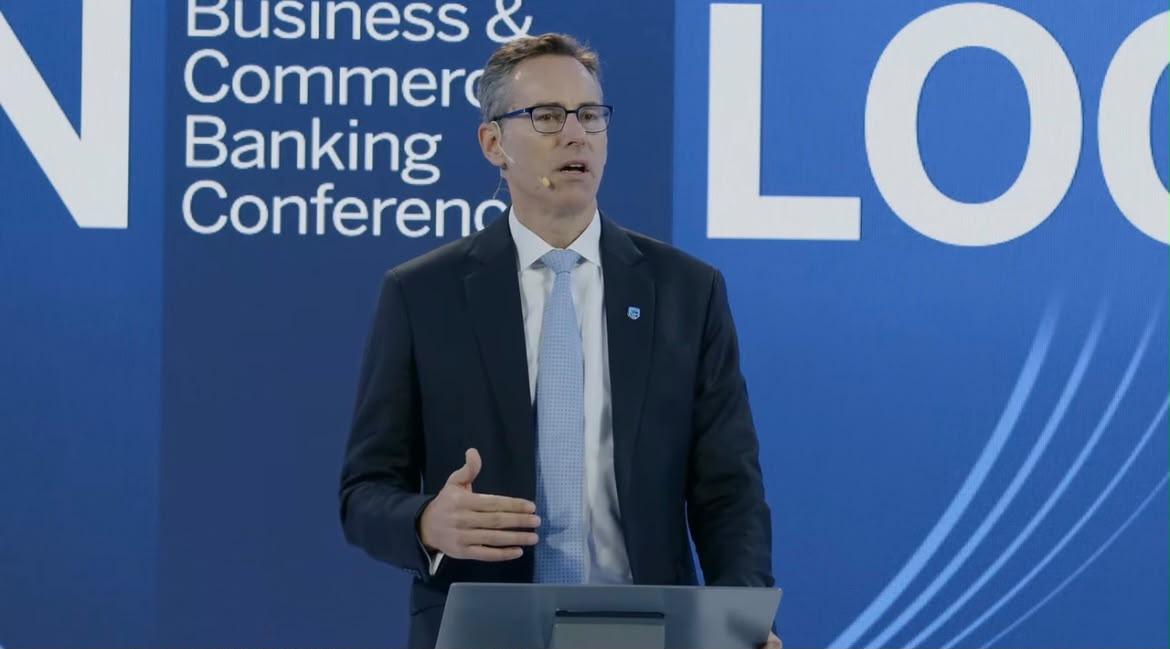
Africa’s economic landscape is undergoing a transformative shift, with pension assets exceeding $3 trillion and intra-African trade reaching a record $220 billion in 2025. These figures, coupled with a projected 4% economic growth rate for 2026, underscore the continent’s growing self-reliance and strategic economic positioning. At the third edition of the Africa Unlocked Conference in Cape Town, South Africa, industry leaders and financial experts gathered to discuss the continent’s evolving economic trajectory, highlighting key trends, challenges, and opportunities that define Africa’s future.
A New Era of Intra-African Trade and Economic Integration
The African Continental Free Trade Area (AfCFTA), now comprising 47 member states, stands as the world’s largest free trade bloc by participant count. This monumental framework has catalyzed a 12% surge in intra-African trade in 2025, with total trade volumes hitting $220 billion. Bill Blackie, Chief Executive of Business and Commercial Banking at Standard Bank, emphasized the structural shift occurring within the continent’s economic dynamics.
“Today, our clients trade more with each other across Africa than with any single external partner—more than with China, the United States, or the European Union,” Blackie stated. “This reflects a fundamental change, not just a temporary trend. Africa is increasingly becoming its own engine of growth.”
The AfCFTA’s infrastructure pipeline—now deeper than ever—alongside commercially grounded energy transition ambitions, further solidifies Africa’s role as a self-sustaining economic powerhouse. Blackie noted that the continent’s 60% share of the world’s best solar resources and critical minerals essential for the global energy transition are beginning to translate into industrial and commercial advantages.
African Businesses Leading the Charge: Resilience and Scalability
Beyond macroeconomic indicators, the conference spotlighted African businesses that embody determination, innovation, and scalability. Blackie shared inspiring examples of enterprises that have thrived despite economic cycles, currency volatility, and infrastructure constraints.
1. Coast Cables: A Legacy of Regional Leadership
Founded in 1978 as a manufacturer of super-enamelled copper cables, Coast Cables has evolved into a regional powerhouse, supplying domestic and industrial power cables across East Africa. What sets this business apart, Blackie remarked, is its unwavering commitment to regional development.
“Through every challenge—whether it was economic downturns or infrastructure gaps—they kept building,” he said. “This is not just a success story; it’s a blueprint for what African businesses can achieve when they are built for Africa, by Africans.”
2. Hungry Lion: Rapid Expansion and Job Creation
Two years ago, Adrian Basson, founder of Hungry Lion, announced an ambitious goal: opening 100 new stores annually across Africa. Today, that vision has become reality. The fast-food chain now operates over 500 stores across nine countries, employing 10,000 people, and is on track to add 250 more stores in 2026, bringing the total to 750 by year-end.
Blackie described this as a textbook example of determined execution, demonstrating how African businesses, when designed for local consumers, can scale at an unprecedented pace.
3. Dangote Refinery: An Ecosystem of Opportunity
The Dangote Petroleum Refinery in Lagos, one of the world’s largest single-train refineries, exemplifies how African industrial projects create entire ecosystems of opportunity. Standard Bank’s support has been instrumental in empowering 300 businesses within the Dangote value chain, providing them with financial solutions, logistics, and supply chain support.
“This refinery is not just a single business—it’s a network of hundreds of suppliers, contractors, and logistics operators,” Blackie explained. “When we understand and support these networks, we help value move across borders, sectors, and stages of growth—allowing businesses to thrive from their earliest stages to global expansion.”
Renegotiating Global Trade Dynamics: Africa’s Shift from Raw Materials to Value Addition
While Africa remains a critical supplier of raw materials, the continent is now actively redefining its role in global trade. Blackie highlighted how African businesses are moving beyond commodity exports to become value-added partners in key industries.
One notable example is Sumseron Coffee, a Kenyan enterprise that has successfully supplying organically grown coffee to China. This shift reflects a broader trend where African producers are adding value at home before exporting, ensuring higher margins and deeper market integration.
Standard Bank’s 18-year partnership with the Industrial and Commercial Bank of China (ICBC) has been pivotal in facilitating this transition. Through this collaboration, the bank has enabled RMB 1.9 billion ($270 million) in transactions over the past three years, helping African businesses settle payments with Chinese suppliers more efficiently and access global capital pools.
Beyond currency facilitation, the bank’s Africa-China import and export solutions have directly benefited 720 clients, who imported world-class machinery and equipment worth 1.3 billion rand ($80 million), while 380 exporters secured multi-year contracts valued at 4 billion rand ($250 million).
“Trade isn’t just about movement—it’s about capability,” Blackie stated. “It’s about turning ambition into execution, ensuring that African businesses can compete globally while contributing to continental growth.”
The Role of Energy and Infrastructure in Africa’s Future
Africa’s energy and infrastructure sectors remain the foundation of economic development. With 60% of the world’s best solar resources and abundant critical minerals—such as cobalt, lithium, and manganese—Africa is positioned to lead the global energy transition.
Blackie emphasized that these natural endowments are not just assets—they are the bedrock of future industrialization. However, realizing this potential requires sustained investment in infrastructure, from power grids and transportation networks to digital connectivity.
Africa Unlocked 2026: The Theme of Continental Growth
This year’s Africa Unlocked Conference carried the theme: “Built in Africa: Amplifying Continental Growth.” The event served as a platform for dialogue on how African businesses, financial institutions, and governments can collaborate to accelerate economic diversification, trade integration, and sustainable development.
Blackie’s remarks underscored a clear message: Africa is no longer waiting for external partners to dictate its economic future. Instead, the continent is forging its own path, leveraging homegrown innovation, strategic trade partnerships, and resilient business ecosystems to drive prosperity.
As the conference concluded, one thing became abundantly clear: Africa’s economic story is being written by Africans—one business, one trade deal, and one infrastructure project at a time. The continent’s $3 trillion pension assets, $220 billion intra-African trade, and bold industrial ambitions are not just statistics—they are testaments to a new era of African economic sovereignty.