


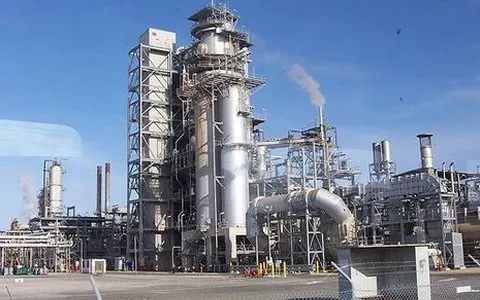
Ghana’s petroleum sector has recorded a significant financial milestone in the first half of 2026, with the Petroleum Revenue Management Fund (PRMF) closing the period with a US$1.64 billion surplus. This substantial growth underscores the country’s strategic investments in managing its oil revenues, ensuring long-term economic stability and sustainable development.
A Strong Financial Performance
The US$1.64 billion recorded in the first half of 2026 represents a notable increase compared to previous years, reflecting Ghana’s improved oil production and revenue management. The Petroleum Revenue Management Fund (PRMF), established to manage oil revenues transparently and efficiently, has played a pivotal role in this achievement.
Key Contributors to the Surplus
Several factors have contributed to this financial success:
-
Increased Oil Production – Ghana’s oil fields, particularly those operated by Ghana National Petroleum Corporation (GNPC) and international partners like Hess Corporation and Cosmos Energy, have seen a steady rise in output. The TEN (Tano Exploration and Production) and Jubilee oil fields remain critical contributors to the nation’s oil revenue.
-
Stable Oil Prices – Despite global market fluctuations, Ghana has benefited from relatively stable crude oil prices in the first half of 2026, allowing for higher revenue collection.
-
Efficient Revenue Management – The PRMF, overseen by the Bank of Ghana, has implemented robust financial controls, ensuring that oil revenues are allocated effectively to designated funds, including the Stabilization Fund and the Development Fund.
-
Government Policies & Investments – The Ghanaian government’s commitment to diversifying the economy and investing in infrastructure, education, and healthcare has helped optimize the use of petroleum funds.
Allocation of Funds
The US$1.64 billion surplus is expected to be distributed across several key areas:
- Stabilization Fund – This fund acts as a buffer against economic shocks, ensuring that Ghana can manage fiscal deficits during periods of low oil revenue.
- Development Fund – A significant portion will be directed toward infrastructure projects, including roads, energy, and digital connectivity, to boost economic growth.
- Social Investments – Funds will also be allocated to healthcare, education, and poverty alleviation programs, aligning with Ghana’s National Development Plan (NDP).
Economic Implications
The strong performance of the petroleum funds has broader economic implications for Ghana:
- Boosted Foreign Reserves – Increased oil revenues strengthen Ghana’s foreign exchange reserves, enhancing its ability to attract foreign investment.
- Job Creation – The oil sector continues to generate employment opportunities, both directly and indirectly, supporting Ghana’s labor market.
- Infrastructure Development – With more funds available, the government can accelerate critical infrastructure projects, improving living standards and business operations.
- Debt Management – A stable petroleum fund helps reduce reliance on external borrowing, improving Ghana’s debt-to-GDP ratio.
Challenges & Future Outlook
Despite this positive development, Ghana faces challenges in sustaining long-term growth:
- Volatility in Oil Prices – Global oil markets remain unpredictable, and fluctuations could impact future revenues.
- Infrastructure & Logistics – Improving oil transportation and refining capabilities will be essential to maximize revenue potential.
- Corruption & Transparency – Ensuring strict accountability in fund management remains crucial to maintaining public trust.
Looking ahead, the Bank of Ghana and the GNPC are expected to implement further reforms to enhance transparency, diversify revenue sources, and strengthen the petroleum sector’s resilience.
Conclusion
Ghana’s petroleum funds have achieved a US$1.64 billion surplus in the first half of 2026, marking a significant financial milestone. This success underscores the country’s progress in managing oil revenues while positioning itself for sustainable economic growth. With continued strategic investments and prudent financial management, Ghana is well on its way to leveraging its petroleum wealth for long-term prosperity.