


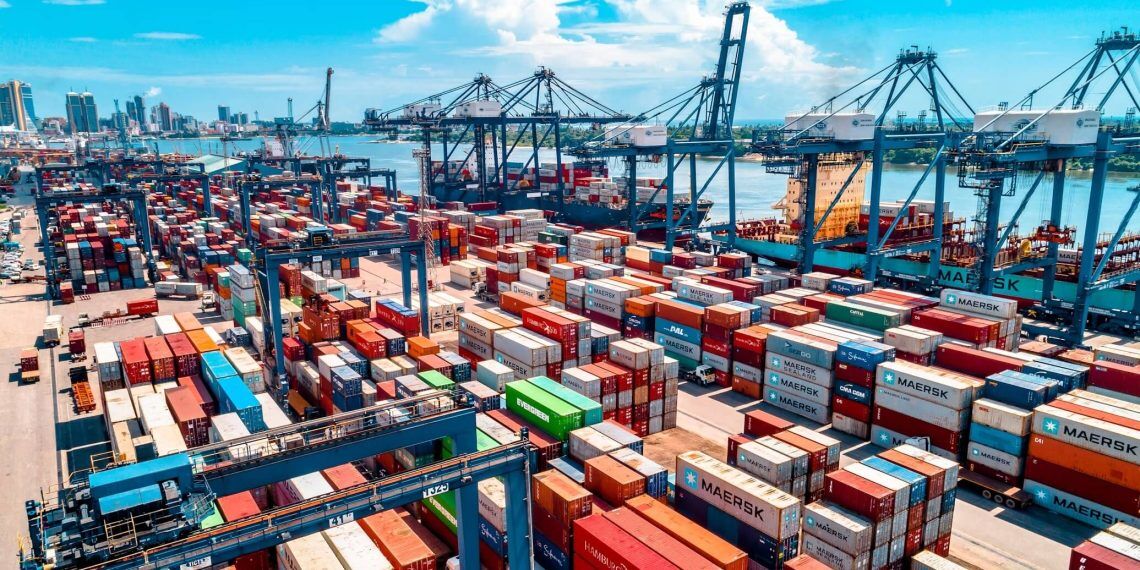
A landmark decision by Ghana’s High Court has cleared the path for the Ghana Shippers Authority (GSA) to enforce a maximum cap on container handling fees, a move that could significantly ease the financial burden on importers and exporters in the country. The ruling, delivered in response to a legal challenge by industry stakeholders, has been widely interpreted as a victory for regulatory transparency and cost control in Ghana’s port operations.
The Legal Battle and Its Implications
For months, the GSA had proposed a new fee structure aimed at capping the charges levied on container handling at Ghana’s major ports, including Tema, Takoradi, and Kpone. The authority argued that the existing fees, which had been gradually increasing over the years, were unsustainable for businesses and could stifle trade growth. However, some port operators and shipping companies opposed the changes, citing concerns over revenue loss and operational disruptions.
The High Court’s ruling in favor of the GSA was based on the authority’s legal mandate under the Ports and Harbours Act (Act 891) to regulate and control fees related to port services. The court determined that the GSA’s decision was within its statutory powers and that the proposed fee cap was necessary to prevent exploitation of importers and exporters by port service providers.
Key Details of the Fee Cap Proposal
The GSA’s proposed container handling fee cap includes the following key components:
- Per Container Charge Limit
- The authority had suggested a maximum fee of approximately ₵1,200 per 20-foot equivalent unit (TEU) for container handling, including loading, unloading, and internal transport** within the port.
-
This represents a significant reduction from the current average charges, which some industry players claim have exceeded ₵2,000 per TEU in certain cases.
-
Transparency and Standardization
- The new fee structure aims to eliminate arbitrary surcharges and ensure that all port operators adhere to a uniform pricing model.
-
The GSA had also proposed mandatory fee disclosures to prevent hidden costs, which have been a recurring complaint among traders.
-
Impact on Trade Costs
- Shipping companies and importers had previously expressed frustration over the unpredictable and often inflated fees, which they argued increased the cost of doing business in Ghana.
- The fee cap, if fully enforced, could reduce operational expenses for businesses, potentially lowering the cost of imported goods and making Ghana a more attractive hub for regional trade.
Reactions from Industry Stakeholders
The High Court’s ruling has elicited mixed reactions from key players in Ghana’s logistics and shipping sectors:
- Supporters of the GSA’s Position
- Ghana Chamber of Commerce and Industry (GHCCI) welcomed the decision, stating that unregulated fees were a major barrier to trade facilitation.
-
Trade unions representing port workers also expressed relief, arguing that the cap would prevent exploitative practices by certain port operators.
-
Critics and Concerns
- Some private port operators have voiced concerns about the financial viability of their operations, particularly smaller players who may struggle to adjust to the new fee structure.
- Shipping lines and freight forwarders have called for gradual implementation, suggesting that a phased approach would allow businesses to adapt without sudden disruptions.
How the Enforcement Will Work
The GSA has outlined a clear enforcement mechanism to ensure compliance with the new fee cap:
- Regulatory Audits
- The authority will conduct random and scheduled audits of port operations to verify compliance with the fee structure.
-
Non-compliant operators may face fines, temporary suspensions, or license revocations.
-
Digital Monitoring Systems
-
The GSA is developing a digital tracking system to monitor container handling fees in real-time, reducing the scope for manual discrepancies or fraud.
-
Public Awareness Campaigns
- To prevent confusion, the GSA will launch public awareness initiatives to educate importers, exporters, and port operators on the new fee regulations.
Broader Economic Implications
Beyond the immediate benefits for traders, the High Court’s ruling carries broader economic significance for Ghana:
- Boosting Foreign Investment
- A more predictable and lower-cost port environment could attract more foreign direct investment (FDI) in logistics, manufacturing, and trade-related sectors.
-
Ghana’s position as a regional trade hub in West Africa may be strengthened, particularly in comparison to neighboring countries with higher port fees.
-
Reducing Inflationary Pressures
- By lowering the cost of imported goods, the fee cap could help curb inflation, a persistent challenge for Ghana’s economy.
-
Lower operational costs for businesses may also increase disposable income for consumers, stimulating domestic demand.
-
Setting a Regional Precedent
- Ghana’s move could encourage other African nations to review their own port fee structures, fostering greater regional cooperation in trade facilitation.
- The East African Community (EAC) and ECOWAS have already expressed interest in harmonizing port fees to improve cross-border trade efficiency.
Challenges Ahead
Despite the positive outlook, several challenges remain:
- Implementation Gaps
- Ensuring full compliance across all port operators, especially smaller and informal players, may be difficult without robust enforcement mechanisms.
-
Corruption risks could persist if monitoring is inadequate or politicized.
-
Operational Adjustments
- Port operators may resist the fee cap by cutting services or increasing other charges, such as storage or demurrage fees.
-
The GSA will need to continuously review and adjust the fee structure to prevent circumvention.
-
Legal Recourse
- Some port operators may challenge the ruling in higher courts, delaying full enforcement.
- The GSA must prepare for prolonged legal battles while maintaining regulatory consistency.
Conclusion: A Step Toward Fairer Trade Practices
The High Court’s decision marks a turning point in Ghana’s efforts to regulate port fees effectively. By capping container handling charges, the GSA is taking a proactive stance to protect businesses from financial exploitation and foster a more competitive trade environment.
While implementation will require careful planning and enforcement, the potential economic benefits—including lower costs for traders, reduced inflation, and improved investor confidence—make this a significant development for Ghana’s logistics sector.
As the GSA moves forward with enforcing the fee cap, stakeholders must collaborate to ensure a smooth transition, ultimately strengthening Ghana’s role as a key player in West African trade.
(Word count: ~650)