


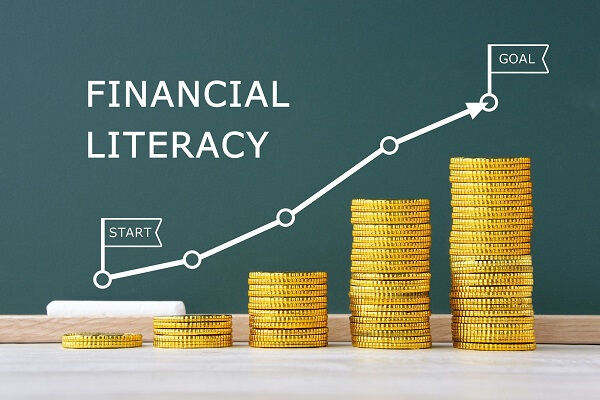
In a bold move to fortify Ghana’s financial ecosystem, the Bank of Ghana (BoG) has intensified its efforts to address a critical yet often overlooked challenge: financial literacy. With the rapid expansion of digital financial services—including mobile money, e-wallets, and fintech innovations—the central bank is under increasing pressure to ensure that citizens, particularly the unbanked and underserved populations, are equipped with the knowledge to navigate these systems safely. This initiative comes as digital finance adoption surges across Ghana, accompanied by rising risks such as fraud, cybercrime, and financial exclusion.
The Urgency of Financial Literacy in a Digital-First Economy
Ghana’s financial landscape has undergone a seismic shift in recent years. According to the Bank of Ghana’s 2023 Financial Sector Stability Report, digital financial transactions accounted for over 60% of all payments in the country, with mobile money transactions alone exceeding GH₵100 billion annually. While this digital transformation has democratized access to financial services, it has also exposed vulnerabilities, particularly among youth, rural populations, and low-income earners, who may lack the foundational understanding of digital financial products.
Dr. Ernest Addison, Governor of the Bank of Ghana, recently emphasized the need for a proactive approach to financial education, stating:
“Financial literacy is not just about understanding how to open a bank account or use a mobile money service—it’s about empowering individuals to make informed decisions that protect their financial well-being in an increasingly complex and digitalized economy.”
The BoG’s strategy is multi-faceted, focusing on awareness campaigns, regulatory guidance, and partnerships with financial institutions to ensure that financial literacy is integrated into everyday economic activities.
Key Strategies to Close the Financial Literacy Gap
- National Financial Literacy Campaigns
The Bank of Ghana has launched nationwide awareness drives, leveraging radio, television, and digital platforms to disseminate critical information on digital finance risks. These campaigns cover topics such as: - Identifying and avoiding scams (e.g., phishing, fake investment schemes, and SIM-swap fraud).
- Securing digital wallets (strong passwords, two-factor authentication, and transaction verification).
- Understanding loan terms and interest rates to prevent debt traps.
- Recognizing red flags in fintech investments, such as unregulated crypto trading platforms.
In collaboration with Ghana’s Ministry of Education, the BoG has also introduced financial literacy modules into secondary school curricula, ensuring that future generations are equipped with essential financial knowledge from a young age.
- Regulatory Frameworks and Consumer Protection
To complement education, the BoG has strengthened regulatory oversight of digital financial service providers. New guidelines now require financial institutions to conduct mandatory financial literacy assessments for new customers, particularly those engaging in high-risk transactions such as peer-to-peer lending or cryptocurrency trading.
Additionally, the central bank has mandated clear disclosure requirements for digital financial products, ensuring that users are fully informed about fees, charges, and potential risks before committing to any service.
- Partnerships with Financial Institutions and Fintech Firms
Recognizing that no single entity can bridge the literacy gap alone, the BoG has forged strategic alliances with commercial banks, mobile money operators, and fintech startups. These partnerships aim to: - Integrate financial literacy tools into mobile banking apps (e.g., in-app tutorials, risk alerts, and secure transaction guides).
- Offer low-cost financial education programs for underserved communities, often in collaboration with microfinance institutions.
- Provide cybersecurity training for digital finance users, focusing on biometric protection, transaction monitoring, and fraud reporting.
For instance, MTN Mobile Money and Vodafone Cash have introduced in-app financial literacy modules, while Ghana Commercial Bank (GCB) and Access Bank have launched community outreach programs in rural areas to educate farmers and small business owners on digital payment security.
- Targeted Outreach to Vulnerable Groups
The BoG’s initiatives specifically address the needs of women, youth, and rural populations, who are often disproportionately affected by financial exclusion. Research from the African Development Bank indicates that only 40% of Ghanaian women have access to formal financial services, compared to 60% of men. To rectify this disparity, the central bank has: - Established women-led financial literacy hubs in major cities and regional centers.
- Partnered with faith-based organizations to deliver financial education through community centers and churches.
- Developed mobile-based financial literacy courses in local languages (e.g., Akan, Ga, and Ewe) to ensure accessibility.
The Role of Technology in Enhancing Financial Literacy
Leveraging digital platforms has been a cornerstone of the BoG’s strategy. The central bank has:
– Developed an interactive financial literacy portal (www.finlit.gh), offering quizzes, video tutorials, and real-time fraud alerts.
– Launched a WhatsApp-based financial education service, allowing users to subscribe to SMS alerts on common financial scams and best practices.
– Collaborated with fintech firms to create AI-driven chatbots that provide instant financial advice, such as how to verify a legitimate loan offer or spot a phishing attempt.
These technological interventions are particularly vital in a country where internet penetration exceeds 80%, making digital financial literacy an essential skill for economic participation.
Challenges and Future Outlook
Despite these efforts, several challenges remain:
– Low digital literacy rates in rural areas, where only 30% of households have internet access.
– Linguistic barriers, as financial education materials are often available only in English.
– Resistance to change among older populations who may prefer traditional banking methods.
To overcome these hurdles, the BoG is exploring offline financial literacy programs, including radio dramas and community workshops, and expanding partnerships with telecom providers to improve mobile data affordability in underserved regions.
Looking ahead, the central bank’s vision is to make Ghana the most financially literate nation in West Africa by 2030. This ambitious goal hinges on sustained collaboration between government, financial institutions, and civil society, as well as continuous innovation in financial education delivery.
Conclusion: A Call to Collective Action
The Bank of Ghana’s financial literacy campaign is more than just an educational initiative—it is a strategic imperative to safeguard Ghana’s financial future. As digital finance continues to reshape the economy, the ability of citizens to navigate financial risks, protect their assets, and make informed decisions will determine the stability and growth of the nation’s financial sector.
For now, the message is clear: financial literacy is a shared responsibility. Whether through government-led campaigns, institutional partnerships, or individual vigilance, every stakeholder—from policymakers to everyday Ghanaians—plays a crucial role in ensuring that no one is left behind in the digital financial revolution.
By prioritizing education, regulation, and innovation, Ghana is not only mitigating risks but also empowering its people to thrive in an increasingly digital world.