

Ghana’s entertainment industry has never been short of drama, but the past week (9–13 March) delivered a whirlwind of revelations, explosive controversies, and unexpected personal announcements that left fans, critics, and industry insiders buzzing. From heart-wrenching financial sacrifices made by a legendary music executive to high-profile family disputes, legal entanglements, and even whispers of political ambition, the week’s headlines underscored the raw, unfiltered nature of Ghanaian showbiz. Here’s a deep dive into the five most compelling stories that dominated the week’s entertainment landscape.
1. The Hidden Cost of Stardom: Ricky Nana Agyemang Reveals the Financial Sacrifices Behind Ebony Reigns’ Rise
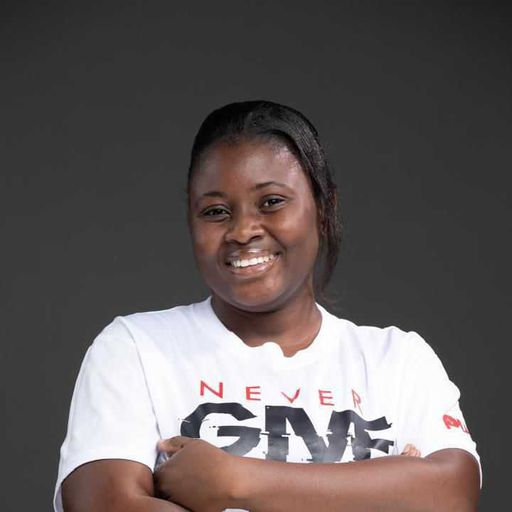
In a candid interview, Ricky Nana Agyemang, the visionary behind RuffTown Records, pulled back the curtain on the financial struggles he endured while nurturing the career of the late Ebony Reigns. The music mogul confessed that he took out multiple personal loans to fund Ebony’s early promotions, a decision that left him drowning in debt for years—even after her untimely death in 2015.
“I took loans from friends, family, and even strangers to ensure Ebony got the exposure she deserved,” Agyemang disclosed, adding that the financial burden was so crippling that he feared legal repercussions if another artist hadn’t quickly risen under his label. His admission not only humanized the often-mythologized figure of the music executive but also highlighted the hidden sacrifices artists and industry players make behind the scenes.
The revelation sparked conversations about industry ethics, financial transparency, and the moral obligations of those who shape careers. Many fans and industry peers have since called for greater support systems for emerging talents, urging labels to share the financial risks rather than placing the burden solely on executives.
2. Family Feuds and Legacy Battles: Daddy Lumba’s Heirs Strip Victor Kofi Owusu Boahen of His Role as Family Head
The highlife legend Daddy Lumba’s legacy continues to be marred by infighting, as his family has officially destooled Victor Kofi Owusu Boahen, a key figure in the organization of the late musician’s funeral. The decision follows months of bitter disputes over the funeral arrangements, with allegations of mismanagement, financial irregularities, and disrespect for the late artist’s wishes.
Boahen, who had been appointed as the family head, was accused of acting unilaterally in decisions that alienated other family members. The destoolment—an act of removing someone from a traditional leadership role—was announced during a family council meeting, with sources revealing that the move was met with mixed reactions, including anger from Boahen’s supporters and relief from those who felt his leadership had compromised the family’s unity.
This development has reignited debates about traditional leadership in the entertainment industry, the commercialization of funerals, and the pressure on families to preserve legacy amid personal and financial conflicts. Fans of Daddy Lumba, whose music remains a cornerstone of Ghanaian cultural heritage, are now left wondering how such internal strife will impact future tributes to the late icon.
3. Shatta Wale vs. EOCO: The Stolen Car Saga and Its Fallout on His Career
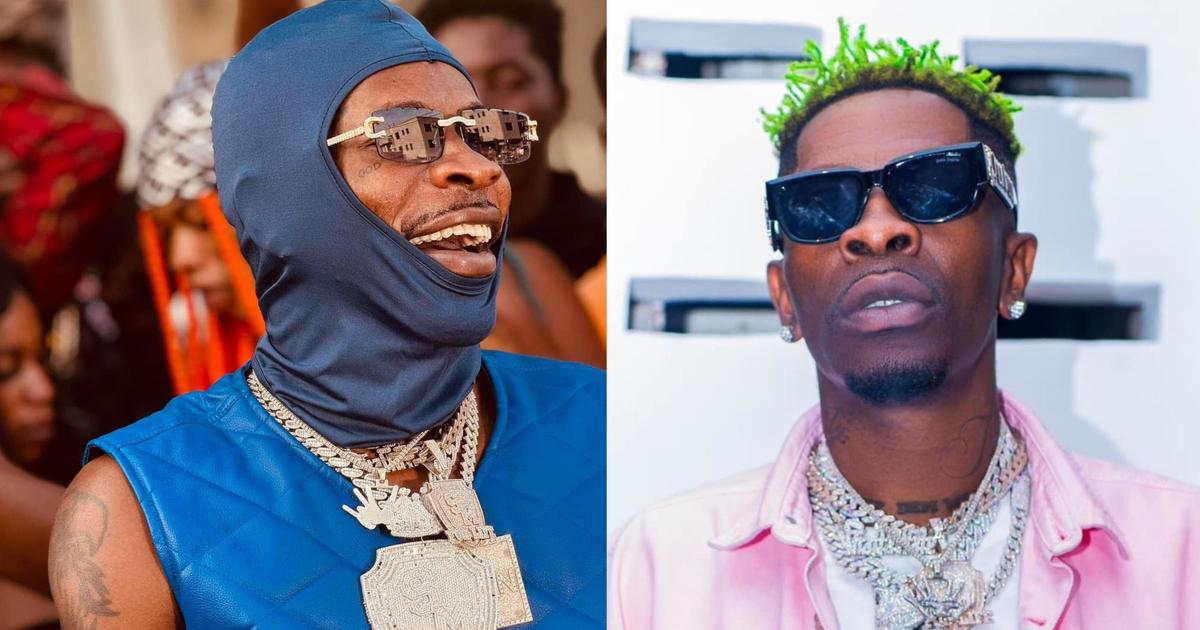
Dancehall superstar Shatta Wale has publicly demanded an apology from the Economic and Organised Crime Office (EOCO) over allegations linking him to a stolen luxury vehicle seized in a recent crackdown. The musician, whose career spans over a decade, insists the misinformation campaign has severely damaged his reputation, costing him potential business deals, endorsements, and fan trust.
“I had no knowledge that the vehicle was involved in any criminal activity,” Shatta told reporters, emphasizing that the media frenzy surrounding the case was unfair and sensationalized. He further alleged that the handling of the situation by EOCO lacked transparency, leaving him and his team in the dark about the true circumstances behind the vehicle’s seizure.
The controversy has reignited discussions about celebrity accountability, media responsibility, and the challenges of navigating legal scrutiny in an industry where perception often outweighs truth. While EOCO has yet to issue a formal response, Shatta’s demand for an apology underscores a growing trend of Ghanaian celebrities pushing back against baseless allegations, setting a precedent for how such cases should be managed in the future.
4. A Shocking Twist: Kwadwo Nkansah (LilWin) Reveals He Is Not the Biological Father of a Child He Raised for a Decade

In a surprising and deeply personal revelation, Kwadwo Nkansah, better known as LilWin, the beloved comic actor and filmmaker, announced that a DNA test confirmed he is not the biological father of a child he had raised for nearly ten years. The news, shared during an emotional interview, came as a shock to fans who had long admired his fatherly role in the child’s life.
“I suspected something was off for a while, but I never wanted to react out of anger,” LilWin confessed, admitting that the test was conducted after years of quiet contemplation. He urged other men in similar situations to stay calm and avoid emotional outbursts, emphasizing that parenthood is not defined by biology alone but by love and commitment.
The revelation has sparked empathy and introspection among fans, who now view LilWin’s journey through a new lens—one of resilience, self-awareness, and the complexities of family. His openness about the experience has also normalized discussions around paternity tests, encouraging more people to seek clarity without stigma.
5. Shatta Wale Eyes Politics: “I Want to Serve the People” – The Dancehall Star’s Bold Political Ambition

In a surprising turn of events, Shatta Wale dropped a bombshell during a radio interview, hinting that he is open to contesting a parliamentary seat if encouraged by his fans. “If the people push me to do it, I will consider it,” he stated, clarifying that his motivation would be public service rather than personal gain.
The announcement has ignited a fiery debate in Ghana’s entertainment and political circles. While some fans enthusiastically support the idea, viewing it as a fresh perspective in politics, others remain skeptical, questioning whether a celebrity’s influence could translate into effective governance. Political analysts have also weighed in, noting that celebrity politicians often face unique challenges, including media scrutiny, public expectations, and the risk of alienating traditional political bases.
Shatta’s potential entry into politics adds another layer to his already multifaceted career, blending music, activism, and now, political ambition. Whether this is a serious move or a strategic career pivot remains to be seen, but one thing is clear: Ghana’s entertainment industry is evolving beyond just music and movies, with celebrities increasingly using their platforms for social and political impact.
The Bigger Picture: What These Stories Tell Us About Ghana’s Entertainment Industry
The week’s headlines paint a complex portrait of Ghana’s entertainment sector—one that is dynamic, emotionally charged, and deeply interconnected with the nation’s social and political fabric. Here are some key takeaways:
- The Human Side of Stardom: Stories like Ricky Nana Agyemang’s financial struggles remind us that success in entertainment often comes with unseen sacrifices, from financial risks to emotional tolls.
- Family and Legacy: The Daddy Lumba feud highlights how traditional structures and modern ambitions clash, often leading to public fallouts that overshadow artistic legacies.
- Celebrity Accountability vs. Media Sensationalism: Cases like Shatta Wale’s EOCO controversy raise questions about how quickly reputations can be tarnished and the role of institutions in handling celebrity cases.
- Personal Truths and Public Perception: LilWin’s DNA revelation challenges the myth of the “perfect celebrity father,” showing that imperfections are part of the human experience.
- Entertainment Meets Politics: Shatta Wale’s political musings signal a new era where Ghanaian celebrities are not just entertainers but potential change-makers.
What’s Next?
As the dust settles on these stories, fans and industry watchers can expect more twists, more revelations, and possibly even legal battles in the coming weeks. The Daddy Lumba family feud may escalate into a public court battle, while Shatta Wale’s political ambitions could either fizzle out or gain serious momentum.
One thing is certain: Ghana’s entertainment industry is far from boring, and the unpredictability of its stars continues to keep the nation engaged. Whether it’s financial secrets, family dramas, or political aspirations, the stories unfolding today will shape the narrative of Ghanaian showbiz for years to come.

© 2026 GhanaNews.co.uk. All rights reserved.