


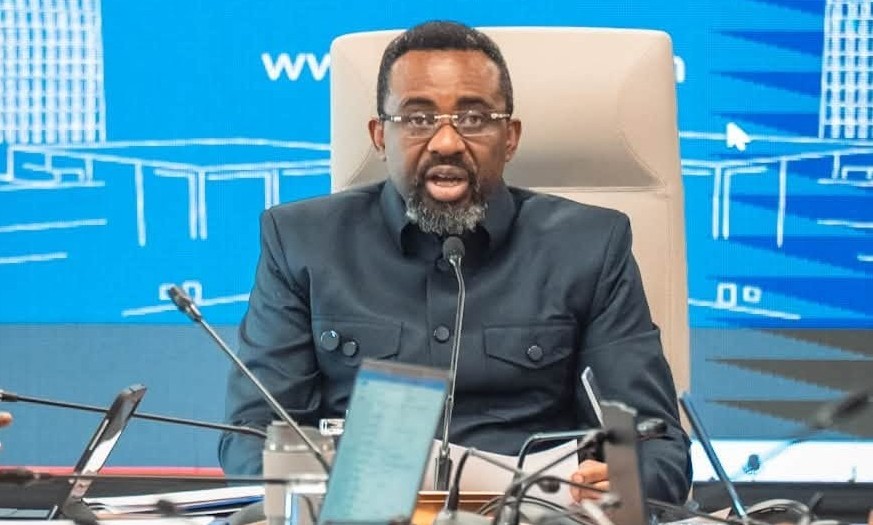
The Bank of Ghana (BoG) has once again held its monetary policy rate (MPR) at 14%, marking the second consecutive decision this year to preserve stability amid escalating global economic uncertainties. The Monetary Policy Committee (MPC), in its 131st regular meeting, unanimously voted to retain the benchmark rate, citing persistent risks to inflation and economic growth while acknowledging Ghana’s improving domestic macroeconomic indicators.
Global Pressures and Domestic Considerations
Dr. Johnson Asiama, Governor of the Bank of Ghana, emphasized that the decision was driven by heightened global volatility, particularly the renewed conflict in the Middle East, which has disrupted global trade, destabilized energy markets, and raised concerns over economic growth projections. The Governor noted that several major central banks have paused or reversed interest rate cuts due to inflationary pressures stemming from geopolitical tensions, warning that further escalation could tighten global financial conditions and negatively impact emerging economies—including Ghana—through trade and financial channels.
Despite these challenges, the MPC highlighted domestic economic resilience, with strong first-quarter GDP growth and sustained economic activity. The Bank’s Composite Index of Economic Activity (CIEA) indicated improved business and consumer confidence, supported by an easing credit environment. Private sector credit growth has surged significantly compared to the same period last year, a trend expected to further stimulate economic expansion in the coming months.
Inflation Trends and Policy Outlook
On inflation, the Governor reported that headline inflation is gradually moving toward the lower end of the Bank’s medium-term target band, primarily due to base effects from previous year-on-year comparisons. However, he cautioned that upward pressures remain, particularly from potential increases in utility tariffs and fluctuations in global crude oil prices, exacerbated by ongoing Middle East tensions.
The BoG’s July inflation forecast remains largely unchanged from previous quarters, with expectations that inflation will gradually return to the target band over the medium term. To mitigate risks, the MPC stressed the importance of continued fiscal consolidation and an appropriately calibrated monetary policy stance, ensuring that inflationary pressures are managed without stifling economic growth.
Strengthening Economic Defenses
The Governor also highlighted improvements in Ghana’s trade balance and adequate international reserve buffers, which enhance the economy’s ability to absorb external shocks. These developments, combined with the unanimous decision to maintain the policy rate, signal a cautious but confident approach to navigating both global uncertainties and domestic economic opportunities.
While the BoG acknowledges the positive momentum in economic activity, the 14% MPR remains a critical tool to balance inflation control with growth support. The Committee’s assessment underscores the need for prudent monetary policy adjustments as global conditions evolve, ensuring Ghana’s economic stability in an increasingly volatile environment.
The decision reflects a deliberate strategy—neither overly aggressive nor overly accommodative—to safeguard Ghana’s economic trajectory while preparing for potential future disruptions. As the MPC continues to monitor developments, the 14% policy rate stands as a stabilizing anchor in uncertain times.