


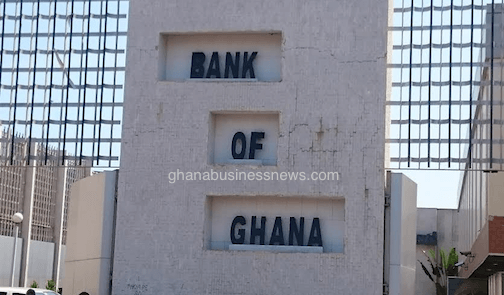
The Ghanaian cedi experienced a modest decline against the US dollar, British pound, and euro during the trading week ending July 9, 2026, according to the latest data released by the Bank of Ghana (BoG). While the depreciation was relatively minor, it marked a gradual weakening of the local currency over the four-day period, with the most significant fluctuations occurring between July 7 and July 8.
Key Exchange Rate Movements
The interbank exchange rate figures reveal a consistent trend of depreciation across major foreign currencies:
- US Dollar (USD)
- The buying rate for the US dollar increased from GH¢11.3838 on July 6 to GH¢11.4343 by July 9, indicating that more cedis were required to purchase one dollar by the end of the week.
-
Over the four-day period, the cedi lost approximately 0.44% against the dollar, reflecting a slight erosion in its value.
-
British Pound (GBP)
- The British pound showed a stronger performance relative to the cedi, with its buying rate rising from GH¢15.2042 at the start of the week to GH¢15.2796 on July 9.
-
This represented a 0.50% depreciation of the cedi against the pound, making it the most affected major currency during the period.
-
Euro (EUR)
- The euro exhibited mixed but slightly upward movements, with its buying rate moving from GH¢13.0218 on July 6 to GH¢13.0339 by July 9.
- The cedi depreciated by 0.09% against the euro, the smallest decline among the three major currencies tracked.
Market Stability Amid Gradual Decline
Despite the depreciation, the overall exchange rate movements remained within a controlled range, staying below 1% against all three currencies. This suggests that while the cedi is experiencing gradual pressure, the market has not yet faced significant volatility.
Factors Influencing the Cedi’s Performance
Several economic and market dynamics could be contributing to the cedi’s recent trends:
- Foreign Exchange Demand: Increased demand for foreign currency, possibly due to imports, remittances, or investor sentiment, may be exerting downward pressure on the cedi.
- Monetary Policy Decisions: Recent or upcoming interest rate adjustments by the Bank of Ghana could influence investor confidence and capital flows.
- Global Economic Conditions: Fluctuations in global commodity prices, particularly oil and gold, which Ghana exports, may impact foreign exchange reserves and demand.
- Market Speculation: Traders and investors may be adjusting positions based on short-term economic indicators, leading to temporary fluctuations.
Broader Implications for Ghana’s Economy
While the modest depreciation may not immediately signal a crisis, sustained pressure on the cedi could have long-term implications, including:
- Inflation Pressures: A weaker cedi may increase the cost of imported goods, potentially stoking inflationary trends.
- Investor Confidence: Persistent depreciation could deter foreign investors, affecting capital inflows and economic growth.
- Debt Servicing Challenges: If the trend continues, Ghana may face higher costs for external debt repayment, given that many loans are denominated in foreign currencies.
Bank of Ghana’s Role in Stabilizing the Cedi
The Bank of Ghana continues to monitor exchange rate movements and employs intervention strategies, including:
– Foreign Exchange Reserves Management: Ensuring adequate reserves to stabilize the cedi.
– Market Interventions: Buying or selling foreign currency to influence supply and demand dynamics.
– Policy Communication: Providing clarity on economic outlook to prevent speculative attacks.
Conclusion
The gradual depreciation of the cedi against major currencies remains a mild but notable trend in the current market. While the decline has stayed within manageable limits, sustained attention will be required to prevent further erosion of the currency’s value. Economic stakeholders, including policymakers, businesses, and investors, will need to assess underlying factors and implement measures to strengthen the cedi’s resilience in the coming weeks.
As Ghana continues to navigate economic reforms and global market conditions, the exchange rate dynamics will remain a critical indicator of the country’s financial stability and growth prospects.