


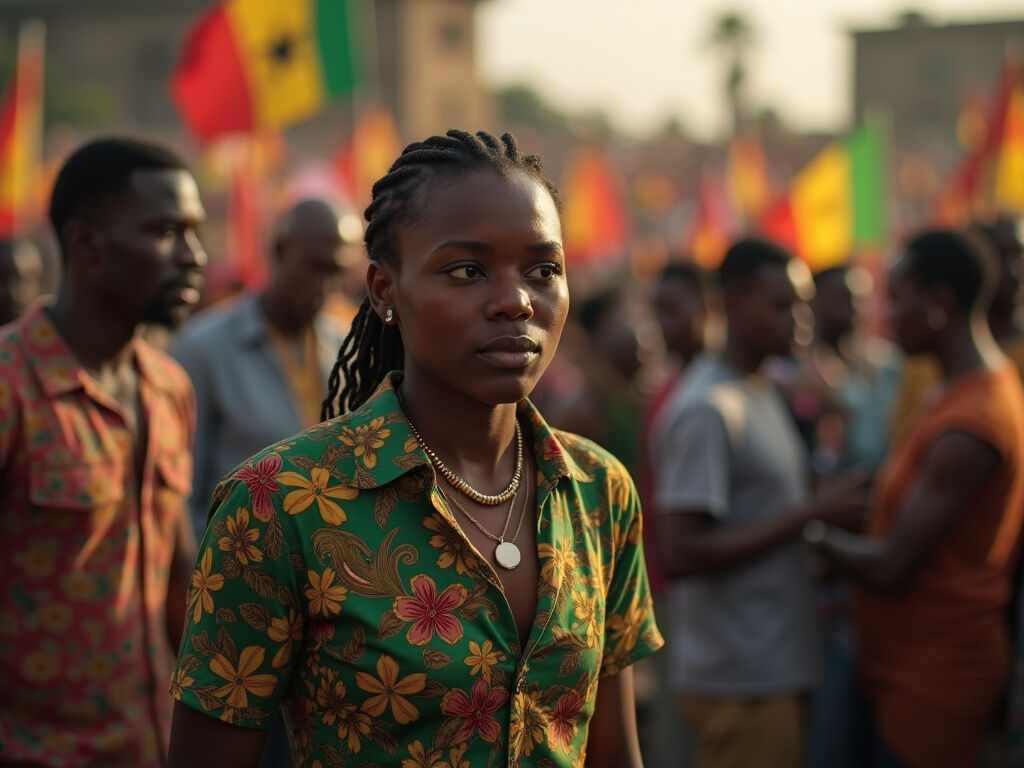
For nearly two decades, Ghana’s political landscape has been shaped by a deeply polarizing debate over LGBTQ+ rights, culminating in the introduction of the Human Sexual Rights and Family Values Bill. Initially presented as a unifying cause—backed by both ruling and opposition parties, major religious institutions, and a significant portion of the public—the legislation was widely anticipated to become one of Ghana’s most transformative social laws. However, as the bill nears finalization, it has instead emerged as a deeply divisive force, fracturing alliances within the political class and exposing the tensions between domestic moral imperatives and the realities of Ghana’s economic dependence on international partnerships.
A Bill Born of Consensus, Now Fractured by Compromise
Passed by Parliament on May 29, 2024, the revised version of the bill has sparked fierce backlash from its original architects, who accuse the government of watering down its intended severity through amendments that critics argue undermine its deterrent effect. The most contentious changes were introduced in Clause 9, which now includes exemptions for:
– Legal practitioners representing accused individuals
– Academics conducting scientific research
– Journalists reporting on LGBTQ+ issues
– Public health institutions and professionals
– Individuals making submissions before courts or tribunals
Opposition Member of Parliament John Ntim Fordjour, a co-sponsor of the original bill, described the revisions as a betrayal of the legislative intent, stating:
“The old bill had the teeth to bite. The version now before us introduces dangerous loopholes that could be exploited to circumvent its purpose. We spent years building consensus on a strong measure—only to see it weakened in ways that could render it ineffective.”
Fordjour and other supporters argue that these exemptions, though framed as technical, fundamentally alter the bill’s core objective by allowing advocacy and promotion of LGBTQ+ rights under the guise of professional or institutional duties. The original legislation, they contend, was meticulously crafted to close such gaps, ensuring no legal or social space remained for LGBTQ+ activism.
Government Under Siege: Balancing Domestic Politics and Global Realities
The ruling National Democratic Congress (NDC) now finds itself in an unprecedented predicament. Many of its lawmakers had previously championed the bill while in opposition, but governing a nation heavily reliant on international financial aid—particularly from the IMF, World Bank, and Western donors—has forced a shift in strategy.
Economist Daniel Amateye Anim-Prempeh of Policy Initiatives for Economic Development (PIED Africa) explains the government’s dilemma:
“The Mahama administration is no longer operating from an opposition stance but from a position of governing responsibility. They are acutely aware of Ghana’s economic vulnerabilities and the potential fallout from international sanctions, aid restrictions, or investor uncertainty. The amendments reflect an effort to mitigate reputational risks and ensure that the bill does not provoke a backlash from development partners.”
This tension became particularly evident when President John Mahama addressed the issue at Chatham House in London, signaling that the bill’s path to becoming law is far from guaranteed. Speaking candidly, Mahama acknowledged procedural hurdles:
“Once the president receives the bill, it goes through a rigorous review by legal counsel and the Attorney General. If substantial issues are raised—whether procedural or substantive—the president may return it to Parliament for further consideration.”
His remarks were interpreted by supporters of the original bill as a deliberate attempt to stall the legislation, while critics within the government saw them as a necessary precaution to avoid economic repercussions.
Parliamentary Confusion and Civil Society Caution
The rapid passage of the bill caught even Speaker of Parliament Alban Bagbin off guard. When asked about the speed of the vote, he admitted:
“I was surprised by the swiftness of the process. I had expected a more deliberate consideration, given the bill’s sensitivity.”
Meanwhile, civil society groups—some of which had previously lobbied for the legislation—are now urging extreme caution. Edem Senanu, leader of Advocates for Christ Ghana, called for a second review before finalization:
“There is no need to rush this bill. The fact that the government is taking a second look is a positive development. The president may need to return it to Parliament to ensure all concerns are addressed. Consensus is crucial.”
Senanu, while acknowledging the bill’s merits, expressed reservations about the exemptions clause, suggesting that further scrutiny was necessary to prevent unintended consequences.
The Broader Implications: A Test of Ghana’s Political Maturity
The controversy surrounding the bill underscores a fundamental challenge facing Ghana’s political system: how to reconcile deeply held cultural and religious values with the economic imperatives of global integration. While the majority of Ghanaians remain strongly opposed to LGBTQ+ rights, the government’s reluctance to push the bill through in its original form reflects an understanding of the potential costs—both financial and diplomatic.
For now, the fate of the Human Sexual Rights and Family Values Bill hangs in the balance. Whether it will be amended further, returned to Parliament, or shelved entirely remains uncertain. But one thing is clear: Ghana’s political landscape has been irrevocably altered, and the debate has exposed the fragility of consensus in a nation where tradition, religion, and economics are constantly at odds.
As the government navigates this delicate balance, one question looms large: Can Ghana find a middle path that satisfies both its domestic constituency and the global community without sacrificing its moral and cultural identity? The answer may define not just the future of LGBTQ+ rights in the country, but also the direction of Ghana’s political and economic trajectory in the years to come.