


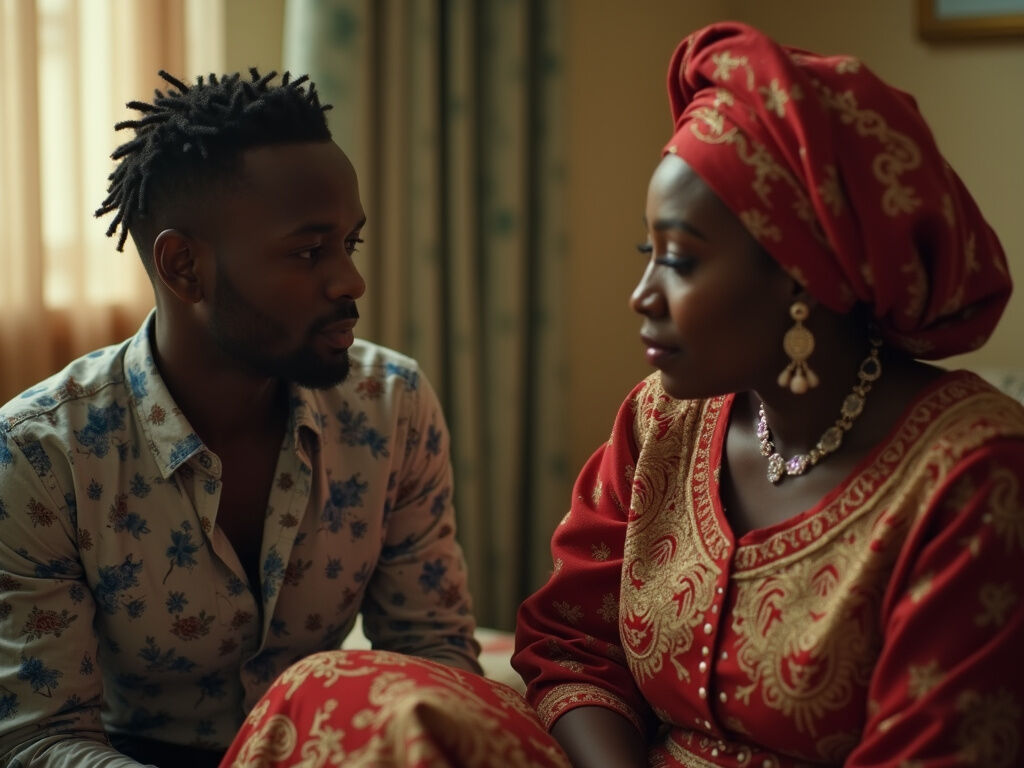
Nigeria’s vibrant entertainment industry continues to captivate global attention, not only through its music, film, and television productions but also through the candid conversations and personal reflections shared by its leading figures. In recent weeks, celebrities have dominated headlines with their thought-provoking opinions, ranging from marital advice to critiques of industry trends and warnings about digital fraud. These discussions have sparked widespread conversations among fans, industry insiders, and the general public, reflecting the evolving priorities and concerns of Nigeria’s entertainment elite.
Celebrity Relationships Under the Spotlight: Marriage, Parenthood, and Personal Choices
One of the most talked-about topics has been the advice given to Nigeria’s biggest stars regarding marriage, family, and personal commitments. Burna Boy’s mother, Bose Ogulu, made headlines during her son’s 35th birthday celebration on July 2, where she openly encouraged him to consider settling down and starting a family. In a video shared by Burna Boy’s associate, Richie 7, the Grammy-winning artist was expressing his birthday wishes when his mother interjected, urging him to include “a good wife and children” in his prayers.
While Burna Boy initially wished for “good health and prosperity,” Mrs. Ogulu’s intervention highlighted a common parental concern across many cultures: the pressure to balance career ambitions with personal responsibilities. Burna Boy has previously explained in interviews that his demanding music career leaves little room for marriage and parenthood. He has stated that he does not wish to have children outside of marriage or become an absent father, emphasizing the importance of commitment in raising a family. His stance reflects a broader industry trend where many artists prioritize their careers over personal life, often delaying or avoiding marriage altogether.
Similarly, Linus Williams Ifejirika, better known as B-Lord, a celebrated businessman and musician, addressed the issue of premature marriages during an appearance on the Adult Gist podcast. B-Lord, who has been married for several years, cautioned young Nigerians against rushing into marriage due to societal expectations or peer pressure. He emphasized that marriage should never be viewed as a life achievement but rather as a lifelong commitment that requires emotional and financial readiness.
“Marriage is not a race,” B-Lord stated. “You must be prepared to handle the ups and downs, and you must treat your partner with respect. The way you treat others today will be the way your children treat others tomorrow.” He warned that incompatibility and financial instability are leading causes of divorce, urging couples to enter into marriage with their eyes wide open.
Artistic Integrity vs. Commercial Success: Portable’s Critique of Afrobeats’ Creative Decline
Amidst the discussions on personal life, Portable, the controversial Afrobeats artist, has sparked debate with his scathing critique of Nigeria’s top music stars, including Wizkid, Davido, Burna Boy, and Olamide. In a video shared online, Portable accused these artists of prioritizing wealth and luxury over creativity, arguing that their music has become increasingly superficial and devoid of meaningful content.
“These songs are all about women, cars, and money,” Portable stated. “Where are the motivational messages? Where are the songs that inspire change?” He claimed that many of Nigeria’s biggest hits now lack depth, purpose, or social consciousness, instead focusing on materialism and hedonism.
Portable’s comments resonated with fans who have long argued that Afrobeats, once known for its cultural richness and storytelling, has increasingly commercialized its sound. He urged his peers to reconnect with their roots, producing music that inspires, uplifts, and challenges society. While some fans defended the artists, accusing Portable of jealousy or bitterness, his critique has reignited discussions about the future of Afrobeats—whether it will remain artistic and socially relevant or continue down a path dominated by commercial appeal.
Digital Fraud and Identity Theft: Nadia Buari Warns Fans About Online Impersonators
The rise of digital platforms has not only transformed entertainment but has also introduced new risks, particularly for public figures. Ghanaian-Nigerian actress Nadia Buari recently raised awareness about the growing threat of online impersonators, particularly following WhatsApp’s introduction of username features.
In a post on her social media, Buari revealed that every variation of her name—including “Nadia Buari,” “Nadia S Buari,” “NSB,” and even “theNadiaBuari”—had already been registered by fraudsters. She described the experience as disturbing, noting that scammers are increasingly exploiting new digital tools to impersonate celebrities and deceive fans.
“This is a serious issue,” Buari warned. “Fraudsters are getting smarter, and they don’t hesitate to use the names of public figures to scam people.” She advised fans to verify accounts before engaging and remain vigilant against phishing scams, identity theft, and financial fraud.
Buari’s warning comes at a time when social media fraud has become a major concern in Nigeria, with many celebrities falling victim to fake accounts, deepfake scams, and financial exploitation. Her caution serves as a reminder for fans to stay informed and protect their personal information in an increasingly digital world.
Nollywood’s Witchcraft Obsession: Sunny Alli Challenges Supernatural Storytelling
Nollywood, Africa’s largest film industry, has long been known for its diverse storytelling, but one genre that has faced criticism is the prevalence of money ritual and witchcraft-themed films. Sunny Alli, a veteran actor, director, and producer, has questioned the realism of such narratives during an interview on Oyinmomo on YouTube.
Alli, who has worked on numerous blockbuster films, admitted that while supernatural themes can be entertaining, they often lack credible evidence and logical consistency. He pointed out that no one has provided verifiable proof of witch meetings, money rituals, or demonic wealth distribution.
“Where does the money from rituals come from?” Alli challenged. “If demons are providing wealth, why don’t they just give it directly without the need for rituals? This is all speculative, and it’s not something I can relate to as a filmmaker.” He argued that real-life experiences—such as family drama, love stories, and social issues—are far more relatable and impactful for audiences.
Alli’s comments reflect a broader industry shift, with many filmmakers moving away from supernatural fantasies toward grounded, character-driven narratives. His own career has seen him explore historical dramas, comedies, and social issues, proving that Nollywood’s storytelling potential extends far beyond witchcraft and money rituals.
Preventing Family Disputes: Leo DaSilva Advocates for Video Wills
Beyond the glamour and controversies, Nigeria’s entertainment industry has also seen practical discussions on estate planning and family disputes. Leo DaSilva, a former contestant on Big Brother Naija, recently shared his experience with family conflicts following the death of a loved one, leading him to advocate for video wills as a solution.
In a post on X (formerly Twitter), DaSilva revealed that biological relationships do not always guarantee loyalty. He recounted how some relatives only appear during inheritance disputes, leading to legal battles and family rifts.
“A written will is good, but a video will ensures that your final wishes are clear,” DaSilva explained. “It prevents misunderstandings and ensures that your assets go to those you truly care about, not just blood relatives.” He argued that recording clear, personal instructions can deter fraudulent claims and reduce court battles, allowing families to mourn in peace rather than fight over inheritance.
DaSilva’s advice comes at a time when estate planning is gaining recognition in Nigeria, with more celebrities and public figures adopting legal safeguards to protect their legacies. His call for video wills serves as a proactive measure for anyone looking to minimize family conflicts after their passing.
Conclusion: A Reflection of Nigeria’s Entertainment Evolution
From marriage advice to artistic critiques, digital fraud warnings to Nollywood’s storytelling debates, Nigeria’s entertainment industry continues to evolve in ways that reflect both its challenges and opportunities. The conversations sparked by its leading figures—whether Burna Boy’s mother urging him to settle down, Portable questioning Afrobeats’ creative direction, or Sunny Alli challenging supernatural storytelling—highlight the complexities of fame, legacy, and personal responsibility.
As Nigeria’s entertainment sector grows in global influence, these discussions serve as a reminder that success is not just measured in awards and revenue, but also in meaningful contributions, ethical practices, and the well-being of those involved. Whether through advocacy for family planning, calls for artistic integrity, or warnings about digital scams, the industry’s leaders are shaping not just entertainment trends, but also cultural and societal values for generations to come.