


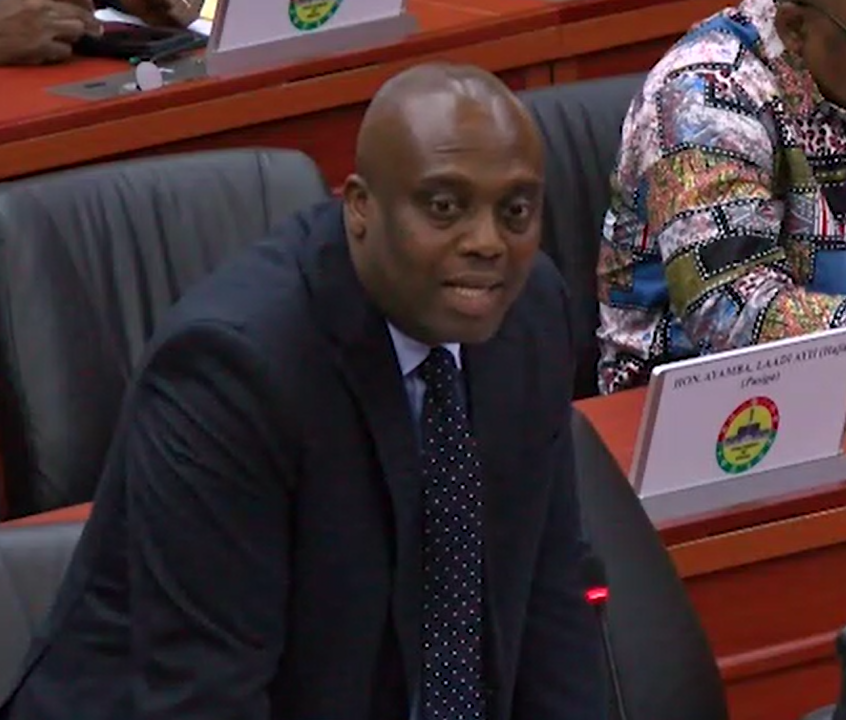
Ghana’s Parliament has taken a landmark decision by ratifying a 150-year lease extension for Regina House, the country’s diplomatic mission in London. The agreement, which secures the property’s use as the Ghanaian High Commission for the next century and a half, marks a significant milestone in the nation’s diplomatic and real estate strategy. The move has been widely celebrated as a testament to Ghana’s commitment to maintaining a strong presence in the United Kingdom while preserving a piece of its historical and cultural legacy.
A Century and a Half of Diplomatic Legacy
Regina House, located at 10 Carlton Gardens in London’s prestigious Belgravia district, has served as the official residence of Ghana’s High Commissioner to the UK since its establishment in 1960, shortly after Ghana’s independence. The property, originally acquired in 1957 during the colonial era, has been a symbol of Ghana’s diplomatic prowess and cultural influence in Europe.
The 150-year lease extension—approved by Parliament after rigorous deliberations—ensures that Ghana retains full control over the property, allowing for renovations, expansions, and adaptations to modern diplomatic needs. This decision comes at a time when many African nations are grappling with rent hikes, lease expirations, and real estate speculation in major global cities, making Ghana’s long-term commitment to Regina House particularly noteworthy.
Economic and Strategic Significance
Beyond its symbolic importance, Regina House plays a critical role in Ghana’s economic and political engagements with the UK. The UK remains one of Ghana’s top trading partners, with bilateral trade exceeding £1.5 billion annually in recent years. The High Commission facilitates investment deals, cultural exchanges, and diplomatic negotiations, making the property an indispensable asset.
The lease extension also strengthens Ghana’s negotiating position in future real estate transactions abroad. By securing a century-and-a-half commitment, the government demonstrates its ability to plan for the long term, a strategy that could attract more foreign investors and partners who value stability and reliability.
Cultural and Historical Preservation
Regina House is not just a diplomatic outpost; it is a living monument to Ghana’s post-colonial journey. The property has hosted heads of state, international leaders, and cultural delegations, serving as a venue for high-profile events such as independence celebrations, trade exhibitions, and diplomatic summits.
The lease extension ensures that future generations of Ghanaians and visitors can continue to engage with this historical landmark. The government has pledged to preserve the building’s architectural integrity while incorporating modern amenities to enhance its functionality. This balance between heritage conservation and contemporary utility sets a precedent for how African nations can reclaim and repurpose colonial-era assets for national benefit.
Legal and Financial Considerations
The ratification process involved detailed legal scrutiny to ensure the lease terms were favorable. Key provisions include:
– Full ownership retention by the Ghanaian government, with no foreign equity stake.
– Flexibility for structural modifications, allowing the High Commission to adapt to evolving diplomatic needs.
– Rent stabilization, protecting Ghana from sudden financial burdens that could arise from market fluctuations.
Financially, the lease extension is expected to reduce long-term costs by eliminating the need for frequent relocations or lease renewals. The government has not disclosed the exact financial terms, but industry experts suggest that the long-term savings will outweigh any initial investment in renovations or lease negotiations.
Reactions from Political and Diplomatic Circles
The decision has been widely praised by political leaders, diplomats, and civil society groups. President Nana Addo Dankwa Akufo-Addo, in a statement, described the move as “a testament to Ghana’s visionary leadership” and emphasized the importance of maintaining a strong diplomatic footprint in key global hubs.
Ambassadors and High Commissioners have also expressed relief, noting that the lease extension eliminates uncertainty and allows for planned development rather than last-minute scrambles for alternative accommodations.
Broader Implications for Africa’s Diplomatic Real Estate
Ghana’s success in securing Regina House’s long-term lease could serve as a model for other African nations facing similar challenges. Many countries, including Nigeria, Kenya, and South Africa, have struggled with expensive rentals and lease expirations in cities like London, New York, and Paris.
By demonstrating strategic foresight and robust negotiation skills, Ghana has set a precedent for sustainable diplomatic real estate management. This approach could inspire other African governments to secure long-term leases, invest in property ownership, or explore public-private partnerships to ensure stable diplomatic representations abroad.
Challenges and Future Outlook
While the lease extension is a major achievement, challenges remain. The high maintenance costs of a property in London’s elite real estate market will require careful financial planning. Additionally, the government must ensure that transparency and accountability are maintained in all future lease agreements to prevent corruption or mismanagement.
Looking ahead, Ghana’s diplomatic mission in London is likely to expand its role in areas such as trade facilitation, education partnerships, and cultural diplomacy. The High Commission may also explore hosting African Union or Commonwealth events, further cementing Ghana’s role as a regional and continental leader.
Conclusion: A Strategic Win for Ghana
The ratification of the 150-year lease extension for Regina House is more than just a real estate deal—it is a strategic victory for Ghana’s diplomatic, economic, and cultural interests. By securing this landmark property for the next century, the government has future-proofed its diplomatic presence in the UK while preserving a symbol of national pride.
As Ghana continues to strengthen its global influence, Regina House will remain a beacon of continuity and progress, reflecting the nation’s ability to turn historical assets into tools for modern development. This decision underscores Ghana’s commitment to long-term planning, heritage preservation, and diplomatic excellence, setting a benchmark for African nations navigating the complexities of international real estate.