


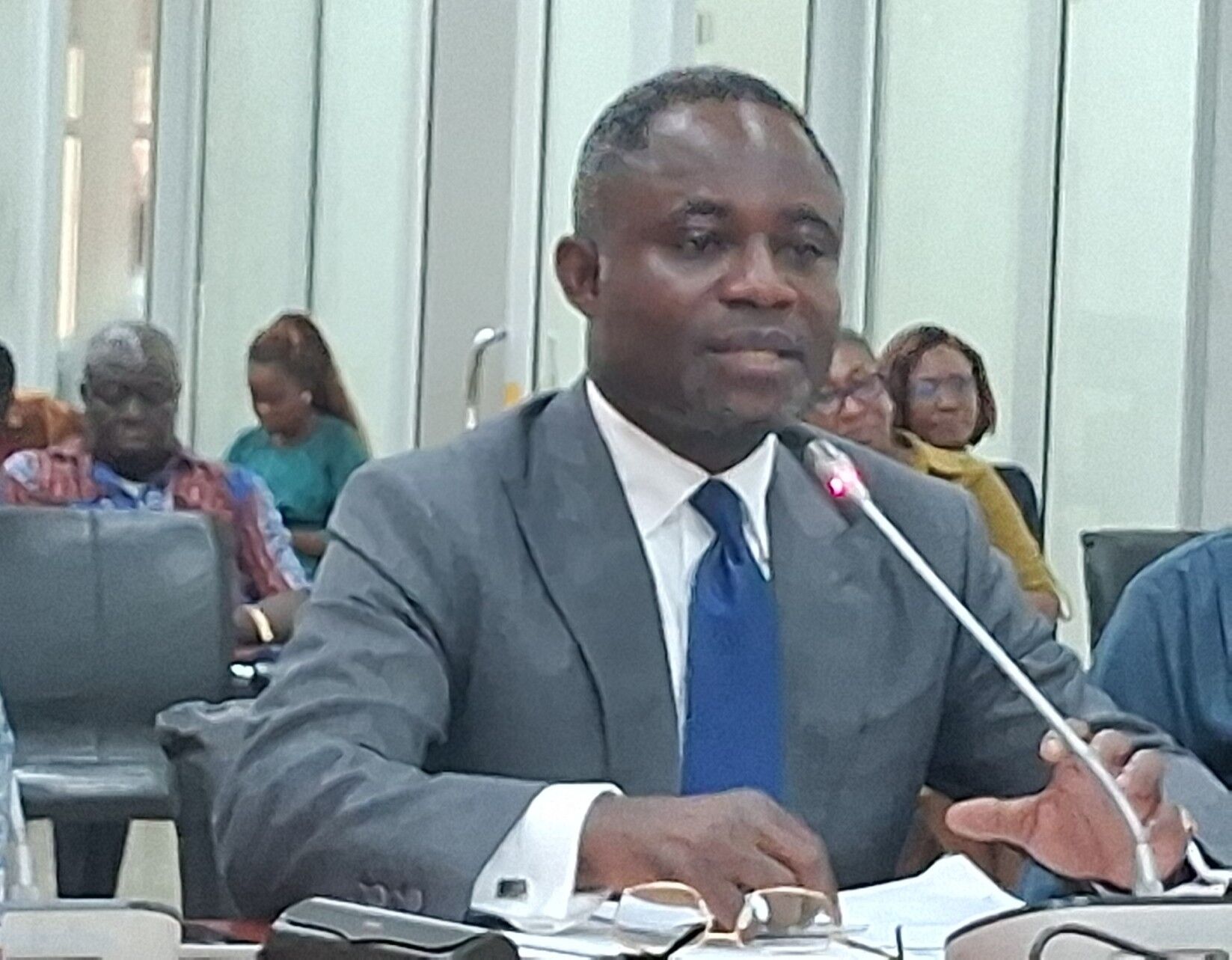
Ghana’s ambitious Agenda 111 hospital construction initiative faces a significant financial hurdle, with the government estimating a GH¢20 billion shortfall to complete the remaining projects, according to Mr. Kwabena Mintah Akandoh, the Minister of Health. Speaking before Parliament’s Government Assurances Committee on Thursday, Akandoh highlighted systemic funding gaps that have left several critical healthcare facilities incomplete despite prior commissions.
Funding Shortfalls and Incomplete Facilities
The Minister emphasized that the previous New Patriotic Party (NPP) administration failed to secure reliable and sustainable financing for Agenda 111, unlike the Eurojet project, which had dedicated funding mechanisms in place. Despite GH¢4.8 billion already allocated to the initiative, none of the commissioned hospitals are operational due to unfinished civil works and missing medical equipment.
Akandoh revealed that three Agenda 111 hospitals were prematurely commissioned under the outgoing administration, only to be later assessed as incomplete. The government now owes contractors involved in the projects over GH¢1 billion, exacerbating the financial strain.
Progress and Completion Rates
A closer examination of key projects underscores the severity of the situation:
- Bokoro Hospital (Ahanta West District, Western Region) – 67% complete
- Oforikrom-Kokoben Hospital (Ashanti Region) – 73.76% complete
- Trede Hospital (Location unspecified) – 72.89% complete
Despite these high completion percentages, all three facilities were unfit for use due to unfinished infrastructure and missing medical equipment. Akandoh stressed that premature commissions had led to wasted resources and delayed healthcare access for communities.
Government’s Revised Strategy
In response to the crisis, the current administration has identified 35 Agenda 111 projects for completion in the first phase, with construction set to begin on 10 facilities this year. The selection criteria include:
– Regional distribution to ensure balanced healthcare access
– Level of completion to prioritize near-finished projects
– Population healthcare needs to address critical gaps
To address funding constraints, the government is exploring public-private partnerships (PPPs). Akandoh announced plans to sign agreements with the Christian Health Association of Ghana (CHAG), allowing churches and religious organizations to contribute to the completion of some hospitals. Additionally, Build-Operate-Transfer (BOT) arrangements will be extended to private sector entities, enabling them to invest in and manage healthcare facilities before transferring ownership to the state.
Dispelling Misconceptions
Contrary to media reports suggesting the government might abandon Agenda 111, Akandoh reiterated the initiative’s continuity, stating that projects would be completed in phases to ensure sustainable progress. He emphasized that the current administration’s priority is restructuring the programme to secure long-term financing and strengthen Ghana’s healthcare infrastructure.
Background of Agenda 111
Launched in 2021 by the NPP government, Agenda 111 aimed to construct 111 district and regional hospitals nationwide to improve healthcare accessibility. However, funding inconsistencies, stalled projects, and incomplete facilities have raised concerns about the initiative’s long-term viability.
Way Forward: Ensuring Healthcare Equity
The Minister’s statements underscore the urgent need for structured financing to prevent further delays. By leveraging public-private collaborations, the government seeks to accelerate progress while ensuring that no community is left without essential healthcare services. The GH¢20 billion funding gap remains a critical challenge, but with strategic partnerships and phased execution, Ghana’s healthcare infrastructure could achieve lasting improvement.
As the current administration moves forward, transparency in funding allocation, contractor accountability, and project timelines will be pivotal in restoring public trust and ensuring the successful completion of Agenda 111.