


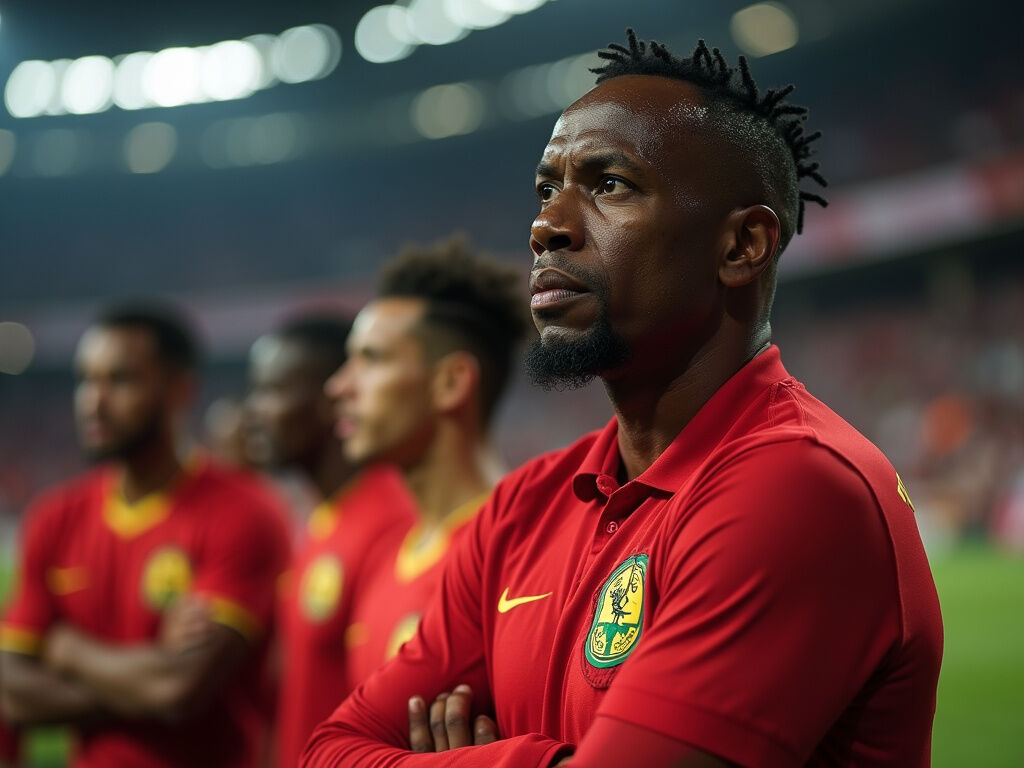
In a move that has sent shockwaves through Ghana’s footballing fraternity, Otávio Moura, the national team coach, has announced his resignation following the Black Stars’ premature exit from the 2026 FIFA World Cup qualifiers. The decision comes amid widespread criticism, public outcry, and mounting pressure over Ghana’s underwhelming performance in the ongoing qualifying campaign.
A Disappointing Campaign and the Fallout
Ghana’s journey in the 2026 World Cup qualifiers has been marred by inconsistency, tactical struggles, and a series of disappointing results. The Black Stars, historically a powerhouse in African football, have failed to replicate their past dominance, particularly in recent years. Their inability to secure crucial victories—including a 0-0 draw against Burkina Faso and a 1-1 draw against Senegal—has left fans and pundits questioning the direction of the team’s preparation.
The final straw came during a home match against Zimbabwe in Accra, where Ghana’s failure to capitalize on multiple scoring opportunities resulted in a 1-1 draw, further eroding confidence in the team’s ability to qualify. The match, broadcast live across the nation, saw Ghana’s players criticized for their lack of clinical finishing, defensive lapses, and a general air of complacency.
Moura’s Resignation: A Response to Public and Media Pressure
Following the match, Otávio Moura, who took over as head coach in 2023, faced an overwhelming backlash from Ghanaian football supporters. Social media platforms erupted with calls for his resignation, with hashtags like #FireQueiroz trending globally. The Ghana Football Association (GFA) received numerous complaints from fans, who accused Moura’s management of failing to deliver results despite a €1.2 million monthly salary—a figure that has been a point of contention among supporters.
In a press conference held on Tuesday evening, Moura addressed the nation, acknowledging the team’s struggles and the growing dissatisfaction among fans. He stated:
“I have taken the difficult decision to step down as the head coach of the Ghana national team. This is not an easy decision, but it is one that I believe is necessary for the growth and development of our football. I have given my all, but the results have not reflected the hard work and dedication of the players and staff. I respect the passion of the Ghanaian fans, and I understand the frustration. It is time for new leadership to take charge.”
His resignation marks the third coach in three years for Ghana, following the departures of Thomas Partridge and Kwame Ayew, both of whom also left under similar circumstances of underperformance.
The Search for a New Coach: What Lies Ahead?
With Moura’s departure, the GFA now faces the daunting task of selecting a new national team coach. The search is expected to be highly competitive, with top European and African coaches likely to be in the running. Candidates may include names such as:
- André Villas-Boas (Portugal) – A respected tactician with experience in top European leagues.
- Pepijn Lijnders (Netherlands) – Known for his work with Ajax and Eintracht Frankfurt.
- Rashid Yekini (Ghana) – A former Ghanaian international and experienced coach.
- Séamus Coleman (Ireland) – Currently managing Brentford FC in the Premier League.
The GFA has indicated that the selection process will be rigorous, involving interviews, trial periods, and consultations with football stakeholders. The new coach will inherit a team that needs urgent tactical overhaul, improved fitness levels, and a renewed sense of purpose to turn the fortunes around.
Fan Reactions and the Path Forward
The announcement of Moura’s resignation has been met with mixed reactions from Ghanaian football fans. While some supporters have expressed relief, believing a change in leadership is necessary, others remain skeptical, arguing that coaching changes alone will not solve the deeper issues plaguing Ghana’s football.
Key concerns include:
– Lack of youth development – Ghana’s failure to produce world-class young talents consistently.
– Inconsistent squad selection – Frequent changes in the starting XI have led to confusion and lack of cohesion.
– Financial mismanagement – Allegations of wasted resources on high-profile coaches without commensurate results.
– Pressure from the media and public – The GFA has been criticized for prioritizing image over performance.
The Bigger Picture: Ghana’s Footballing Future
Ghana’s World Cup qualifying campaign is just one chapter in a broader narrative of decline and redemption for the Black Stars. The nation, once synonymous with African football dominance, has struggled to maintain its former glory in recent years. The 2022 FIFA World Cup saw Ghana eliminated in the group stage, a stark contrast to their 2010 semi-final appearance under Avram Grant.
For Ghana to reclaim its rightful place among Africa’s footballing elite, systemic changes are required:
1. Investment in youth academies – Strengthening grassroots football to produce homegrown talent.
2. A long-term vision – Avoiding short-term coaching changes that disrupt team chemistry.
3. Transparency in governance – Ensuring financial accountability within the GFA.
4. Mental resilience training – Helping players cope with pressure and maintain consistency.
Conclusion: A New Chapter for Ghana’s Football
Otávio Moura’s resignation is a significant turning point for Ghana’s national team. While the immediate focus will be on selecting a new coach, the real challenge lies in structural reforms that can ensure sustainable success. The Black Stars remain a team with immense potential, but their ability to bounce back from this low point will depend on the leadership, strategy, and unity of the new coaching staff.
As Ghana prepares for the next phase of qualifying, one thing is clear: the pressure on the new coach will be immense, and the expectations of the nation’s football fans will be higher than ever. The journey to 2026 World Cup qualification has only just begun, and the path ahead is fraught with challenges—but also with the promise of redemption.