


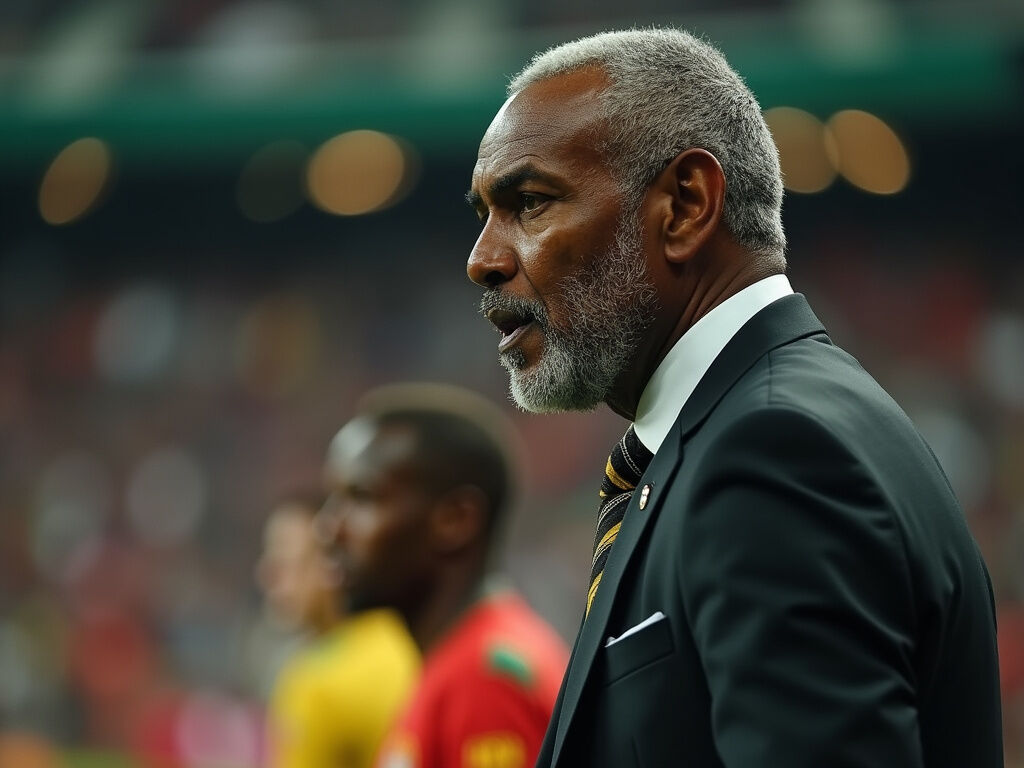
In a poignant and historic moment for Ghanaian football, legendary Portuguese coach Carlos Queiroz has officially announced his departure from the Ghana national team, marking the end of an era that spanned three years under his leadership. Queiroz, widely regarded as one of the most influential figures in the recent history of the Black Stars, delivered a heartfelt farewell address during a press conference held at the Ghana Football Association (GFA) headquarters in Accra. His parting words carried a powerful message—not just of gratitude, but a urgent call for systemic reforms to ensure the long-term success of Ghana’s national team.
A Legacy of Resilience and Growth
Queiroz’s tenure with the Black Stars has been nothing short of transformative. Under his guidance, Ghana has consistently punched above its weight, qualifying for three consecutive Africa Cup of Nations (AFCON) tournaments—including the 2023 edition, where the team reached the quarter-finals before falling to eventual champions Algeria. His tactical acumen, coupled with his ability to unify a diverse squad, has been instrumental in Ghana’s resurgence on the international stage.
However, Queiroz’s journey with the Black Stars has not been without challenges. The team’s struggles in the 2022 FIFA World Cup qualifiers, where they narrowly missed out on a spot, highlighted the pressures of high expectations and the need for deeper structural changes within Ghanaian football. Despite these setbacks, Queiroz’s professionalism, adaptability, and unwavering belief in the team’s potential have earned him respect across the continent.
A Call for Lasting Institutional Reforms
In his farewell address, Queiroz did not shy away from addressing the systemic issues that have long plagued Ghanaian football. He emphasized the necessity of long-term reforms to ensure the Black Stars’ sustainable success, rather than relying solely on individual coaches to drive progress.
“Football is not just about tactics or individual brilliance—it is about systems, infrastructure, and youth development,” Queiroz stated. “Ghana has the talent, but we must invest in academies, coaching education, and a structured pathway for young players to thrive. Without these foundations, no amount of coaching can guarantee consistent success.”
His remarks echoed a long-standing debate within African football, where short-term fixes often overshadow strategic, long-term development. Queiroz highlighted the importance of:
– Youth Development: Strengthening GFA-affiliated academies and ensuring better training facilities for young players.
– Coaching Standards: Implementing certified coaching programs to elevate the professionalism of Ghanaian coaches at all levels.
– Financial Sustainability: Addressing transparency in player transfers and ensuring fair compensation for domestic talent.
– Medical and Psychological Support: Enhancing player welfare programs to prevent burnout and injuries.
The Search for a New Era
With Queiroz’s departure, the GFA and Ghana Football Association (GFA) leadership now face the critical task of selecting his successor. The search committee, led by GFA President Kwesi Nyantakyi, has already begun evaluating candidates, with international and domestic coaches under consideration. The ideal replacement, according to Queiroz, must not only bring tactical expertise but also a vision for institutional growth****.
“The next coach must be someone who understands that winning trophies is important, but building a culture of excellence is more important,” Queiroz advised. “Ghana’s football must be self-sustaining, where young players are homegrown, nurtured, and given opportunities to compete at the highest level.”
Fan Reactions and Emotional Farewells
Queiroz’s departure has evoked a mix of emotions among Ghanaian football fans. While some express gratitude for his contributions, others urge the GFA to act swiftly to avoid another period of instability in the team’s management.
Social media platforms have burst with tributes, with many fans sharing personal stories of how Queiroz’s leadership inspired them. Former Black Stars players, including Asamoah Gyan and André Ayew, have publicly thanked him for his mentorship and guidance.
“Carlos Queiroz has been a father figure to this generation of Black Stars,” said Asamoah Gyan, who played under Queiroz during his 2010 World Cup campaign. “His professionalism and belief in us were unshakable, even when things were tough. We wish him all the best, but we also demand better from our football authorities.”
The Road Ahead: Challenges and Opportunities
While Queiroz’s departure marks the end of one chapter, it also signals the beginning of a new phase for Ghanaian football. The GFA must act decisively to implement the reforms Queiroz has advocated for, ensuring that the Black Stars remain competitive in the coming years.
Key upcoming challenges include:
– 2026 FIFA World Cup Qualifiers: Ghana must maintain consistency to secure another World Cup berth.
– AFCON 2025: The team will defend its quarter-final achievement, but youth integration will be crucial.
– Infrastructure Development: Upgrading training facilities and youth academies to international standards.
Conclusion: A Coach’s Legacy and the Future of Black Stars
Carlos Queiroz’s three-year tenure has been one of the most impactful in recent Black Stars history. His tactical brilliance, leadership, and unwavering commitment have restored pride in Ghanaian football. However, his final message—one of reform and sustainability—resonates as a call to action** for all stakeholders.
As Ghana prepares to move forward, the lessons from Queiroz’s era must be internalized and acted upon. Only then can the Black Stars truly cement their place among Africa’s football elite, beyond the shadow of individual coaches and into a future built on strong foundations**.
“Football is a marathon, not a sprint,” Queiroz reminded. “Ghana must run the race with discipline, vision, and unity—only then will we dominate the continent.” His words serve as a final, powerful reminder of what lies ahead for the Black Stars and Ghanaian football as a whole.