


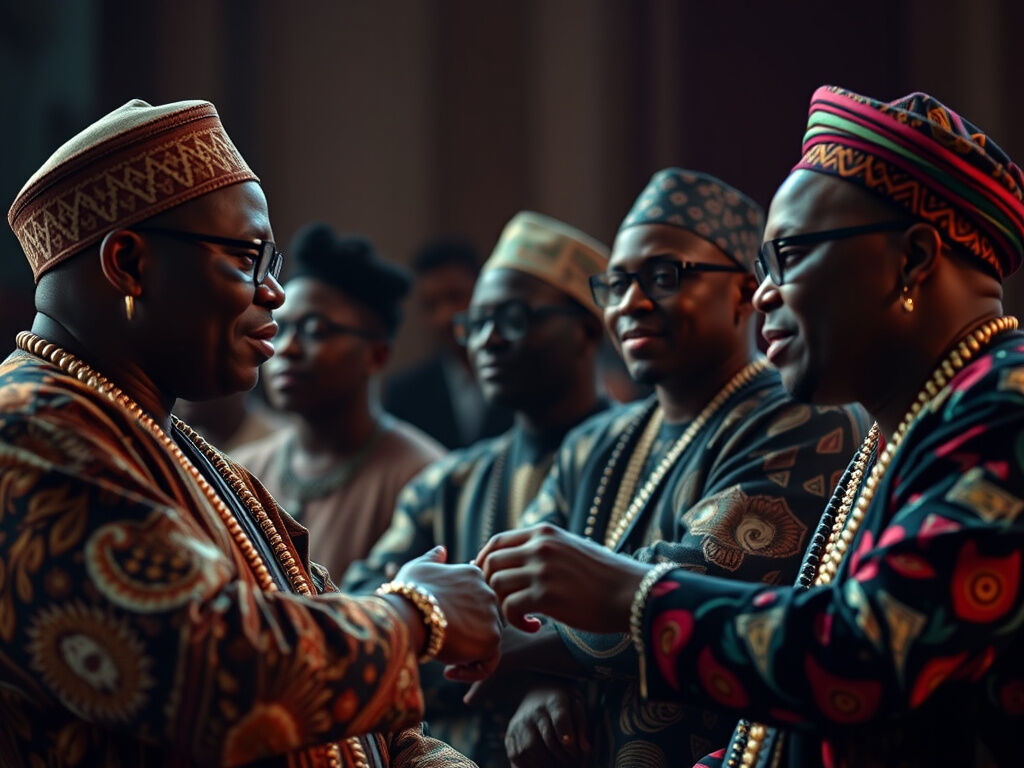
Nigeria’s entertainment industry continues to captivate global audiences, not just through its music and films, but also through the profound insights and candid conversations shared by its leading figures. From spiritual guidance for aspiring artists to critiques of modern relationships and the complexities of inheritance, celebrities and public personalities are engaging in discussions that resonate far beyond the red carpet and studio lights.
This edition of The Buzz delves into the latest perspectives from some of Nigeria’s most influential voices—including Afrobeats sensation Davido, social media icon Bobrisky, Nollywood veteran Emeka Ike, media personality Morayo Afolabi-Brown, and U.S. diplomat Keith Heffern—offering a glimpse into their thoughts on faith, love, legacy, and the cultural impact of Nigerian creativity.
Davido: Faith as the Foundation of Success
Afrobeats superstar David Adeleke, better known as Davido, has once again taken to the spotlight not just to entertain but to inspire. In a recent interview with Kiss Xtra, the multi-platinum artist shared timeless wisdom for young talents chasing their dreams, emphasizing that faith in God is the ultimate catalyst for success.
Davido, whose journey from a young boy learning music through YouTube tutorials to becoming one of Africa’s biggest stars is a testament to perseverance, urged aspiring musicians to never abandon their passion. He recalled how his early exposure to music—through online resources and the encouragement of those around him—fueled his determination to refine his craft.
However, the artist cautioned that fame and fortune can distract individuals from their spiritual roots. “Success is a gift from God,” Davido stated, emphasizing that without divine guidance, even the brightest stars risk losing their way. His message resonates deeply in an era where celebrity culture often glorifies excess, reminding fans that true fulfillment comes from a balanced life rooted in faith.
Bobrisky: The Urgency of Estate Planning in Modern Families
Social media personality Bobrisky has sparked a necessary conversation about financial responsibility and estate planning, particularly among men with multiple families. In a recent Instagram post, the influencer criticized the growing trend of individuals with polygamous relationships or children from different partners failing to secure legal wills before their passing.
Bobrisky argued that such negligence often leads to bitter family disputes, inheritance battles, and emotional turmoil for loved ones left in confusion. “If you have a large family, you have a responsibility to protect them,” he stated. His post highlighted the importance of proactive legal measures, such as drafting wills, to ensure that assets are distributed fairly and without contention.
The influencer’s words come at a time when modern family structures—whether due to marriage, cohabitation, or cultural practices—are becoming increasingly complex. His call to action serves as a reminder that preparation is key to preserving peace and unity in the face of life’s uncertainties.
Emeka Ike: Love Beyond Materialism in Modern Relationships
Nollywood’s Emeka Ike, a veteran actor with decades of experience, has weighed in on the evolution of love and marriage in contemporary society. In an interview with BBC News Pidgin, he criticized the rising trend of relationships driven by financial gain, warning that such transactions often lead to disappointment and instability.
Ike argued that genuine love should never be transactional, urging individuals to be honest about their intentions. “If someone is seeking financial support, they should ask directly—there’s no need to disguise it as romance,” he stated. His perspective challenges the romanticized notion of love as a means to an end, emphasizing that trust, respect, and mutual commitment are the bedrock of lasting partnerships.
The actor also advised women against comparing their marriages to social media narratives, which often paint unrealistic expectations. “Every relationship is unique,” Ike noted. “Patience, communication, and understanding are essential for navigating its challenges.” His words offer a much-needed counterbalance to the idealized yet often unattainable standards portrayed in digital spaces.
Morayo Afolabi-Brown: Standing Firm in the Face of Criticism
Media personality and television host Morayo Afolabi-Brown has faced her share of criticism over the years, but recent events have pushed her to reflect on the boundaries of professional integrity. In an interview, she revealed receiving an abusive phone call from someone who took issue with the questions she asks guests during her shows.
While Afolabi-Brown acknowledged that online criticism is par for the course in her line of work, the direct hostility over the phone was unsettling. “Asking probing questions is part of journalism,” she defended, underscoring that her two decades in media have equipped her with the expertise to conduct interviews that hold guests accountable.
The host clarified that she respects her guests by setting clear boundaries before interviews and ensures her programs promote constructive dialogue rather than personal attacks. Her stance reinforces the idea that journalism, at its core, is about truth-seeking, even when it invites backlash.
Keith Heffern: Afrobeats as a Global Cultural Phenomenon
The Chargé d’Affaires of the U.S. Mission in Nigeria, Keith Heffern, shared his admiration for Nigeria’s creative industry during the U.S. 250th Independence Day celebrations. In a candid discussion, Heffern praised the explosive growth of Afrobeats, describing it as a worldwide phenomenon that has cemented Nigeria’s position as a cultural powerhouse.
The diplomat highlighted the dominance of Nigerian artists on international charts, particularly mentioning Rema and Burna Boy. He recalled enjoying their performances at the FIFA World Cup opening ceremonies, where Rema’s anthemic hit “Goals” became a rallying song for Team USA. “Afrobeats is not just music—it’s a cultural movement,” Heffern stated, noting how it has bridged gaps between African and global audiences.
He also reflected on the mutual influence between Nigerian and American music, citing Motown’s enduring legacy as a testament to the rich cultural exchange between the two nations. His remarks underscore how Nigerian creativity is not only thriving locally but also shaping global trends, from music to fashion and beyond.
A Reflection on Nigeria’s Creative Influence
Beyond the headlines, these conversations reveal a nuanced portrait of Nigeria’s entertainment landscape—one where faith, love, legacy, and cultural pride intersect with the industry’s commercial success. Whether through Davido’s spiritual guidance, Bobrisky’s call for financial responsibility, Emeka Ike’s critique of modern relationships, Morayo Afolabi-Brown’s defense of journalistic integrity, or Keith Heffern’s celebration of Afrobeats, these voices collectively paint a picture of an industry that is not just entertaining, but also enlightening.
As Nigeria continues to make its mark on the world stage, its celebrities are not only shaping trends but also sparking meaningful conversations that resonate with audiences far beyond the continent. In an era where entertainment often blurs the line between art and commerce, their perspectives remind us that the best stories—whether in music, film, or life—are those that inspire, challenge, and unite.