


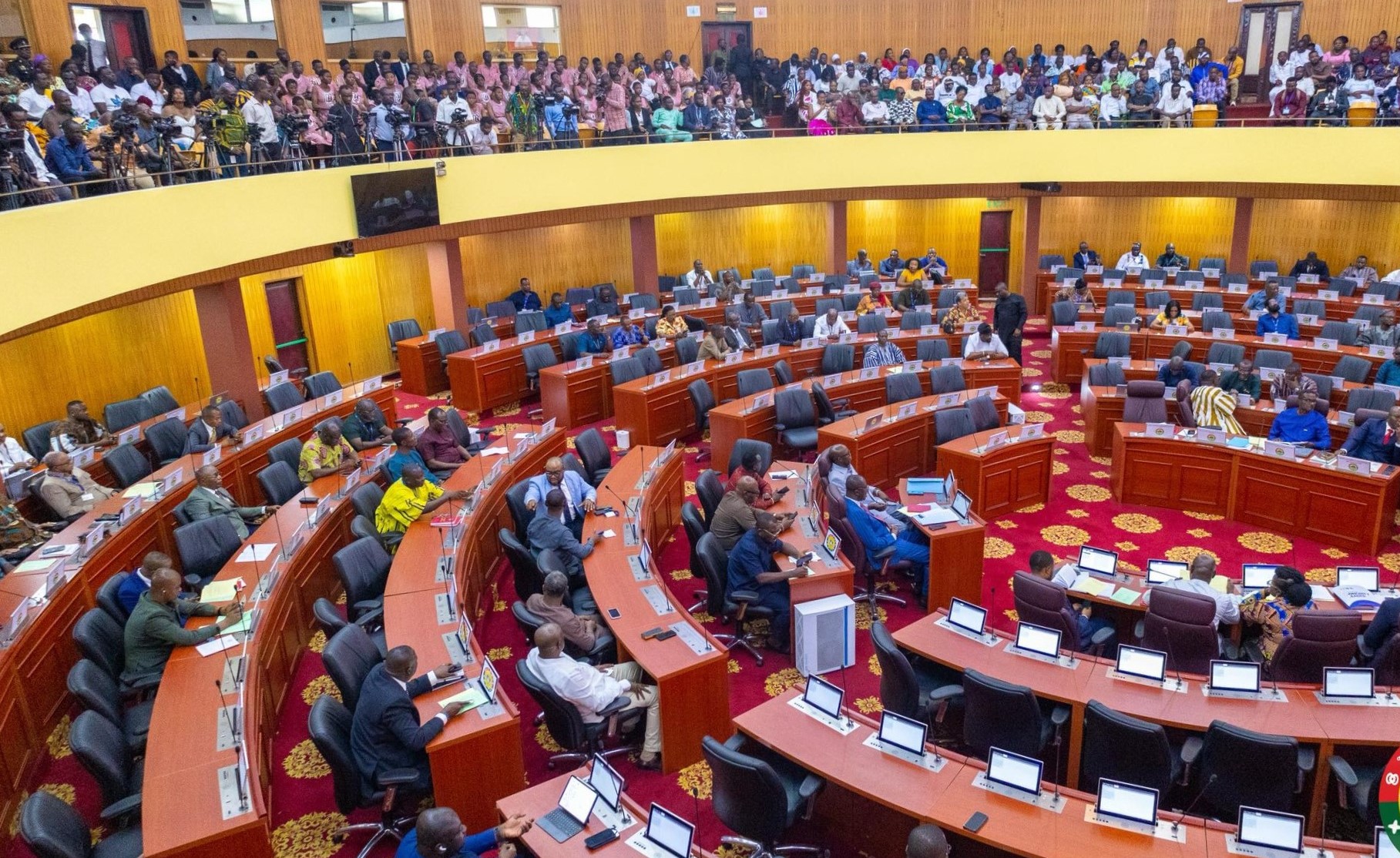
Ghana’s Parliament has formally approved a $300 million loan facility from the International Development Association (IDA), a branch of the World Bank Group, to fund the Secondary Education Transformation and Access Programme (SETAP). The landmark decision, reached during a high-stakes debate on Tuesday, marks a significant step in the government’s push to upgrade secondary school infrastructure and ensure equitable access to quality education across the nation.
A Strategic Investment in Education Reform
The loan, secured under the IDA’s concessional lending framework, is designed to transform the quality and accessibility of secondary education in Ghana. A key focus of the initiative is the gradual upgrading of existing schools—specifically, Grade C schools to Grade B and Grade B schools to Grade A—to meet international standards of educational infrastructure. This aligns with the government’s broader education reform agenda, which prioritises reducing disparities in school quality and expanding opportunities for students from all socio-economic backgrounds.
Minister of Education, Dr. Haruna Iddrisu, addressed Parliament, reaffirming the government’s commitment to transparency and efficiency in the implementation of the loan. He emphasised that the project would adhere to strict value-for-money principles, ensuring that every cedi invested delivers measurable improvements in school facilities, teacher training, and student engagement.
Political Debate Highlights Government’s Education Priorities
The approval process was not without controversy, as opposition lawmakers raised concerns over the timing and purpose of the loan. Mr. Alexander Afenyo-Markin, the Minority Leader, questioned whether the facility was intended to fund the Free Senior High School (FSHS) policy, a contentious initiative that has been a subject of political debate in recent years.
Afenyo-Markin drew parallels to the New Patriotic Party (NPP) government’s introduction of the FSHS policy, which was met with criticism from the then-opposition National Democratic Congress (NDC). He argued that the loan, while framed as a secondary education infrastructure upgrade, could be perceived as an extension of the FSHS policy, raising concerns about sustainability and fiscal responsibility.
In response, Mr. Mahama Ayariga, the Majority Leader, clarified that the loan was not a continuation of past policies but rather a new initiative under the second Mahama-led administration. He described the Secondary Education Transformation Programme as a cornerstone of the government’s education reform, stating that it would directly address structural deficiencies in Ghana’s secondary education system.
A Historical Context: Ghana’s Education Loans and Challenges
The $300 million loan is not Ghana’s first international borrowing for education. In July 2025, the government secured a $360 million post-COVID-19 recovery loan from the World Bank, which was allocated towards education, healthcare, and economic resilience. While the new loan builds on past efforts, critics argue that sustained funding and proper implementation remain critical to avoiding wasteful expenditure and ensuring long-term benefits for students.
The Ministry of Education has outlined a phased implementation plan, which includes:
– School infrastructure upgrades (construction of new classrooms, laboratories, and libraries)
– Teacher training and capacity building to enhance instructional quality
– Digital integration to modernise learning environments
– Equitable distribution of resources to underserved regions
Broader Implications for Ghana’s Education Sector
The approval of this loan signals the government’s unwavering commitment to transforming Ghana’s secondary education sector. With over 1.5 million students enrolled in senior high schools, the need for modern, well-equipped learning environments has never been more urgent. The programme is expected to:
– Reduce overcrowding in schools by improving physical facilities
– Enhance academic performance through better-resourced classrooms
– Promote gender equality by ensuring access to quality education in rural and marginalised communities
– Boost economic productivity by producing a more skilled workforce
However, transparency and accountability will be key to the success of this initiative. Opposition lawmakers have called for regular audits to prevent misuse of funds and ensure that the loan benefits all students, not just those in urban centres.
Conclusion: A Step Forward, But Challenges Remain
While the $300 million loan represents a major financial injection into Ghana’s secondary education system, its long-term impact will depend on effective governance, strategic planning, and public-private collaboration. As the government moves forward with the Secondary Education Transformation Programme, stakeholders—including teachers, parents, and policymakers—will need to work together to maximise the benefits and mitigate potential risks.
One thing is clear: this loan is not just about building schools—it is about building the future of Ghana’s youth, ensuring they receive the education they deserve to compete in a rapidly evolving global economy. The coming years will be critical in determining whether this investment translates into lasting improvements in Ghana’s education sector.