


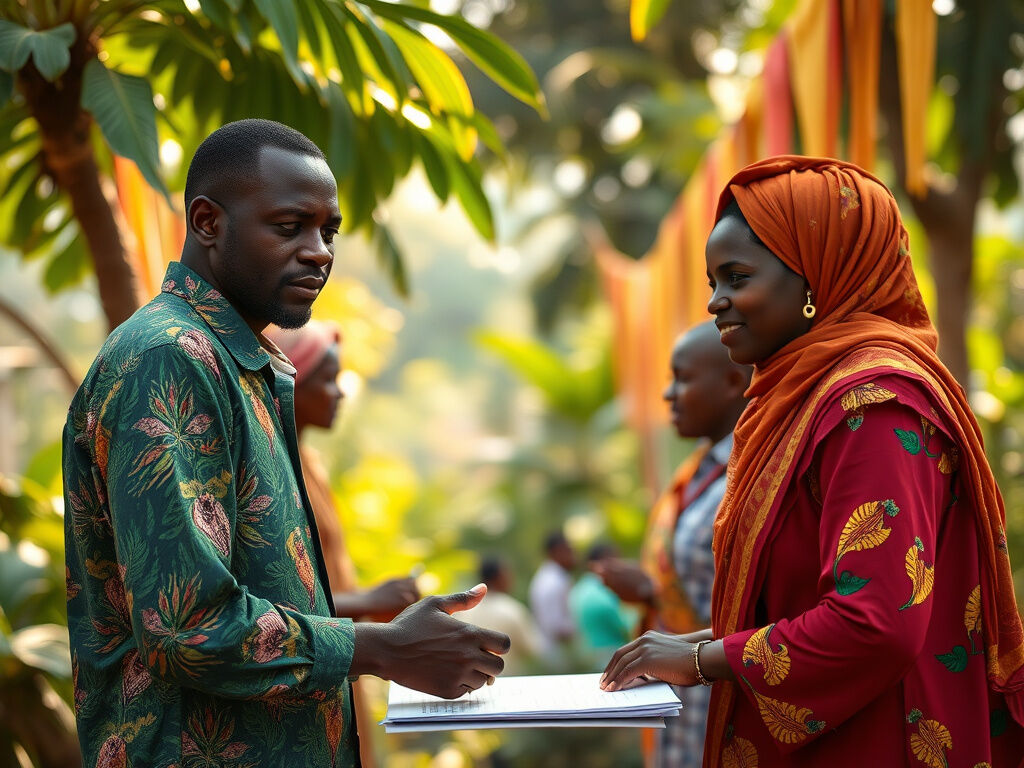
In an era where climate change, resource depletion, and environmental degradation dominate global discourse, Ghana is emerging as a pioneering force in Africa’s green business movement. With its rich natural resources, strategic environmental policies, and a growing entrepreneurial ecosystem, the West African nation is rapidly transforming into a hub for sustainable innovation. But what drives this surge in green business initiatives? And how is Ghana positioning itself to capitalize on the global shift toward eco-friendly economies?
This comprehensive exploration examines the key drivers, economic benefits, challenges, and future prospects of Ghana’s green business revolution—offering insights into why sustainability is no longer just a moral imperative but a strategic economic opportunity.
1. The Environmental Imperative: Why Sustainability Is Non-Negotiable
Ghana’s decision to embrace green business is rooted in urgent environmental concerns that threaten its long-term prosperity. The country faces severe deforestation, soil erosion, water scarcity, and air pollution, all exacerbated by industrialization, agriculture, and urbanization. According to the United Nations Environment Programme (UNEP), Ghana loses over 100,000 hectares of forest annually, contributing to biodiversity loss and climate vulnerability.
Yet, beyond ecological necessity, sustainability is increasingly tied to economic resilience. The Intergovernmental Panel on Climate Change (IPCC) warns that unchecked environmental degradation could reduce Ghana’s GDP by up to 10% by 2050 due to crop failures, extreme weather events, and health crises. By investing in green business, Ghana is not only protecting its environment but also securing its economic future.
2. Government Policies: The Legal and Institutional Backbone of Green Business
Ghana’s commitment to sustainability is legally and institutionally reinforced through a series of progressive policies and regulatory frameworks:
- The National Climate Change Policy (2016) – This landmark policy outlines Ghana’s long-term vision for a low-carbon, climate-resilient economy, with a 30% renewable energy target by 2030.
- The National Green Economy Strategy (NGES, 2015) – Aims to integrate environmental sustainability into economic planning, focusing on low-carbon industries, circular economy principles, and green jobs.
- The Renewable Energy Act (2020) – Simplifies investment in solar, wind, and biomass energy, offering tax incentives and feed-in tariffs to attract private sector participation.
- The National Forest Policy (2012) – Promotes afforestation, sustainable logging, and community-based forest management to combat deforestation.
Additionally, Ghana’s National Development Planning Commission (NDPC) has prioritized green growth in its 2023-2027 Medium-Term Development Framework (MTDF), allocating significant funding to renewable energy, waste management, and sustainable agriculture.
Ghana’s solar power expansion in Accra, a key component of its renewable energy strategy.
3. Economic Benefits: How Green Business Is Driving Growth
The shift toward green business is not just environmentally beneficial—it is an economic game-changer. Here’s how Ghana is reaping the rewards:
A. Job Creation in the Green Sector
The International Labour Organization (ILO) estimates that green jobs—roles in renewable energy, sustainable agriculture, and waste management—could create 24 million jobs globally by 2030. In Ghana, the green economy sector is already employing over 150,000 people, with projections suggesting this number could double by 2030.
Key green job sectors include:
– Renewable energy technicians (solar, wind, hydro)
– Agroforestry and sustainable farming experts
– Waste recycling and circular economy specialists
– Green building architects and engineers
B. Foreign Direct Investment (FDI) and Market Expansion
Ghana’s pro-business green policies are attracting foreign investors seeking sustainable opportunities. In 2023 alone, $1.2 billion in FDI flowed into Ghana’s renewable energy and sustainable agriculture sectors, according to the Ghana Investment Promotion Centre (GIPC).
Companies like SolarAfrica, EcoBank Ghana, and the Volta River Authority are leading the charge, while multinational corporations (MNCs) such as Coca-Cola, Unilever, and Nestlé are investing in carbon-neutral supply chains and waste-to-energy projects.
C. Cost Savings and Energy Independence
Traditional energy sources in Ghana—fossil fuels and hydropower—are volatile and expensive. By transitioning to renewable energy, the country is reducing reliance on imported oil and lowering electricity costs.
- Solar energy now accounts for over 12% of Ghana’s electricity mix, down from just 1% in 2015.
- The Bui Hydro Dam expansion and offshore wind projects (like the 300MW offshore wind farm planned for 2026) will further diversify Ghana’s energy portfolio.
D. Export Opportunities in Green Products
Ghana is leveraging its natural resources to export sustainable products globally. Key sectors include:
– Cocoa and coffee (certified organic and Fair Trade)
– Timber and wood products (sustainably sourced and FSC-certified)
– Biofuels and ethanol (from cassava and sugarcane)
– Recycled plastics and e-waste processing
The European Union’s Green Deal and AfCFTA’s sustainability clauses are boosting demand for Ghana’s eco-friendly exports.
4. Challenges and Obstacles in Ghana’s Green Business Journey
Despite its progress, Ghana faces significant challenges in fully realizing its green business potential:
A. Funding and Financial Constraints
While government policies provide frameworks, limited funding remains a major hurdle. Many small and medium enterprises (SMEs) struggle to access green loans and grants, forcing them to rely on high-interest conventional loans.
Solutions being explored:
– Green bonds (e.g., Ghana’s $750 million green bond issued in 2021)
– Public-private partnerships (PPPs) for large-scale projects
– Blended finance models (combining donor funds with private capital)
B. Infrastructure Gaps
Ghana’s energy grid, waste management systems, and transportation networks are ill-equipped to support a large-scale green transition.
- Rural electrification remains below 50% in some regions.
- Waste collection and recycling infrastructure is underdeveloped, leading to open dumping and pollution.
- Logistics for green exports (e.g., cold chains for organic produce) are inadequate.
C. Regulatory and Bureaucratic Hurdles
Despite policies, slow implementation and red tape discourage investors. Permitting processes for renewable energy projects can take years, while tax incentives are often not fully utilized due to lack of awareness.
D. Public Awareness and Behavioral Change
Many Ghanaians lack awareness about sustainable practices, leading to high waste generation, deforestation, and energy inefficiency. Corporate and individual consumption patterns still prioritize convenience over sustainability.
5. Global Leadership: Ghana’s Role in Africa’s Green Economy
Ghana is not just transforming its own economy—it is setting an example for Africa. Through regional collaborations and international partnerships, the country is positioning itself as a leader in continental green innovation:
- African Green Energy Initiative (AGEE) – Ghana is a key partner, contributing to pan-African renewable energy projects.
- African Union’s Green Industrialization Strategy – Ghana is piloting sustainable manufacturing models in sectors like textiles and agro-processing.
- UN Sustainable Development Goals (SDGs) Advocacy – Ghana has exceeded targets in SDG 7 (Affordable and Clean Energy) and is on track for SDG 13 (Climate Action).
[IMAGE_2]
Ghana’s solar-powered schools initiative, part of its broader green education strategy.
6. The Future: What’s Next for Ghana’s Green Business Revolution?
The next decade will determine whether Ghana’s green business ambitions become a reality or remain aspirational. Key trends to watch include:
A. Expansion of Renewable Energy
- 100% renewable electricity by 2050 (currently ~30% renewable share).
- Offshore wind farms (targeting 1GW capacity by 2030).
- Battery storage solutions to overcome intermittency issues.
B. Circular Economy Growth
- Waste-to-energy plants (e.g., the Accra Waste-to-Energy Project, expected to reduce landfill waste by 30%).
- Recycling incentives for plastics, e-waste, and electronic scrap.
C. Green Finance and Investment
- More green bonds and climate funds (e.g., $500 million Climate Investment Fund).
- Impact investing in sustainable agriculture and green tech startups.
D. Global Green Trade Hub
- Exporting Ghana’s green credentials to EU, US, and Chinese markets.
- Certifications (Fair Trade, Organic, Carbon Neutral) becoming standard for exports.
E. Green Education and Workforce Development
- Sustainability curricula in universities and vocational schools.
- Apprenticeship programs for green jobs (e.g., solar technicians, agro-ecologists).
7. Conclusion: A Sustainable Future for Ghana
Ghana’s green business revolution is not just a response to climate change—it is a strategic economic transformation that could position the country as Africa’s green powerhouse. By leveraging its natural advantages, strengthening policies, and attracting global investment, Ghana is proving that sustainability and prosperity go hand in hand**.
Yet, success will depend on overcoming funding gaps, infrastructure challenges, and public engagement. If Ghana accelerates its green transition, it could inspire Africa, reduce its carbon footprint, and create a more resilient, equitable economy** for future generations.
As the world moves toward a low-carbon future, Ghana’s journey offers a blueprint for nations seeking to grow without destroying their environment—one green business at a time**.
#GhanaBusiness #GreenEconomy #SustainableDevelopment #RenewableEnergy #AfricanInnovation