


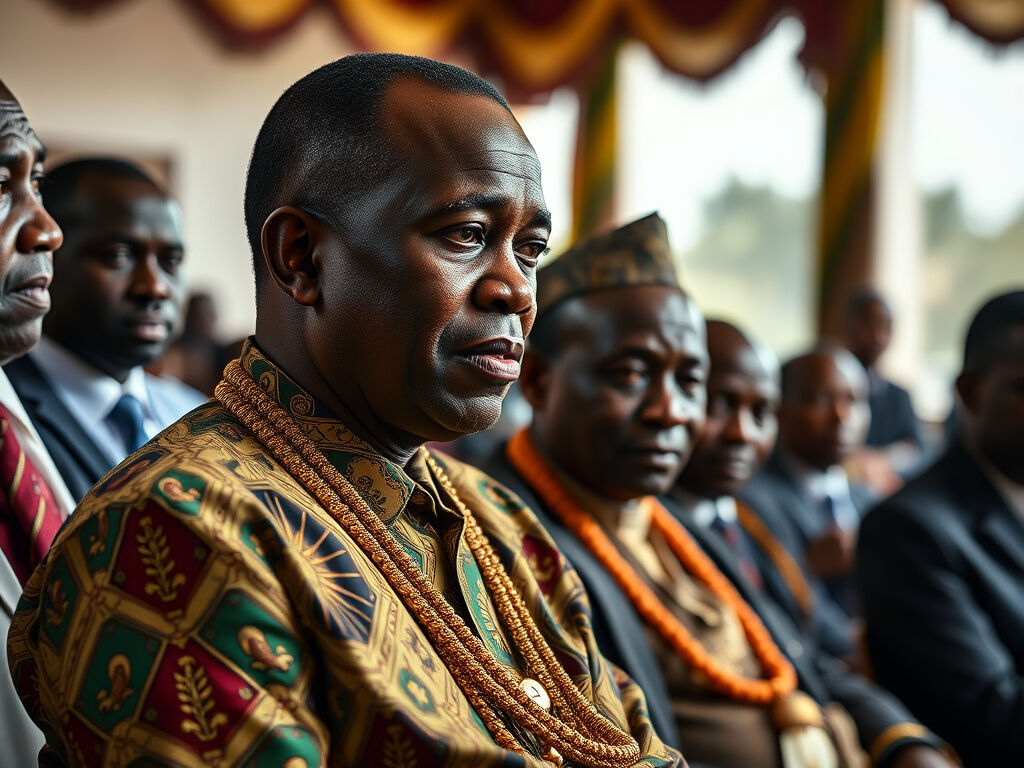
Ghana’s political landscape has long been a subject of intense public scrutiny, particularly regarding the accumulation of wealth by political leaders while the nation grapples with stagnant development and rising poverty. Over the years, investigations, media exposés, and academic analyses have consistently exposed systemic corruption, inflated contracts, abandoned infrastructure projects, and a pervasive lack of accountability. These issues transcend party lines, reflecting a broader governance crisis that mirrors challenges faced by many African nations.
Recent revelations have reignited national debates, with allegations surfacing that the Agenda 111 initiative—one of President Nana Addo Dankwa Akufo-Addo’s flagship programs—suffered severe setbacks due to corruption. Kennedy Agyapong, a prominent critic, has publicly accused political elites of diverting funds allocated for Agenda 111 through a “10% kickback” system, where contractors allegedly inflated project costs and siphoned off portions of the budget into private accounts of party members. This, according to Agyapong, has not only stalled critical infrastructure development but also enriched a select few at the expense of national progress.
Beyond Agenda 111, the case of former Finance Minister Ken Ofori-Atta has further fueled public outrage. Reports suggest that Ofori-Atta’s refusal to return to Ghana after extended stays in the United States—potentially linked to legal or financial pressures—raises questions about accountability and the consequences of corruption. Agyapong has also called for the submission of a list of suspected offenders to the Inspector General of Police (IGP) for investigation, alleging a pattern of “ghost projects,” inflated contracts, and nepotistic procurement practices.
While these claims remain under investigation, they underscore a deeply entrenched culture of corruption that permeates Ghana’s political and economic systems. To verify these assertions, citizens are encouraged to consult official reports from the Auditor-General’s Office, findings by Parliament’s Public Accounts Committee, and investigative journalism platforms such as The Fourth Estate, Tiger Eye, Joy News, Kelvin Taylor, and Citi FM.
How Corruption Fuels Poverty and Undermines National Development
Corruption in Ghana is not merely an isolated incident but a systemic practice that distorts public service and prioritizes personal enrichment over national progress. Analysts argue that political office is increasingly viewed as a trophy for wealth accumulation rather than a platform for public service. This mindset diverts critical resources away from essential sectors like healthcare, education, and infrastructure, exacerbating poverty and inequality.
1. The “10% Kickback” System: A Culture of Bribery and Inflated Costs
One of the most pervasive allegations in Ghanaian politics is the “10% kickback” system, where contractors artificially inflate project costs to create room for bribes. This practice inflates national expenditures while delivering substandard infrastructure. For instance, a road project may be budgeted at ₵100 million but executed at ₵120 million, with the extra ₵20 million funneled into private accounts. The result? Taxpayer money is wasted, and communities receive poorly constructed roads, schools, and hospitals.
2. Inflated Contracts and Overpricing: A Billion-Cedi Scam
Public contracts in Ghana are frequently overpriced by 30% to 50% to accommodate kickbacks. A 2022 report by the Auditor-General revealed that over 50% of government contracts in the past decade had questionable pricing, with some projects costing three times more than market rates. These inflated figures not only drain national coffers but also lead to poor-quality construction, leaving essential services in disrepair.
3. Ghost Projects and Abandoned Infrastructure: Billions Wasted
A disturbing trend in Ghana’s development sector is the existence of “ghost projects”—funds allocated for infrastructure that either never materialize or remain unfinished. The Agenda 111 initiative, for example, has seen billions of cedis diverted without delivering tangible results in key areas like healthcare and education. Similarly, urban development projects in Accra and Kumasi have been abandoned mid-construction, leaving communities without basic amenities while politicians and contractors profit from the delays.
4. Abuse of Procurement Processes: Nepotism Over Merit
Ghana’s procurement system is often manipulated to favor political allies, family members, or party financiers. Instead of awarding contracts based on competitive bidding and transparency, decisions are influenced by political loyalty. This patronage system undermines fairness, encourages favoritism, and ensures that unqualified firms win lucrative government contracts.
5. Misuse of State-Owned Enterprises (SOEs) and Public Agencies
Some state-owned enterprises (SOEs) and public agencies have become vehicles for financial mismanagement. Reports indicate that Ghana Airways, Ghana Ports and Harbours Authority (GPHA), and the National Petroleum Authority (NPA) have been plagued by ghost employees, inflated salaries, and embezzlement. Without strong oversight, these institutions continue to drain public funds meant for national development.
6. Politicians as Businessmen: Blurring Public and Private Interests
A growing concern is the use of political power to secure private business interests. Some politicians allegedly exploit their influence to obtain land concessions, tax exemptions, and import licenses for their personal businesses. This conflict of interest not only distorts fair competition but also erodes public trust in leadership.
7. Party Financing and the Corruption Cycle
Political parties in Ghana require massive funding for campaigns, elections, and party operations. This financial demand incentivizes corruption, as politicians and party officials seek illicit funds to maintain power. Once in office, they justify corrupt practices as necessary for party survival, creating a vicious cycle of misappropriation.
8. Weak Accountability Mechanisms: Impunity for the Powerful
Despite laws against corruption, enforcement remains weak and politicized. Slow investigations, political interference, and lack of transparency allow corrupt officials to operate with impunity. When high-profile cases drag on for years—or are dismissed without consequences—it sends a message that corruption is acceptable.
9. Leadership Prioritizing Power Over Service
Instead of servant leadership, many Ghanaian politicians prioritize power, control, and personal gain. This self-serving mindset leads to poor governance, wasted resources, and declining social amenities. Citizens bear the brunt of this failure, as healthcare systems collapse, schools lack facilities, and roads remain impassable.
The Consequences: A Nation Stagnating in Poverty
The cumulative effect of these corrupt practices is devastating. While a few elites accumulate wealth, the majority of Ghanaians struggle with poverty, unemployment, and inadequate services. The Ghana Living Standards Survey (GLSS) reveals that over 24% of Ghanaians live below the poverty line, a figure that would be far lower if public funds were transparently and efficiently allocated.
When corruption allegations are met with insults and personal attacks rather than transparency and accountability, public trust erodes further. Citizens grow disillusioned, believing that no one is accountable, and that power is more valuable than service. Without honest leadership, Ghana’s economic and social progress remains stagnant, and poverty deepens.
A Call for Integrity and Accountability
For Ghana to break free from this cycle of corruption and poverty, leaders must confront allegations with honesty and prioritize integrity over political loyalty. Citizens must demand transparency, support independent investigations, and hold leaders accountable for their actions. Only through collective action, strong institutions, and ethical leadership can Ghana restore public trust, allocate resources wisely, and build a future where prosperity is shared by all.
By Gaddiel R. Ackah
Gaddiel R. Ackah is a Ghanaian-based social commentator and governance expert based in the United States. His work focuses on political accountability, economic policy, and the impact of corruption on national development. Through his essays and public commentary, Ackah advocates for transparent governance, responsible leadership, and a Ghana where integrity defines public service.