



Ghana’s entertainment landscape has once again proven its ability to captivate, provoke, and entertain in equal measure over the past week. From explosive revelations about financial struggles and family betrayals to bold political aspirations and life-altering personal discoveries, the week of 9–13 March was a rollercoaster of drama, honesty, and unexpected twists. Here’s a deep dive into the five most talked-about stories that dominated headlines and social media feeds, offering a glimpse into the complexities behind the glitz and glamour of Ghana’s vibrant showbiz industry.
1. The Financial Sacrifices Behind Ebony Reigns’ Rise: Ricky Nana Agyemang’s Raw Confession
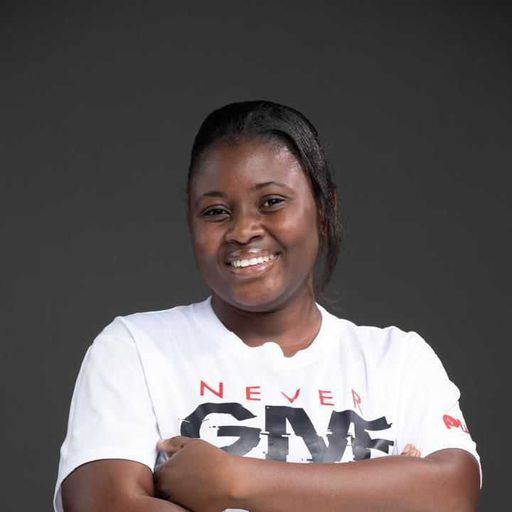
In a candid interview that sent shockwaves through Ghana’s music industry, Ricky Nana Agyemang, the visionary behind RuffTown Records, laid bare the financial burdens he endured while nurturing the career of the late Ebony Reigns. The revelation came as a stark reminder of the hidden costs of building a music empire, particularly for artists who rise to prominence during their early years.
Nana Agyemang, who has since become a household name as a music executive and entrepreneur, admitted that he personally financed Ebony’s early promotions, taking out multiple loans to fund her singles, music videos, and live performances. The financial strain was so severe that he confessed to sleeping on couches and skipping meals to keep the label afloat during Ebony’s formative years. Years after her untimely death in 2015, the debt burden remains, and he revealed that he might have faced legal consequences had another artist under RuffTown not quickly gained traction to offset the losses.
His disclosure underscored the unseen sacrifices of industry moguls who pour their resources into artists, often at personal expense, before reaping rewards. The interview also sparked conversations about fair compensation for executives and the long-term financial risks artists and their managers take in the pursuit of success.
2. Daddy Lumba’s Family Drama: The Fall of Abusuapanin Victor Kofi Owusu Boahen
The highlife legend’s legacy took another dramatic turn this week as the Daddy Lumba family made a high-profile decision to oust Abusuapanin Victor Kofi Owusu Boahen from his role as the family patriarch. The move follows months of bitter disputes centered around the organization of the late musician’s funeral, which became a microcosm of family rifts and power struggles.
Reports indicate that Boahen’s leadership was questioned over financial mismanagement during the funeral preparations, with allegations of excessive spending and poor coordination leading to public dissatisfaction. The family’s decision to remove him from his position was announced through a public statement, marking a rare and highly visible family feud in Ghana’s entertainment sphere.
This development has reignited discussions about legacy management in the music industry, particularly how family dynamics can either sustain or undermine the cultural impact of iconic figures like Daddy Lumba. Fans and industry observers are now watching closely to see how the family will navigate this crisis and whether the late musician’s musical estate will be preserved amid the turmoil.
3. Shatta Wale vs. EOCO: The Stolen Car Saga and Its Fallout
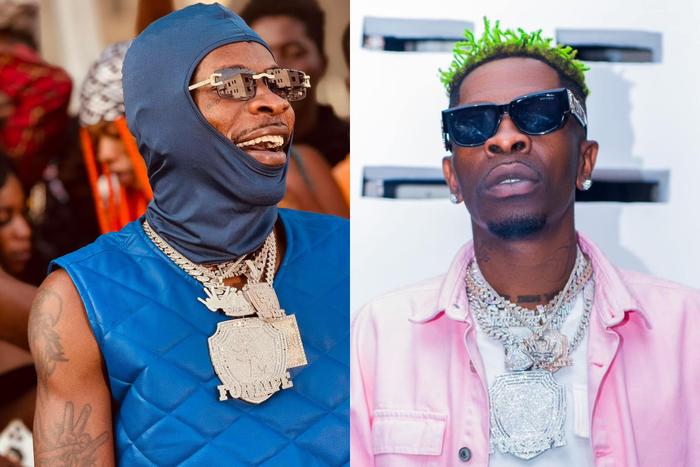
Dancehall superstar Shatta Wale has publicly demanded an apology from the Economic and Organised Crime Office (EOCO) over allegations linking him to a stolen luxury vehicle seized during a recent investigation. The controversy, which erupted earlier this month, has damaged his reputation and cost him potential business opportunities, according to the artiste.
Shatta Wale, who is known for his sharp wit and outspoken nature, vehemently denied any involvement in the crime, stating that he was unaware the vehicle was part of a criminal investigation. He accused EOCO of mishandling the situation by publicly associating him with the case, which he claims tarnished his brand and led to lost partnerships. In a scathing social media post, he called for transparency and accountability, urging EOCO to clarify the circumstances surrounding the vehicle’s seizure.
The fallout from this incident has fueled debates about celebrity accountability and the impact of false allegations on public figures. Shatta Wale’s response has also reinforced his reputation as a fighter, further solidifying his stance against perceived injustices in the media and law enforcement.
4. Shatta Wale’s Political Ambitions: “I Want to Serve the People”
In a bold declaration that has sent shockwaves through Ghana’s political landscape, Shatta Wale hinted at a potential foray into politics, suggesting he would contest a parliamentary seat if encouraged by his fans and supporters. During a live radio interview, the multi-talented artiste—who is already a businessman, entrepreneur, and philanthropist—stated:
“If the people want me to serve, I will serve. I don’t want to be in politics for the money or the fame. I want to serve the people.”
His comments have ignited discussions about whether Ghana’s entertainment industry is ready for political participation from its biggest stars. While some fans enthusiastically support the idea, others caution against celebrity politics, warning of potential conflicts of interest and public expectations that may be difficult to meet.
Shatta Wale’s potential entry into politics could reshape Ghana’s political narrative, proving that the entertainment sector’s influence extends far beyond music and film. Whether this is a serious ambition or a strategic move to expand his brand remains to be seen, but one thing is clear: Ghana’s political stage may soon have a new, unexpected player.
5. LilWin’s DNA Revelation: A Father’s Journey of Acceptance
Comic actor and filmmaker Kwadwo Nkansah, widely known by his stage name LilWin, delivered a powerful and emotional revelation this week when he disclosed that a DNA test confirmed he is not the biological father of a child he had raised for nearly a decade. The announcement, shared on his social media platforms, was a raw and honest account of his emotional journey from suspicion to acceptance.
LilWin revealed that he had long suspected the truth but chose to avoid confrontation until the DNA test provided definitive proof. Instead of reacting with anger or resentment, he encouraged other men facing similar situations to stay calm and avoid emotional outbursts, emphasizing the importance of maturity and self-control. His message resonated deeply with fans, who praised his mature response in an industry often marred by public meltdowns over personal crises.
This story has sparked conversations about parenthood, identity, and societal expectations, particularly in Ghana’s entertainment sector where family secrets are not always openly discussed. LilWin’s openness has normalized difficult conversations, offering a model of emotional resilience for others navigating similar challenges.
A Week of Unfiltered Truths and Unpredictable Drama

From financial hardships and family betrayals to political ambitions and personal revelations, the entertainment stories of the past week have proved that Ghana’s showbiz scene is far more complex than the headlines suggest. Each narrative—whether it’s Ricky Nana Agyemang’s sacrifices, Daddy Lumba’s family feud, Shatta Wale’s political musings, or LilWin’s DNA revelation—offers a unique lens into the human side of fame.
As the industry continues to evolve, one thing is certain: the drama is far from over. Fans can expect more twists, turns, and unexpected developments in the weeks ahead, as Ghana’s entertainment powerhouses push boundaries, challenge norms, and redefine what it means to be a public figure in the country.


Would the next week bring more surprises? Only time will tell—but one thing is for sure: Ghana’s entertainment pulse remains as strong as ever.