


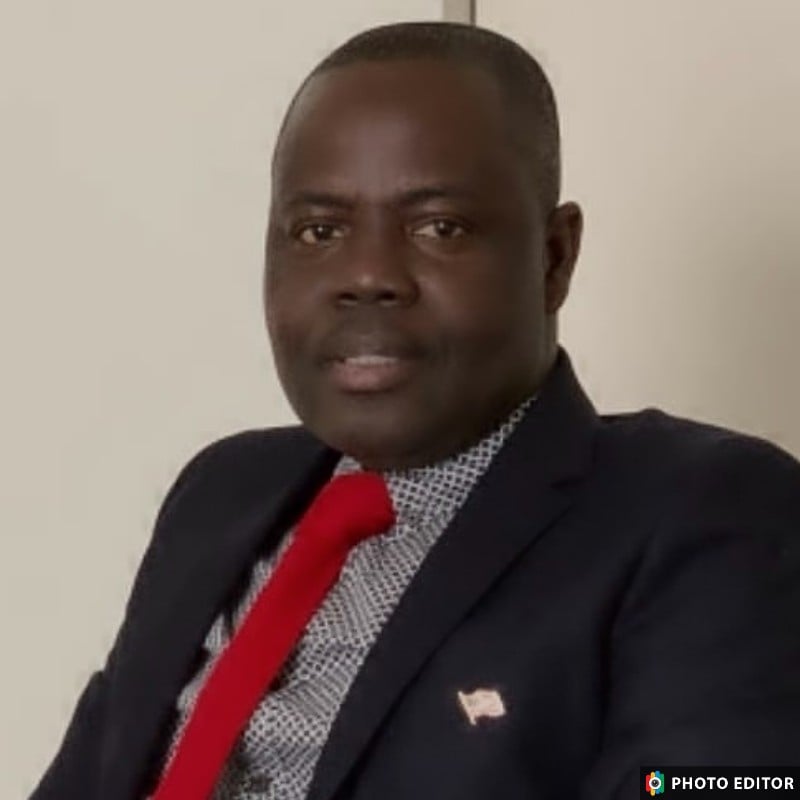
Ghana’s political landscape is often described as a battleground—not for the nation’s future, but for personal power, survival, and fleeting influence. This observation, starkly articulated by political analyst Kwodwo Oppong Nkrumah, cuts to the core of a systemic flaw: a political culture that systematically prioritizes individual gain over collective progress. His critique reveals a disturbing truth: Ghana’s development is not hindered by external factors like economic instability or global competition, but by an internal logic where politicians operate on a different set of rules—rules that often contradict the public good.
At its heart, Ghanaian politics is a zero-sum game where every victory for one faction is perceived as a loss for another. This mindset fosters an environment where national development is an afterthought, overshadowed by the relentless pursuit of personal and partisan interests. Nkrumah’s analysis exposes three critical realities that define this political dynamic:
1. The Illusion of Public Service: When Politicians Serve Themselves First
The foundation of Ghanaian politics, according to Nkrumah, is built on a fundamental distrust: No politician is truly working for you. Campaign promises, grand manifestos, and emotional speeches are often strategic tools designed to secure votes, not deliver sustainable change. Once elected, the priorities shift—power retention, network consolidation, and financial enrichment take precedence over policy implementation.
This disconnect between rhetoric and reality is not accidental. Politicians are professional self-preservers, constantly calculating how policies can either solidify their base or expand their influence. When a leader’s primary concern is re-election or survival, development becomes a secondary concern, if it is considered at all. The result? Short-term fixes that offer no lasting impact, followed by blame-shifting when failures occur.
Nkrumah warns that the people who elected them are often forgotten once the political calculus changes. The masses become tools for mobilisation, not partners in progress. This transactional relationship—where loyalty is exchanged for patronage—creates a culture of dependency rather than self-sufficiency. When citizens realise they are not the priority, disillusionment sets in, and the cycle of political apathy deepens.
2. The Fragility of Loyalty: Why Political Alliances Are Temporary and Dangerous
Engaging with Ghanaian politics, Nkrumah argues, is akin to navigating a jungle of shifting alliances. Loyalty is not a moral commitment but a tactical necessity—one that can be discarded at the first sign of personal benefit. This transactional nature of political relationships means that trust is a luxury, and betrayal is a certainty.
Those who align themselves with politicians must always be vigilant, because loyalty is conditional. A supporter today may be an enemy tomorrow if they no longer serve the politician’s agenda. Nkrumah’s warning is clear: “Someone is being used—and if you can’t identify who that person is, then it is you.” In every political transaction, someone is the pawn, and the question is not if you will be used, but when.
This culture of exploitation extends beyond individual relationships. Entire institutions—government agencies, civil society groups, and even opposition factions—often become extensions of personal power, rather than neutral platforms for national progress. When competence is secondary to political loyalty, Ghana’s administrative machinery weakens, and meritocracy is replaced by cronyism.
3. The Cost of Political Proximity: Why Serving Power Brokers Is a One-Way Street
For those who choose to engage with Ghanaian politics—whether as activists, bureaucrats, or grassroots organisers—the risks are profound and asymmetrical. Nkrumah describes political proximity as a high-stakes gamble, where the rewards are never yours to keep, and the enemies are always left for you to manage.
The dynamic is simple: You fight their battles, you bear their burdens, and you sacrifice your stability—while they reap the rewards. When a politician wins an election, secures a contract, or lands a high-profile appointment, your role in their success is often erased. The same politicians who relied on your networks, your influence, or your sacrifices will quickly move on once their goals are met. Meanwhile, you are left with the fallout—public backlash, institutional distrust, or even personal danger.
Nkrumah’s advice is blunt: “Never weigh more than they believe.” Politicians will always prioritise their own survival, and your contribution will be seen as expendable. He cautions against sacrificing your future for theirs, urging individuals to protect their integrity, their stability, and their long-term interests. The reality is that politicians will not cross rivers for you—they will not even cross puddles. You are the one who drowns in their political tides.
This asymmetry of risk and reward explains why many Ghanaians, after years of service, feel betrayed and disillusioned. The illusion of shared purpose is quickly replaced by the harsh reality: politics is a game where the rules are written by those in power, and the players are always the losers.
The Stagnation of National Development: A Political Culture That Fails the Nation
Ghana’s struggles in economic growth, institutional stability, and social cohesion are not merely the result of external pressures. They are direct consequences of a political system that prioritises personal ambition over national transformation. When leaders chase power instead of progress, when loyalty is transactional rather than principled, and when citizens are treated as assets rather than partners, development becomes an impossible dream.
The structural flaws in Ghana’s political culture manifest in several ways:
– Weak Institutions: When appointments are based on political loyalty rather than competence, government agencies lose their effectiveness. Corruption thrives, and public trust erodes.
– Short-Term Policies: Leaders implement quick fixes to appease voters rather than long-term strategies that ensure sustainable growth. Infrastructure projects stall, education systems decline, and healthcare remains underfunded.
– Social Fragmentation: A zero-sum mentality encourages tribalism, regionalism, and partisan division, weakening national unity. When political survival is more important than national cohesion, the fabric of society tears.
– Brain Drain and Disillusionment: The best minds—doctors, engineers, academics—leave the country not because of economic hardship alone, but because they no longer believe in the system. When politics offers no path to meaningful change, talent flees.
Ghana’s potential is undeniable, but its realisation is constantly thwarted by a political class that sees the nation as a resource to exploit, not a legacy to build. Without a fundamental shift in mindset, where national interest is prioritised over personal gain, the cycle of stagnation will continue.
A Call for Accountability: Rebuilding Trust in Ghana’s Political Future
Kwodwo Oppong Nkrumah’s observations are not just a critique—they are a call to action. The first step toward meaningful change is awareness: recognising that Ghana’s political culture is not designed for development, but for personal and partisan advantage. Until this reality is acknowledged, demands for better leadership will remain unfulfilled.
The path forward requires three critical shifts:
1. Demanding Accountability: Citizens must hold leaders to their promises, not just during elections, but in governance. Transparency in appointments, spending, and policy implementation must become non-negotiable.
2. Building Alternative Institutions: Civil society, independent media, and non-partisan think tanks must strengthen to counterbalance political influence. A well-informed electorate is the best defence against self-serving leadership.
3. Rejecting the Culture of Exploitation: Those who engage with politics—whether as activists, bureaucrats, or voters—must protect their interests. Loyalty should be earned, not demanded, and sacrifices should be calculated, not blind.
Ghana’s future does not lie in more of the same politics—it lies in a political culture that finally puts the nation first. Until then, development will remain a distant dream, and the cycle of personal ambition over public good will continue to hold the country back.
As Nkrumah’s analysis reminds us, the greatest obstacle to Ghana’s progress is not external—it is internal. The question is no longer whether change is possible, but whether Ghanaians will demand it.