


Ghana’s entertainment industry has once again proven its ability to captivate audiences with a mix of raw honesty, high-stakes drama, and unexpected revelations. Between March 9 and March 13, the sector was dominated by financial sacrifices behind the scenes, family feuds, legal controversies, political aspirations, and personal revelations that left fans both shocked and intrigued. Below is a detailed breakdown of the five most impactful stories that defined the week, offering deeper insights into the complexities of Ghana’s vibrant showbiz landscape.
1. The Financial Sacrifices Behind Ebony Reigns’ Rise: Ricky Nana Agyemang’s Raw Confession
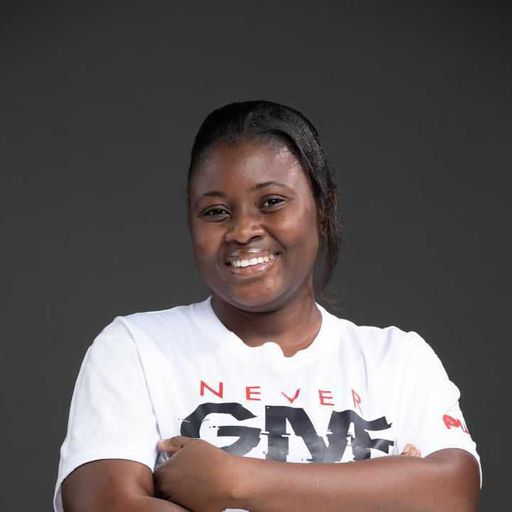
In a rare and emotionally charged interview, Ricky Nana Agyemang, the founder of RuffTown Records, laid bare the financial struggles he endured while nurturing the late Ebony Reigns during her early career. The music executive admitted that to promote Ebony and sustain her career, he took out multiple personal loans, accumulating debts that still weigh on him years after her untimely death in 2015.
Nana Agyemang revealed that the financial burden nearly pushed him to the brink of legal trouble, had it not been for the sudden emergence of another successful artiste under RuffTown shortly after Ebony’s passing. His confession underscores the hidden sacrifices many industry insiders make to shape Ghana’s music scene, often at personal cost.
“I took loans from everywhere—family, friends, even strangers. At one point, I thought about giving up, but Ebony’s talent was too real to abandon,” he disclosed, adding that the emotional toll of her death compounded the financial stress.
This revelation has sparked discussions about the unsung heroes in Ghana’s entertainment industry—those who operate behind the scenes, often in silence, to launch careers that later become global sensations.
2. Daddy Lumba’s Family Feud: The Demotion of Abusuapanin Victor Kofi Owusu Boahen
The highlife legend’s legacy took another dramatic turn this week as reports emerged that Daddy Lumba’s family had stripped Abusuapanin Victor Kofi Owusu Boahen of his role as family head. The decision follows months of bitter disputes centered around the organization of the musician’s funeral and internal power struggles within the extended family.
According to insiders, Boahen’s leadership was questioned due to allegations of mismanagement in coordinating the late singer’s final rites, which reportedly ignored traditional protocols and displeased key family members. The development has ignited public debate, with fans and industry observers questioning whether such family infighting could undermine the preservation of Lumba’s cultural legacy.
“This is a sad day for the Lumba family. Daddy Lumba’s music transcends generations, and now we see his own blood turning against each other,” remarked a longtime collaborator who requested anonymity.
The fallout from this family rift has also raised concerns about how celebrity legacies are handled post-mortem, particularly in high-profile Ghanaian households where traditional and modern values clash.
3. Shatta Wale vs. EOCO: The Stolen Car Saga and Its Fallout
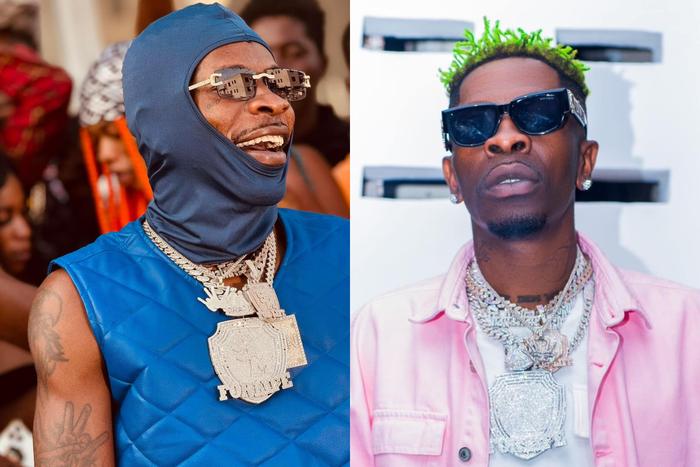
Dancehall superstar Shatta Wale has publicly demanded an apology from the Economic and Organised Crime Office (EOCO) after allegations linked him to a stolen luxury vehicle in a high-profile case. The musician vehemently denied any involvement, stating that the allegations damaged his reputation and cost him significant business opportunities.
In a scathing statement, Shatta Wale accused EOCO of mishandling the case, claiming that the lack of transparency in their investigation tarnished his brand and alienated potential partners. He emphasized that he had no knowledge the vehicle was connected to any criminal activity and that the entire situation was a miscarriage of justice.
“This has been a nightmare. I’ve lost deals, sponsorships, and even trust from my fans. How can I move forward when my name is being dragged through the mud without proper evidence?” he questioned during a press conference.
The controversy has fueled debates about celebrity accountability and the impact of baseless allegations on careers. Meanwhile, EOCO has not yet responded to Shatta’s demands, leaving the fallout unresolved—a situation that could escalate further if no resolution is reached.
4. Shatta Wale’s Political Ambitions: “I Want to Serve the People”

In a surprising turn of events, Shatta Wale hinted at a potential foray into Ghanaian politics, declaring during a radio interview that he would consider contesting a parliamentary seat if encouraged by the public.
“If the people want me to serve them in a different way, I’m ready. Politics is about service, not power. I’ve spent my life entertaining, now maybe it’s time to entertain the nation in a different way,” he stated, reiterating his commitment to public service.
His comments have ignited a firestorm of reactions, with supporters praising his willingness to contribute beyond music, while critics questioning his preparedness for the political arena. Some have speculated that such a move could elevate his influence in national discourse, while others warn of potential conflicts of interest given his high-profile status.
This bold declaration has positioned Shatta Wale as a potential game-changer in Ghana’s political landscape, blurring the lines between entertainment and governance in a way that few celebrities have attempted.
5. LilWin’s DNA Revelation: A Father’s Calm Acceptance of the Unexpected

Comic actor and filmmaker Kwadwo Nkansah (LilWin) delivered a shocking yet mature revelation when he disclosed that a DNA test confirmed he is not the biological father of a child he had raised for nearly a decade. The news caught fans off guard, given LilWin’s open and affectionate portrayal of fatherhood in his work.
In an emotional interview, LilWin admitted he had suspected the truth for some time but chose not to react with anger upon confirmation. Instead, he encouraged other men facing similar situations to stay calm and avoid emotional outbursts, emphasizing that parenting is about love, not biology.
“I was devastated, but I also felt a sense of relief. The child is part of my life, and I will always be there for them. My message to other fathers in similar situations is to handle it with grace,” he said.
This unexpected disclosure has sparked conversations about parenthood, identity, and societal expectations in Ghana. It also humanizes LilWin, showing that even public figures grapple with personal complexities that often remain hidden from the spotlight.
The Bigger Picture: What These Stories Tell Us About Ghana’s Entertainment Industry

The stories of the past week highlight the dynamic and often unpredictable nature of Ghana’s entertainment sector. From financial struggles behind the scenes to family feuds, legal battles, political ambitions, and personal revelations, the industry continues to push boundaries—both in creativity and controversy.
-
The Hidden Costs of Success – Behind every global star, there are unsung heroes—managers, producers, and executives who sacrifice financially and emotionally to shape careers. Ricky Nana Agyemang’s confession humanizes the industry, reminding us that success is rarely a solo journey.
-
Legacy vs. Infighting – The Daddy Lumba family dispute serves as a cautionary tale about how celebrity legacies can be undermined by internal conflicts. It raises questions about how families should preserve cultural heritage without falling into power struggles.
-
Celebrity Accountability in the Digital Age – Shatta Wale’s EOCO saga underscores the need for transparency in how celebrities are investigated and how allegations are handled. The lack of due process can destroy reputations overnight, a lesson that both institutions and public figures must heed.
-
The Blurring Lines Between Entertainment and Politics – Shatta Wale’s political aspirations reflect a growing trend in Africa, where celebrities are increasingly seen as potential political leaders. While this expands influence, it also raises concerns about conflicts of interest and public perception.
-
Parenthood Beyond Biology – LilWin’s DNA revelation challenges traditional notions of family, showing that love and commitment can transcend biological ties. His mature response sets a positive example for others facing similar situations.
What’s Next?
As Ghana’s entertainment industry continues to evolve, fans can expect more drama, innovation, and unexpected twists. Whether it’s new political forays, unresolved legal battles, or personal confessions, the showbiz scene remains a fertile ground for storytelling**—both on and off the screen.

One thing is certain: Ghana’s entertainment landscape is far from boring, and the best is yet to come. Keep an eye out for further developments as these stories unfold in the weeks ahead.