


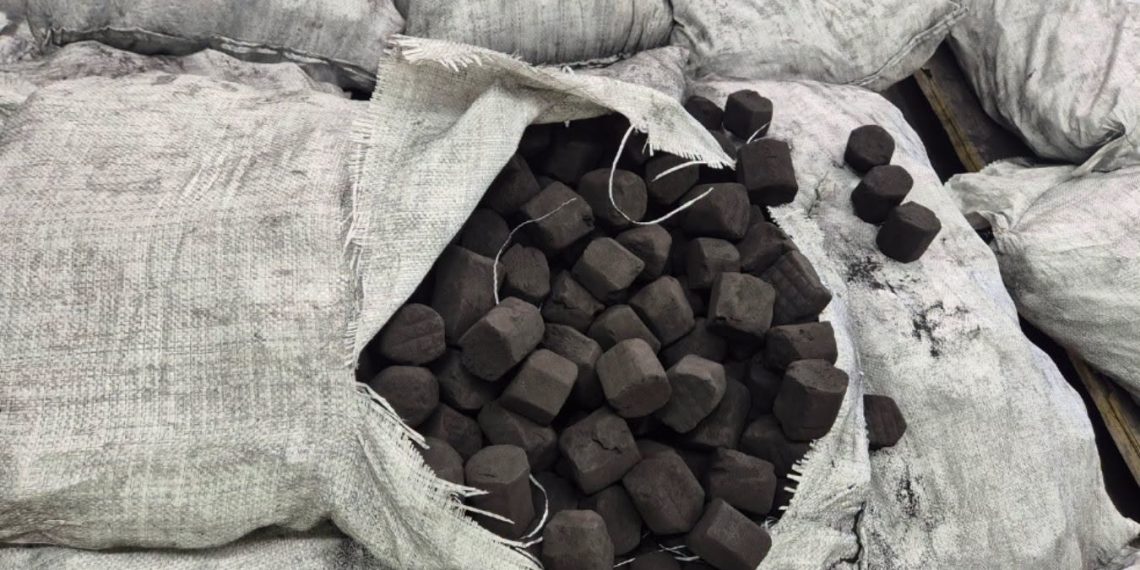
The National Anti-Drug Coordination Committee (NACOC) of Ghana has initiated a comprehensive investigation into a recent massive drug seizure in Australia, which authorities suspect may have Ghanaian connections. The operation, which resulted in the confiscation of hundreds of kilograms of cocaine and other illicit substances, has raised serious concerns about transnational drug trafficking networks operating with alleged ties to Ghanaian nationals.
Background of the Drug Seizure in Australia
Australian law enforcement agencies, in collaboration with international partners, recently busted a major drug smuggling operation at a port in Sydney. The raid, conducted under Operation Black Widow, led to the seizure of over 200 kilograms of cocaine, along with smaller quantities of methamphetamine and MDMA. Authorities also arrested six individuals, including two suspected Ghanaian nationals, who were allegedly involved in the distribution and transportation of the drugs.
The drugs were reportedly hidden in shipping containers disguised as legitimate cargo, a common tactic used by traffickers to bypass customs and border controls. Investigators believe the operation was part of a larger international drug syndicate that operates across multiple continents, including Africa, Europe, and the Americas.
NACOC’s Role in the Investigation
In response to the development, the Ghanaian government, through NACOC, has formally requested detailed information from Australian authorities regarding the case. The committee, which serves as the national body responsible for combating drug abuse and trafficking, has launched a high-level probe to determine whether Ghanaian individuals or entities were involved in the operation.
NACOC’s Director-General, Dr. Kwame Agyeman, stated in a press briefing that the committee is working closely with the Ghana Police Service, the Ghana Immigration Service, and international law enforcement agencies to gather evidence. He emphasized that Ghana is not a transit point for drugs, but the country remains vulnerable to exploitation by transnational criminal networks.
Potential Ghanaian Involvement and Concerns
While no official charges have been filed against Ghanaian nationals in this case, the involvement of two suspected Ghanaian individuals in the Sydney operation has sparked alarm among Ghanaian authorities. The Ghanaian High Commission in Australia has been engaged in diplomatic efforts to assist in the investigation, ensuring that any Ghanaian citizens implicated are treated fairly under the law.
Experts warn that the case highlights growing concerns about Ghana’s role in the global drug trade, particularly as the country emerges as a hub for financial transactions and logistics. Some analysts suggest that Ghanaian money laundering networks may be facilitating drug trafficking operations, though no concrete evidence has yet been presented.
Government and Law Enforcement Response
The Ghanaian government has reaffirmed its commitment to combating drug trafficking, with President Nana Addo Dankwa Akufo-Addo previously declaring a state of emergency on drug abuse in 2020. Since then, NACOC has intensified efforts to disrupt drug supply chains, including increased border patrols, public awareness campaigns, and international cooperation.
In a recent address, the Minister of Interior, Mr. Ambrose Dery, called for stricter enforcement measures, including harsher penalties for drug traffickers and enhanced intelligence-sharing with global partners. He also urged citizens to report suspicious activities, particularly those involving unusual financial transactions or large cash movements.
International Cooperation and Future Steps
The Australian Federal Police (AFP) has expressed willingness to cooperate with Ghanaian authorities, offering technical assistance and intelligence sharing to help trace the origins of the seized drugs. NACOC is also seeking support from the United Nations Office on Drugs and Crime (UNODC) and Interpol to strengthen its investigative capabilities.
As the investigation progresses, NACOC is expected to conduct raids on suspected drug trafficking hotspots in Ghana, including major ports, financial institutions, and border towns. The committee has also announced plans to launch a nationwide crackdown on money laundering activities linked to drug trafficking.
Public Awareness and Prevention Efforts
In addition to law enforcement actions, NACOC is ramping up public awareness campaigns to educate citizens on the dangers of drug abuse and trafficking. The committee has partnered with schools, religious organizations, and community leaders to promote drug-free lifestyles and report suspicious behavior.
A new hotline, 055-123-4567, has been established for citizens to confidentially report drug-related activities, including suspicious shipments, money transfers, or known traffickers. NACOC has also launched a digital platform where individuals can anonymously submit tips to law enforcement.
Conclusion: A Call for Unified Action
The Sydney drug seizure case serves as a wake-up call for Ghana, underscoring the urgent need for a coordinated response to combat drug trafficking. While the country has made progress in recent years, the involvement of Ghanaian nationals in international drug operations demands immediate and decisive action.
NACOC’s ongoing investigation will determine the extent of Ghana’s involvement, but the government has reiterated its zero-tolerance policy toward drug trafficking. With strengthened enforcement, international cooperation, and public vigilance, Ghana aims to disrupt these criminal networks and protect its citizens from the scourge of drug abuse.
As the probe unfolds, all stakeholders—government agencies, law enforcement, and citizens—must remain alert to ensure that Ghana does not become a transit or destination hub for illicit drugs. The fight against drug trafficking is not just a law enforcement issue but a national security priority, and every Ghanaian has a role to play in keeping the country safe and drug-free.