
Ghana’s entertainment industry has once again proven its ability to captivate audiences with a mix of raw honesty, high-stakes drama, and unexpected revelations. Between March 9 and 13, the sector was dominated by financial sacrifices behind the scenes, family feuds, legal controversies, political aspirations, and personal revelations that left fans both shocked and intrigued. Here’s a detailed breakdown of the five most talked-about stories that defined the week, offering a glimpse into the complexities of Ghanaian showbiz.
1. The Financial Sacrifices Behind Ebony Reigns’ Rise: Ricky Nana Agyemang Opens Up
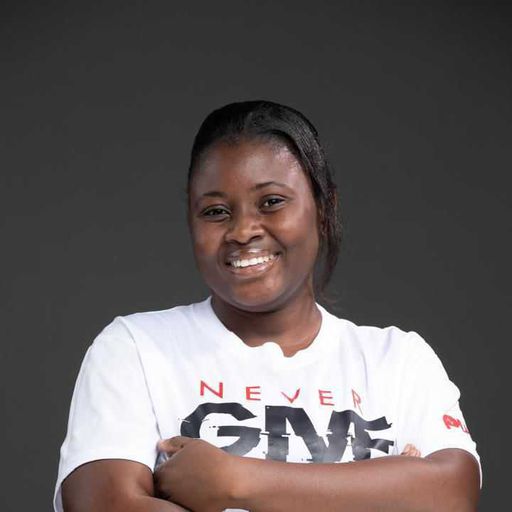
In a rare and candid interview, Ricky Nana Agyemang, the founder of RuffTown Records, has laid bare the financial struggles he endured while nurturing the late Ebony Reigns during her early career. The music executive revealed that he took out multiple personal loans to fund Ebony’s promotions, a decision that left him deep in debt—a burden he continues to repay years after her untimely death in 2015.
Nana Agyemang disclosed that the financial strain was so severe that he risked legal consequences had another artist under his label not emerged shortly after Ebony’s passing. His confession underscores the hidden sacrifices many industry insiders make to propel rising stars, often at their own personal expense. The interview has sparked newfound respect for his dedication while also highlighting the unseen challenges faced by those who shape Ghana’s music landscape.
2. Daddy Lumba’s Family Feud: Victor Kofi Owusu Boahen Removed as Family Head Amid Funeral Disputes
The highlife legend Daddy Lumba’s legacy has been overshadowed by internal family conflicts following his 2023 passing. Reports indicate that Abusuapanin Victor Kofi Owusu Boahen, who had been serving as the family head, has been formally removed from his role after months of disputes centered around the organization of his funeral.
The rift reportedly stemmed from differences in how the funeral should have been conducted, with some family members alleging lack of transparency and respect in the arrangements. The decision has ** reignited public debates about the management of Ghanaian celebrities’ estates, particularly when family dynamics come into play. As discussions continue, the incident serves as a cautionary tale about the importance of clear succession planning** within influential families.
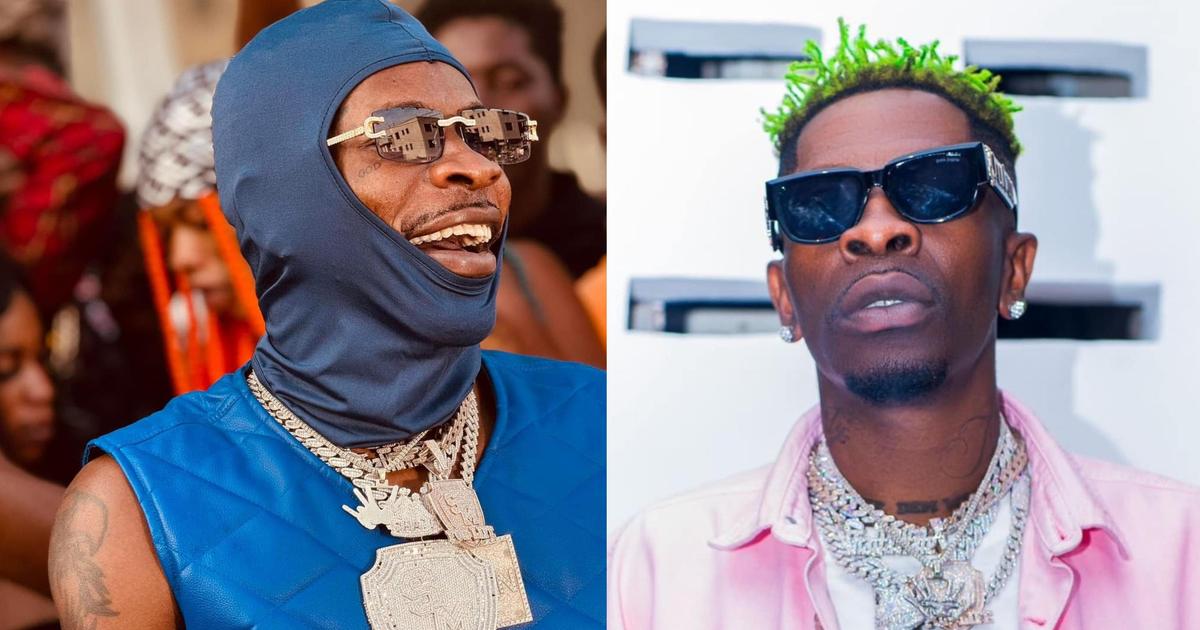
3. Shatta Wale vs. EOCO: The Stolen Car Saga and Its Impact on His Career
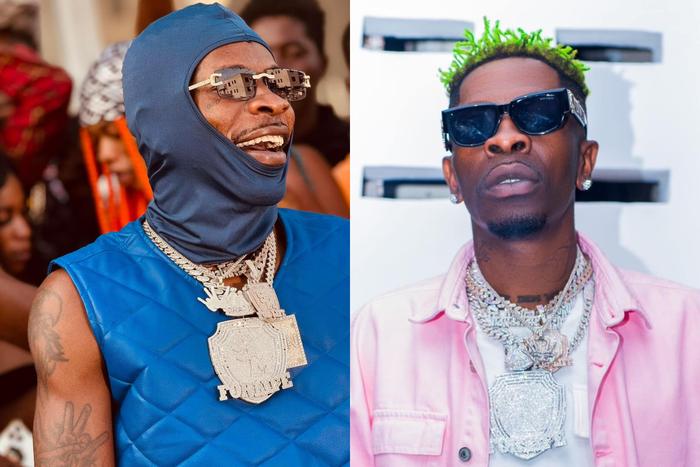
Dancehall superstar Shatta Wale has publicly demanded an apology from the Economic and Organised Crime Office (EOCO) over allegations linking him to a stolen luxury vehicle. The musician claimed that the baseless accusations not only damaged his reputation but also cost him multiple business opportunities, including potential collaborations and endorsements.
Shatta Wale insisted in a press statement that he had no knowledge that the vehicle was tied to any criminal activity and that the mishandling of the case unfairly tarnished his brand. His frustration is understandable, given that such allegations can derail careers in an industry where perception is everything. The incident has fueled calls for greater accountability in how law enforcement agencies handle celebrity-related cases, ensuring that innocent individuals are not unfairly targeted.
4. Shatta Wale Eyes Politics: “I Want to Serve the People”

In a surprising turn of events, Shatta Wale has hinted at a potential foray into politics, stating during a radio interview that he would consider contesting a parliamentary seat if encouraged by the public. The artist emphasized that his primary motivation would be public service, not personal gain—a sentiment that has sparked both support and skepticism among Ghanaians.
His comments come at a time when celebrity politics is a growing trend in Africa, with artists like Burna Boy (Nigeria) and Wizkid (Nigeria) exploring political ambitions. Shatta Wale’s declaration has ignited debates about whether celebrities can effectively serve in government, given their diverse backgrounds and public personas. While some see it as a bold step toward civic engagement, others remain cautiously optimistic, waiting to see how his potential campaign would unfold.
5. LilWin’s Shocking DNA Revelation: “I’m Not the Biological Father of the Child I Raised for a Decade”
Comedian and filmmaker Kwadwo Nkansah, popularly known as LilWin, has delivered a bombshell revelation after undergoing a DNA test that confirmed he is not the biological father of a child he raised for nearly ten years. The actor admitted that he had suspected the truth for some time but chose not to react with anger upon learning the result.
Instead, LilWin used his platform to advocate for emotional maturity, urging men in similar situations to stay calm and avoid impulsive reactions. His openness about the experience has resonated deeply with fans, who see it as a testament to his growth and resilience. The story also highlights the complexities of fatherhood, especially in cases where biological paternity is not immediately apparent, and serves as a reminder of the importance of love and commitment over blood relations.
A Week of Highs, Lows, and Unanswered Questions



From financial struggles behind the scenes to family feuds, legal battles, political ambitions, and personal revelations, Ghana’s entertainment industry continues to deliver drama in abundance. These stories not only entertain but also challenge perceptions of fame, responsibility, and public service.
As the week draws to a close, one thing is clear: Ghana’s showbiz scene remains dynamic, with no shortage of surprises on the horizon. Whether it’s industry insiders sharing untold stories, celebrities redefining their legacies, or new voices emerging, the pulse of Ghanaian entertainment continues to beat strongly—and fans can only wait in anticipation for what the next week will bring.
Stay tuned for more updates as the industry evolves.