


Raising multilingual children in Ghana: Why our languages are not a burden – I grew up learning Ga at home, English at school and Twi from the community, i.e., at church, among friends, at school. I did not grow up confused. I grew up connected to my family, my culture and the world around me. Yet today, a growing number of Ghanaian families are making a deliberate choice to speak only English at home, out of fear that exposing children to more than one language will slow them down, cause confusion, or affect their academic performance. As a speech-language therapist, I want to gently but clearly challenge that assumption.
One of the most common concerns I hear from parents is: “Won’t speaking multiple languages confuse my child?” The short answer is no. Children are remarkably capable language learners. When they hear languages used regularly in meaningful, loving and consistent contexts at home, in the community, at church, at the mosque, they do not become confused. They become adaptable. Research consistently shows that multilingual children develop strong communication flexibility, the ability to perspective-take and the capacity to navigate different social and cultural settings with confidence. What can cause difficulty is not multilingualism itself, but rather inconsistency, lack of exposure or shame around language use.
Ghana is home to over 80 beautiful languages. Akan, Ga, Ewe, Dagbani, Nzema, these are not just means of communication. They are vessels of identity, history and belonging. When a child grows up unable to speak to their grandmother in her language, something deeper than vocabulary is lost. The stories, the proverbs, the way of seeing the world encoded in those languages, all of it becomes inaccessible. Grandparents and older caregivers play a powerful role here. Children benefit enormously when the people who love them communicate in the language they are most expressive and comfortable in. These interactions build vocabulary, cultural knowledge and family bonds that no English-only policy at home can replicate.
It is not difficult to understand why parents lean towards English. English is the medium of instruction in most Ghanaian schools. It is associated with academic success, professional opportunity, and upward mobility. These are real and valid concerns. But the choice is not between English and Ghanaian languages; it is between English alone and English alongside our mother tongues.
In fact, research in language and literacy development shows that children who have a strong foundation in their first language tend to perform better when learning additional languages, including English. A child who can think, reason and express themselves fluently in Ga or Twi is not disadvantaged in learning English. Not at all! They are better equipped for it.
Ghana’s language-in-education policy itself recognises the importance of using a child’s home language as the medium of instruction in the early years of schooling. Prioritising English at the expense of our indigenous languages is therefore not only a cultural loss, it goes against our own national policy.
Many parents also worry when their child mixes languages or speaks a Ghanaian language with what we loosely call an “accent” or “slang.” This is not a sign of failure. Multilingual speakers naturally blend languages and develop speech patterns shaped by all the languages around them. It is a normal, healthy feature of multilingual communication and not a problem to be corrected or a source of shame. Children should never be made to feel embarrassed for speaking a Ghanaian language. Confidence grows when children feel accepted and respected across all parts of their identity.
Supporting multilingualism does not require books or formal lessons. It happens in everyday life, like telling stories in your mother tongue at bedtime, singing songs and reciting proverbs in your home language, allowing grandparents and community members speak to children in the language they know best, continuing using your home language naturally, even if your child responds in English and attending church, mosque, community events and social gatherings where local languages are used. Consistency and positive experience matter far more than perfection.
Schools also have a responsibility. Punishing children for speaking Ghanaian languages on school premises is a practice that still exists in some institutions and it’s harmful. It sends a message that a child’s home language, and by extension their family and culture, is inferior. Children learn best in environments where their full identity is respected, not suppressed.
I learnt Ga, English, and Twi not because someone planned it perfectly, but because I lived in a community and an era that valued all three. That multilingualism has been one of the greatest gifts of my life. Children of today deserve the same. Let us not, in our pursuit of English proficiency, rob them of their linguistic heritage. Our languages are not a burden. They are a birthright.
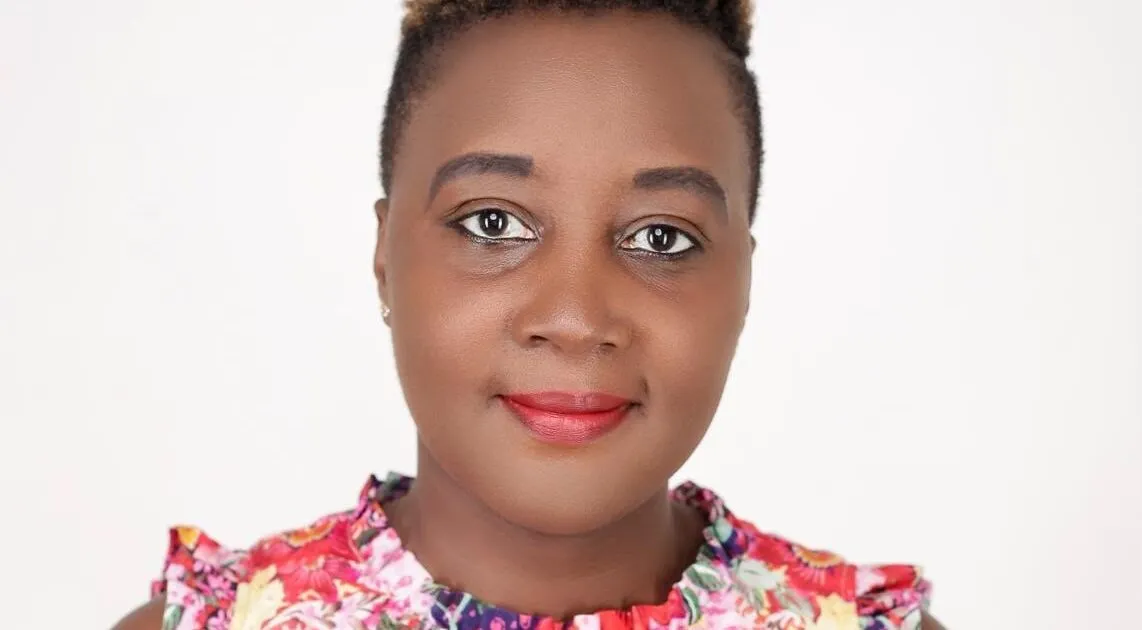
Author: Dr. Josephine Ohenewa Bampoe, Speech and Language Therapist, University of Ghana