


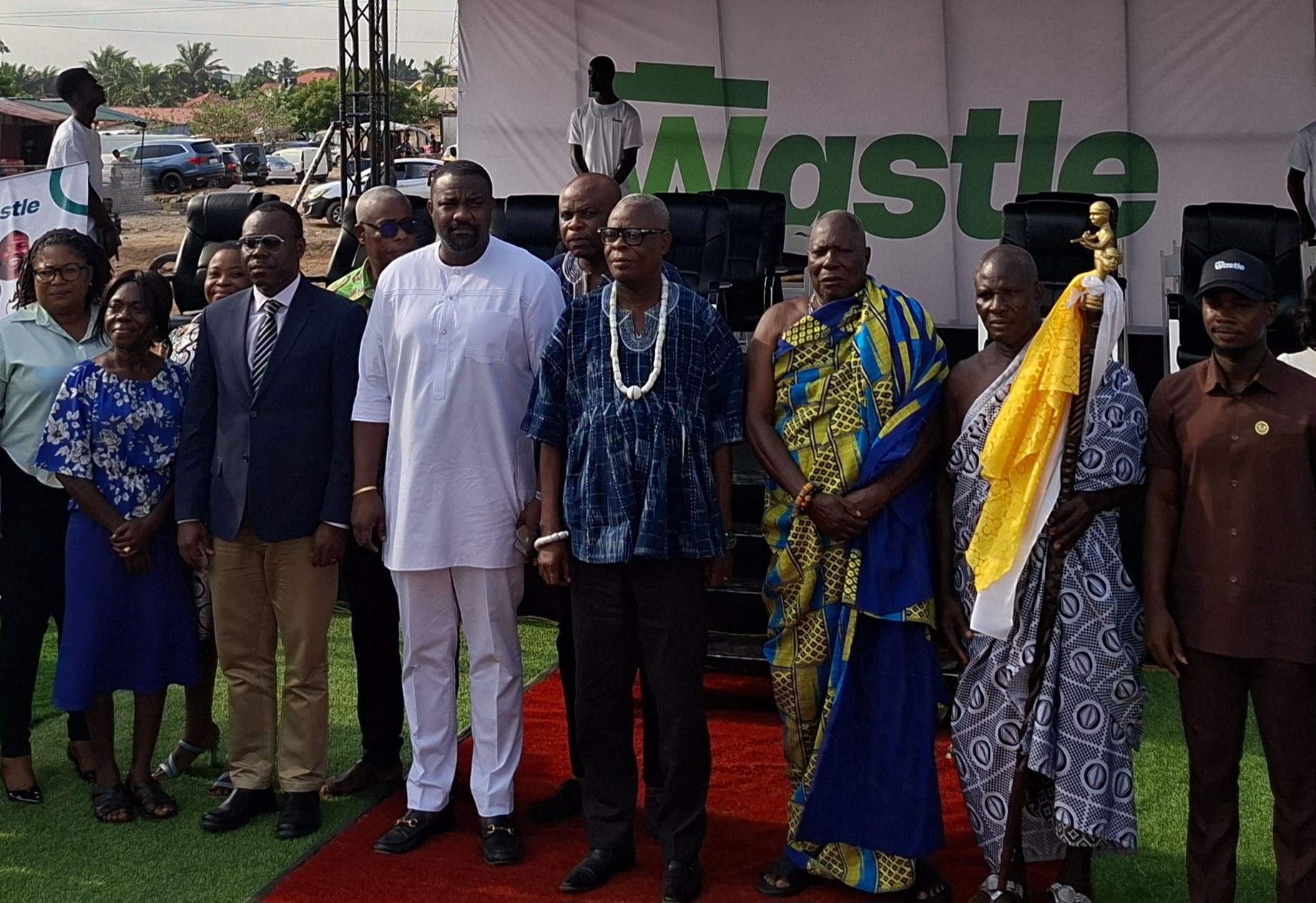
Ghana’s sanitation sector faces persistent challenges, with irregular waste collection, illegal dumping, and escalating urban waste volumes posing significant threats to public health and environmental sustainability. However, a growing consensus among policymakers, industry leaders, and community stakeholders suggests that technology-driven solutions could transform waste management—making services more reliable, transparent, and accessible. At the forefront of this innovation is AfriNova Waste Solutions Limited, whose newly launched Wastle platform aims to eliminate uncertainty in waste collection by integrating digital tools with traditional service delivery.
The Sanitation Crisis in Ghana: A Growing Concern
Ghana’s rapid urbanisation and economic growth have led to a surge in waste generation, outpacing the capacity of existing waste management infrastructure. Many households, businesses, and public institutions still rely on informal waste collectors—often tricycle operators—whose services are inconsistent, unpredictable, and frequently delayed. This reliance on chance encounters for waste disposal not only disrupts daily routines but also exacerbates environmental pollution, disease transmission, and economic losses.
According to the Institute of Statistical, Social and Economic Research (ISSER), poor sanitation imposes substantial economic burdens on the country, including increased healthcare costs, environmental degradation, and reduced productivity. The World Health Organization (WHO) estimates that inadequate waste management contributes to 22% of diarrheal diseases in Africa, further highlighting the urgency of reforming sanitation systems.
AfriNova’s Wastle Platform: Bridging the Gap Between Demand and Service
To address these challenges, Mr. Alex Kwame Donyinah, Managing Partner-Operations of AfriNova Waste Solutions Limited, introduced Wastle, an online waste management platform, at a recent launch event in Accra. The platform was developed in response to firsthand observations of Ghanaian communities, where residents—including children—often stand by roadsides, desperately waving at passing waste collectors in hopes of securing service.
“What began as a simple observation led us to question why families, businesses, and institutions should continue to depend on uncertainty for a basic service like waste collection?” Donyinah reflected. “In an era where smartphones, digital payments, GPS tracking, and artificial intelligence are reshaping industries, our waste management systems remain stuck in the past.”
Wastle is designed to democratise access to waste collection services by connecting users—whether households, commercial establishments, or public institutions—with certified waste collectors. Through the platform, users can:
– Schedule and request waste collection at their convenience.
– Track collection schedules in real-time via GPS-enabled tracking.
– Receive digital receipts for transactions, enhancing transparency.
– Access payment options, including mobile money and card payments, reducing cash-handling risks.
By digitising waste collection, Wastle aims to reduce reliance on informal operators, improve service reliability, and generate actionable data to optimise waste management strategies.
The Role of Technology in Transforming Waste Management
Donyinah emphasised that technology is not merely an add-on but a necessary catalyst for systemic change in Ghana’s sanitation sector. Key benefits of digital waste management include:
- Predictability and Accountability
-
Traditional waste collection is often characterised by unpredictable schedules, leading to overflowing bins and unsanitary conditions. Wastle’s scheduling system ensures that users know exactly when collectors will arrive, reducing inconvenience.
-
Data-Driven Decision Making
-
The platform collects real-time data on waste generation patterns, collection efficiency, and service demand. This information can help municipalities and policymakers allocate resources more effectively, design better waste routes, and invest in scalable infrastructure.
-
Enhanced Safety and Hygiene
-
By formalising waste collection, Wastle reduces the risks associated with informal operators, such as unregulated dumping, exposure to hazardous waste, and workplace accidents.
-
Economic Opportunities
-
Beyond improving service delivery, digital waste management can create jobs in data analysis, logistics, and customer support. Additionally, it encourages recycling and waste-to-energy initiatives, turning waste into a sustainable economic resource.
-
Environmental Sustainability
- Efficient waste collection reduces landfill overflow, prevents air and water pollution, and supports Ghana’s circular economy goals by improving recycling rates.
Government and Stakeholder Support: A Collaborative Approach
The launch of Wastle was attended by representatives from the Ministry of Health, municipal health authorities, the education sector, and other key stakeholders, underscoring the platform’s potential to foster public-private partnerships in sanitation.
Mr. John Setor Dumelo, Deputy Minister of Food and Agriculture, commended AfriNova for pioneering such an innovative solution. He urged the company to maximise the platform’s potential by integrating recycling incentives, ensuring that waste is not just collected but properly processed and repurposed.
“Ghana’s waste challenge is not just about disposal—it’s about value creation,” Dumelo stated. “Wastle has the opportunity to bridge the gap between waste generation and recycling potential, turning a national burden into an economic opportunity.”
The Broader Implications: Innovation for Sustainable Development
Beyond immediate service improvements, Wastle represents a shift in mindset—positioning waste management as a development priority rather than an afterthought. Donyinah highlighted that the sector offers untapped potential for:
– Job creation in waste processing, logistics, and technology.
– Innovation in waste-to-energy and recycling technologies.
– Sustainable urban planning, where waste management is integrated into broader infrastructure development.
“Sanitation is not just about clean streets—it’s about health, economic growth, and environmental stewardship,” Donyinah said. “By leveraging technology, we can turn Ghana’s waste challenges into opportunities for progress.”
Looking Ahead: Scaling the Solution Nationwide
While Wastle marks a significant step forward, its success will depend on widespread adoption, government policies, and continued innovation. Key steps for scaling the platform include:
– Expanding digital literacy programs to ensure all communities—especially rural areas—can access the service.
– Partnering with local governments to integrate Wastle into municipal waste management strategies.
– Encouraging corporate and institutional adoption to reduce reliance on informal collectors.
– Investing in recycling infrastructure to complement collection services.
As Ghana strives to meet Sustainable Development Goal (SDG) 6 (Clean Water and Sanitation) and SDG 11 (Sustainable Cities and Communities), initiatives like Wastle demonstrate that technology, when combined with policy and community engagement, can drive meaningful change.
In a country where over 50% of urban waste is mismanaged, solutions like AfriNova’s Wastle platform offer a beacon of hope—proving that even the most pressing challenges can be transformed through innovation, collaboration, and a commitment to sustainable development.