


GIISDEC targets submission of iron and steel industry regulations to Parliament in three months – The Ghana Integrated Iron and Steel Development Corporation (GIISDEC) is targeting the submission of a proposed Legislative Instrument (LI) to Parliament within the next two to three months to regulate Ghana’s iron and steel industry.
The proposed regulation is expected to establish guidelines for activities across the upstream, midstream and downstream segments of the industry, including the scrap metal sector.
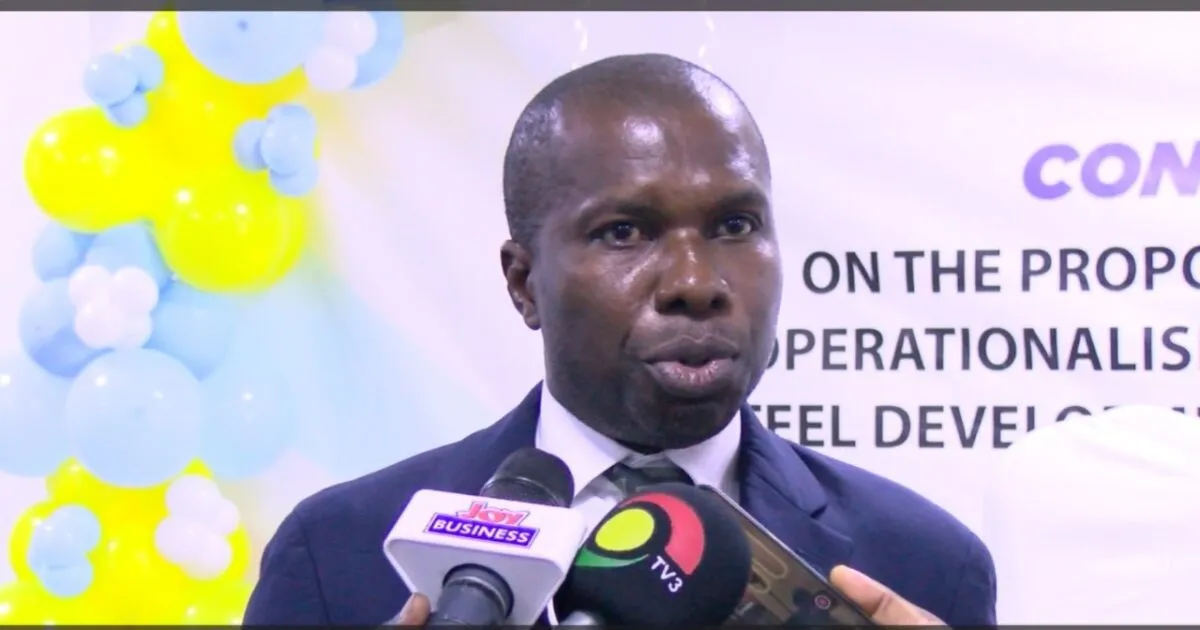
GIISDEC Chief Executive Officer, William Okofo Dartey, disclosed this at a stakeholders’ consultation forum in Accra on Thursday, November 26, 2026.
He said the consultation forms part of efforts to operationalise the Ghana Integrated Iron and Steel Development Corporation Act, 2019 (Act 988), and is intended to gather contributions from industry players and government agencies before the proposed LI is finalised.
Mr Dartey said the upstream component would cover mineral exploration, concessions, partnerships with investors, local content requirements and the benefits expected to accrue to the government and Ghanaian investors.
For the midstream sector, the proposed framework will guide the establishment and operation of steel processing plants, while promoting local value addition.
He noted that Ghana currently imports significant quantities of raw materials, including steel slabs, which local companies process into finished products.
The regulations, he said, would provide guidelines for the establishment and operation of such facilities while ensuring that the country derives greater benefits from its iron and steel resources.
On the downstream segment, Mr Dartey said GIISDEC intends to strengthen the marketing and use of locally produced steel products, particularly in the construction and infrastructure sectors.
He stressed the need to ensure that products entering the Ghanaian market meet required standards and offer value to consumers.
The GIISDEC CEO also identified the scrap metal sector as an important part of the proposed regulatory framework, describing it as a critical source of locally available raw materials for steel smelting companies.
He said the corporation had undertaken extensive stakeholder engagements over the past year, involving traditional authorities, district assemblies, industry players and communities in areas with iron ore deposits.
The engagements covered locations in the Oti, Northern and Western Regions, including the Shieni deposit in the Tatale-Zabzugu District, as well as Opomansi and Adunbanso.
GIISDEC has also visited steel manufacturing companies, including B5 Plus and Star Steel, to understand their operations and challenges, particularly their reliance on imported raw materials.
Mr Dartey said feedback from the engagements was being incorporated into the proposed regulatory framework.
Although Thursday’s meeting generated further contributions from government agencies and other stakeholders, he said the corporation was in the final stages of consultations.
He added that GIISDEC would continue engaging stakeholders over the next two to three months before submitting the proposed instrument to the Attorney-General’s Department for the necessary processes ahead of its presentation to Parliament.
The proposed LI is expected to provide a regulatory framework for the development of Ghana’s iron and steel industry, strengthen local participation and promote the country’s capacity to produce and process its own iron and steel resources.