


Ghana’s entertainment industry has once again proven its ability to captivate audiences with a mix of raw honesty, high-stakes drama, and unexpected revelations. Between March 9 and 13, the sector was dominated by explosive confessions, family feuds, and career-defining moments that left fans and critics alike buzzing. From the financial struggles of a legendary music executive to the emotional fallout of a DNA test, here’s a deep dive into the five most talked-about stories that defined this week in Ghanaian entertainment.
1. The Financial Sacrifices Behind Ebony Reigns’ Rise: Ricky Nana Agyemang’s Shocking Revelations
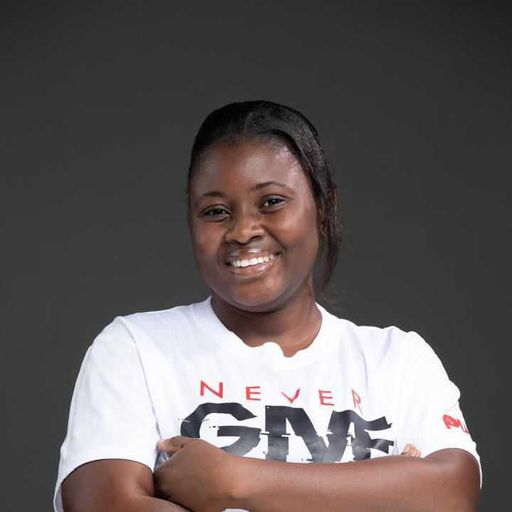
In a candid interview, Ricky Nana Agyemang, the founder of RuffTown Records, laid bare the financial burdens he endured while nurturing the late Ebony Reigns during her early career. The music mogul admitted that he took out multiple personal loans to fund Ebony’s promotions, including recording sessions and live performances, a decision that left him deep in debt for years after her untimely death in 2015.
Nana Agyemang revealed that the financial strain was so severe that he faced potential legal consequences had another artist under his label not emerged shortly after Ebony’s passing. His confession underscored the hidden sacrifices made by industry insiders to shape Ghana’s music landscape, raising questions about the unsung heroes behind the scenes.
“I took loans from friends, family, and even strangers just to keep Ebony’s career afloat,” he disclosed. “The pressure was unbearable, but I had to do it for her dream.”
This revelation has sparked discussions about artist support systems in Ghana, where many up-and-coming talents rely on the generosity of executives like Nana Agyemang.
2. Daddy Lumba’s Family Feud: The Demotion of Abusuapanin Victor Kofi Owusu Boahen
The highlife legend Daddy Lumba’s legacy continues to be overshadowed by family disputes, as his relatives have stripped Abusuapanin Victor Kofi Owusu Boahen of his role as the family head. The decision follows months of bitter arguments centered around the organization of the musician’s funeral and internal power struggles within the extended family.
Boahen, who had been tasked with overseeing the late singer’s final rites, found himself at the center of a public fallout after allegations of mismanagement and disrespect for Daddy Lumba’s wishes surfaced. The family’s decision to remove him from his position has reignited debates about family dynamics in Ghana’s entertainment elite, where loyalty and legacy often clash with ambition.
“This is a sad day for the Lumba family,” a close associate told reporters. “Daddy Lumba’s music will always live on, but the pain of these divisions is real.”
The fallout has also delayed plans for a posthumous tribute concert, adding another layer of complexity to an already turbulent period for the family.
3. Shatta Wale vs. EOCO: The Stolen Car Saga and a Call for Accountability
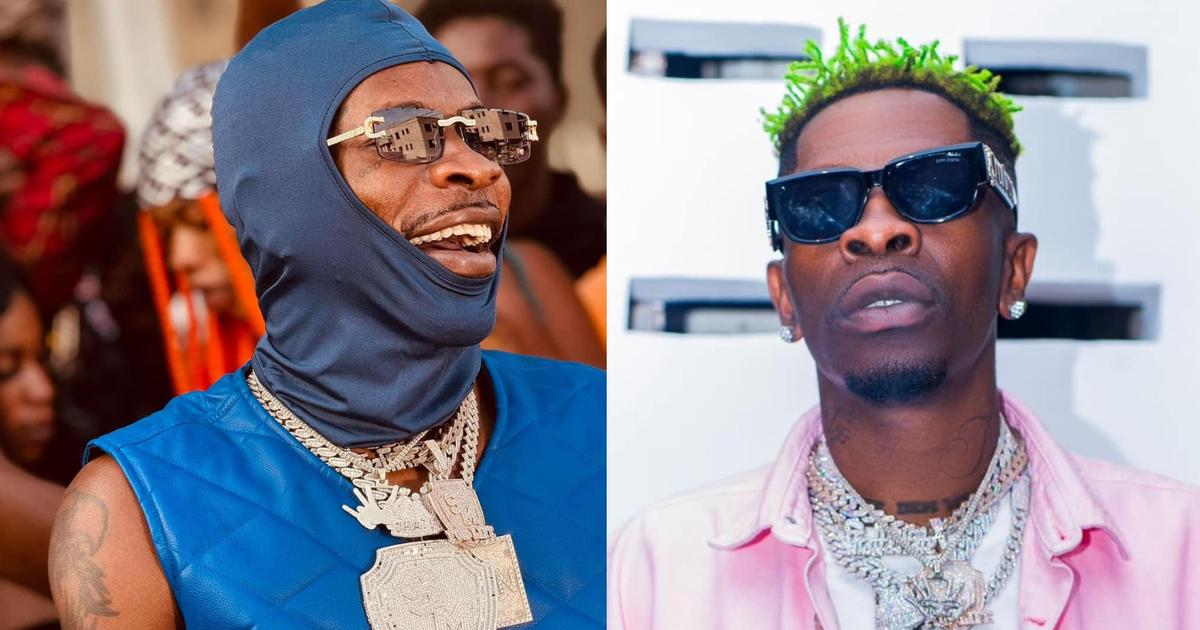
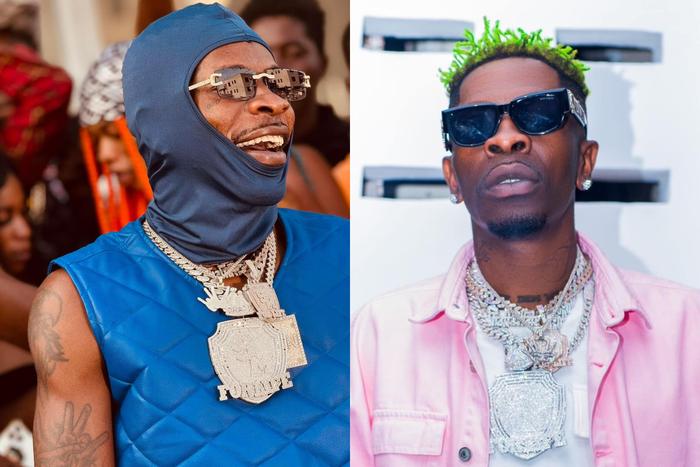
Dancehall superstar Shatta Wale has demanded an apology from the Economic and Organised Crime Office (EOCO) after a stolen luxury vehicle linked to his name damaged his reputation and cost him potential business deals. The musician, who has maintained his innocence, vehemently denied any involvement in the crime, stating that he was unaware the vehicle was part of an investigation.
“This situation was handled in a way that unfairly tarnished my brand,” Shatta Wale told journalists. “I’ve lost partnerships and opportunities because of baseless allegations, and I expect the EOCO to address this publicly.”
The incident has fueled speculation about police-industry relations in Ghana, with many fans and legal experts calling for transparency in how such cases are handled. Shatta Wale’s frustration has also amplified calls for reform in how law enforcement agencies manage celebrity-related cases.
4. Shatta Wale’s Political Ambitions: “I Want to Serve the People”

In a surprising turn of events, Shatta Wale hinted at a potential foray into politics, declaring during a radio interview that he would consider contesting a parliamentary seat if encouraged by his fans. The dancehall icon emphasized that his primary motivation would be public service, not personal gain—a stark contrast to the self-serving narratives often associated with celebrity politics.
“If the people want me to represent them, I will step up,” he said. “My goal is to bring real change, not just fame.”
His comments have ignited a national debate on whether Ghana’s entertainment stars can effectively transition into politics without compromising their credibility. While some supporters see this as a bold move toward social impact, critics warn of potential conflicts of interest and public expectations that may be hard to meet.
“Shatta Wale’s political ambitions could either inspire a new generation of engaged citizens or become another cautionary tale,” political analyst Kofi Amoako remarked.
5. LilWin’s DNA Revelation: The Emotional Fallout of a 10-Year Parenting Journey

Comedian and filmmaker Kwadwo Nkansah, better known as LilWin, delivered a shocking twist to his personal story when he revealed that a DNA test confirmed he is not the biological father of a child he had raised for nearly a decade. The revelation came after years of unresolved suspicions, with LilWin admitting he had avoided anger and instead chose calm acceptance.
“I suspected for a long time, but I never wanted to react out of emotion,” he shared in an emotional interview. “I’ve learned that life isn’t always what it seems, and it’s okay to handle things with maturity.”
His story has resonated deeply with fans and parents facing similar situations, prompting discussions about parental rights, DNA testing, and emotional resilience. LilWin’s advice to others in his position—to stay composed and avoid impulsive reactions—has become a talking point in Ghana’s parenting and entertainment circles.
“This is a reminder that family isn’t just about blood—it’s about love, commitment, and growth,” he added.
The Bigger Picture: What These Stories Tell Us About Ghana’s Entertainment Industry


This week’s headlines reflect the raw, unfiltered nature of Ghana’s entertainment sector—a space where celebrity, legacy, and personal struggles often collide. From financial sacrifices to family betrayals, from political aspirations to biological revelations, the stories underscore the complexities that come with fame in the country.
As the industry continues to evolve, fans can expect more drama, more transparency, and perhaps even more unexpected twists. Whether it’s executives speaking out about their struggles, artists redefining their legacies, or celebrities challenging societal norms, one thing is clear: Ghana’s entertainment scene is far from boring.
With new controversies brewing and unexpected career shifts on the horizon, the next few months promise to be just as gripping as the ones that have passed. One thing is certain—the pulse of Ghana’s entertainment industry is strong, and it’s only getting louder.