
Ghana’s entertainment industry has once again proven its ability to captivate audiences with a rollercoaster of revelations, controversies, and unexpected personal announcements. Between March 9 and March 13, the sector was dominated by explosive stories—ranging from financial sacrifices behind the scenes to family feuds, legal battles, and even political ambitions. Here’s a deep dive into the five most talked-about entertainment stories that defined the week, offering a glimpse into the complexities and drama that keep fans on the edge of their seats.
1. The Financial Sacrifices Behind Ebony Reigns’ Rise: RuffTown Records’ Ricky Nana Agyemang Speaks Out
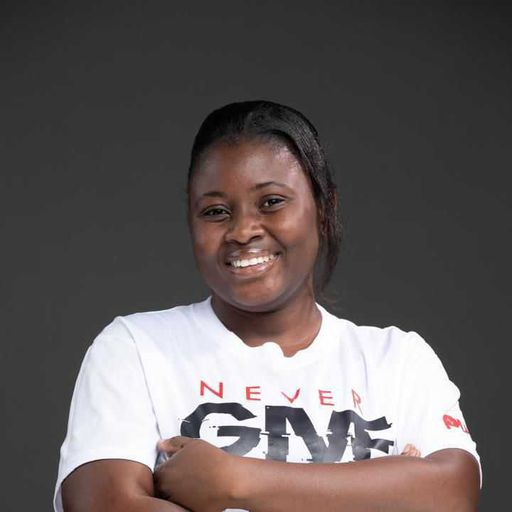
In a candid interview, Ricky Nana Agyemang, the visionary behind RuffTown Records, has laid bare the financial struggles he endured while nurturing the late Ebony Reigns during her early career. The music executive revealed that he took out multiple personal loans to fund Ebony’s promotions, leaving him with mounting debts that persist even years after her untimely death in 2015.
Agyemang disclosed that the financial burden was so severe that he risked legal consequences had another artist under his label not emerged shortly after Ebony’s passing. His confession underscores the hidden sacrifices made by industry moguls who often operate behind the scenes, ensuring the success of their talents—even at personal cost.
The revelation has sparked conversations about the unsung heroes of Ghana’s music industry, particularly those who invest heavily in artists before seeing substantial returns. Fans and industry insiders are now left questioning: How many other artists owe their rise to such personal financial risks?
2. Daddy Lumba’s Family Feud: Victor Kofi Owusu Boahen Removed as Family Head Amid Funeral Disputes
The highlife legend’s legacy continues to be marred by family divisions following the removal of Abusuapanin Victor Kofi Owusu Boahen from his role as the family head of the late Daddy Lumba. The decision, reportedly taken by the extended family, stems from months of disputes centered around the organization of the musician’s funeral and internal power struggles.
The development has reignited public scrutiny over how celebrities’ legacies are managed post-mortem, particularly in cases where family members clash over financial control, burial rites, or succession. With Daddy Lumba’s estate reportedly worth millions, the feud raises questions about transparency, respect for the deceased’s wishes, and the long-term impact on his musical heritage.
Industry observers suggest that such family conflicts could potentially derail memorial events and erode the respect due to a musical icon. The situation serves as a cautionary tale for other Ghanaian families navigating similar challenges.
3. Shatta Wale vs. EOCO: The Stolen Car Saga and Its Fallout on His Career
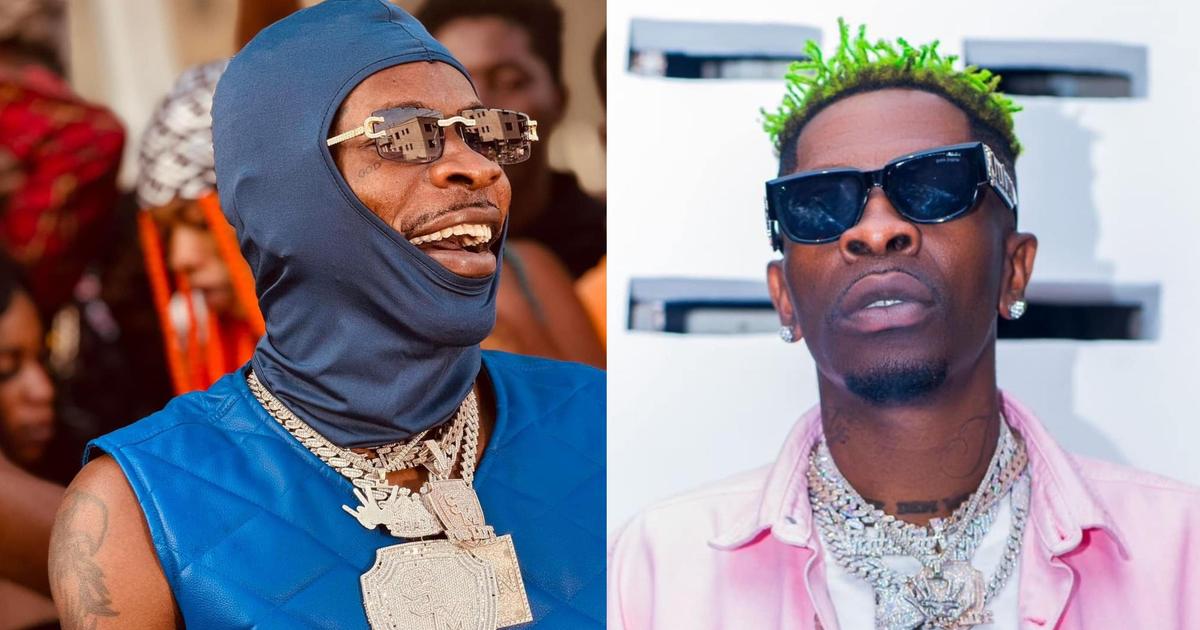
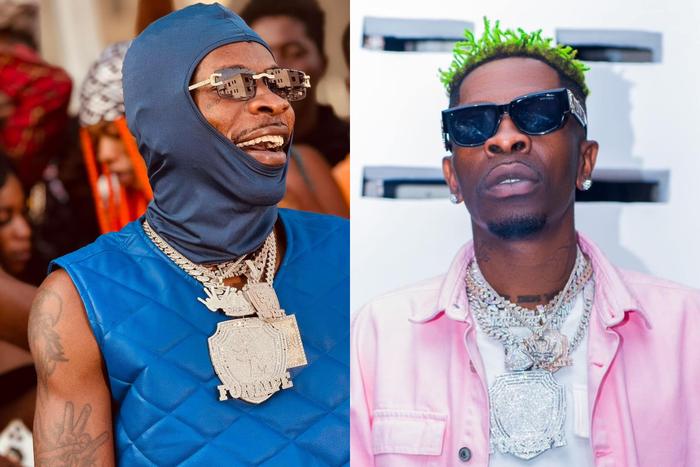
Dancehall superstar Shatta Wale has publicly demanded an apology from the Economic and Organised Crime Office (EOCO) over allegations linking him to a stolen luxury vehicle. The musician claimed that the baseless accusations not only damaged his reputation but also cost him significant business opportunities, including potential brand endorsements and collaborations.
Shatta Wale insisted in a press statement that he was unaware of any criminal involvement with the vehicle and accused EOCO of mishandling the case in a way that unfairly tarnished his image. The incident has reignited debates about how law enforcement agencies handle high-profile cases and the potential misuse of power in investigations involving celebrities.
The fallout from this controversy has left fans and industry stakeholders questioning: Can artists ever fully recover from such reputational damage? Shatta Wale’s response suggests he is not backing down, signaling that he may pursue legal recourse to clear his name.
4. Shatta Wale’s Political Ambitions: “I Want to Serve the People”

In a surprising turn of events, dancehall icon Shatta Wale has hinted at entering politics, declaring during a radio interview that he would contest a parliamentary seat if encouraged by the public. The artist, known for his outspoken nature, emphasized that his motivation would be purely service-oriented, stating:
“If the people want me to represent them, I will do it—not for personal gain, but to serve.”
His comments have ignited a fiery debate in Ghana’s entertainment and political circles. While some fans applaud his willingness to contribute to governance, others caution against celebrity politics, fearing potential conflicts of interest or distraction from his music career. Shatta Wale’s potential entry into politics could reshape Ghana’s entertainment-politics dynamic, setting a precedent for other artists considering similar paths.
5. LilWin’s Shocking DNA Revelation: “I’m Not the Biological Father of a Child I Raised for 10 Years”

Comedian and filmmaker Kwadwo Nkansah (LilWin) has sent shockwaves through his fanbase after revealing that a DNA test confirmed he is not the biological father of a child he had raised for nearly a decade. The actor, who had suspected the truth for some time, chose maturity over anger, urging other men in similar situations to stay calm and avoid emotional outbursts.
LilWin’s emotional yet composed response has resonated with many, particularly in a society where paternity disputes are often met with public shaming or violent reactions. His openness about the experience has sparked conversations on parental responsibility, adoption, and the complexities of modern family structures.
The revelation also highlights the growing importance of DNA testing in Ghana, as more individuals seek clarity in paternity matters. LilWin’s story serves as a reminder that biological truth does not always align with emotional bonds, and that acceptance and responsibility are key to navigating such challenges.
The Bigger Picture: What These Stories Tell Us About Ghana’s Entertainment Industry
This week’s headlines reflect the raw, unfiltered nature of Ghana’s entertainment sector—a space where personal lives, professional ambitions, and public perceptions constantly collide. From financial struggles behind the scenes to family feuds, legal battles, and political aspirations, the industry continues to defy expectations and push boundaries.
As fans digest these revelations, one thing is clear: Ghana’s entertainment scene is far more complex than the glamorous surface suggests. The drama, sacrifices, and unexpected twists keep audiences engaged, ensuring that every week brings new stories worth watching.
With more celebrities exploring politics, DNA revelations becoming commonplace, and industry insiders speaking out about their struggles, the coming months promise even more intrigue. One thing is certain—Ghana’s entertainment industry is here to stay, and its next chapter is already unfolding.