


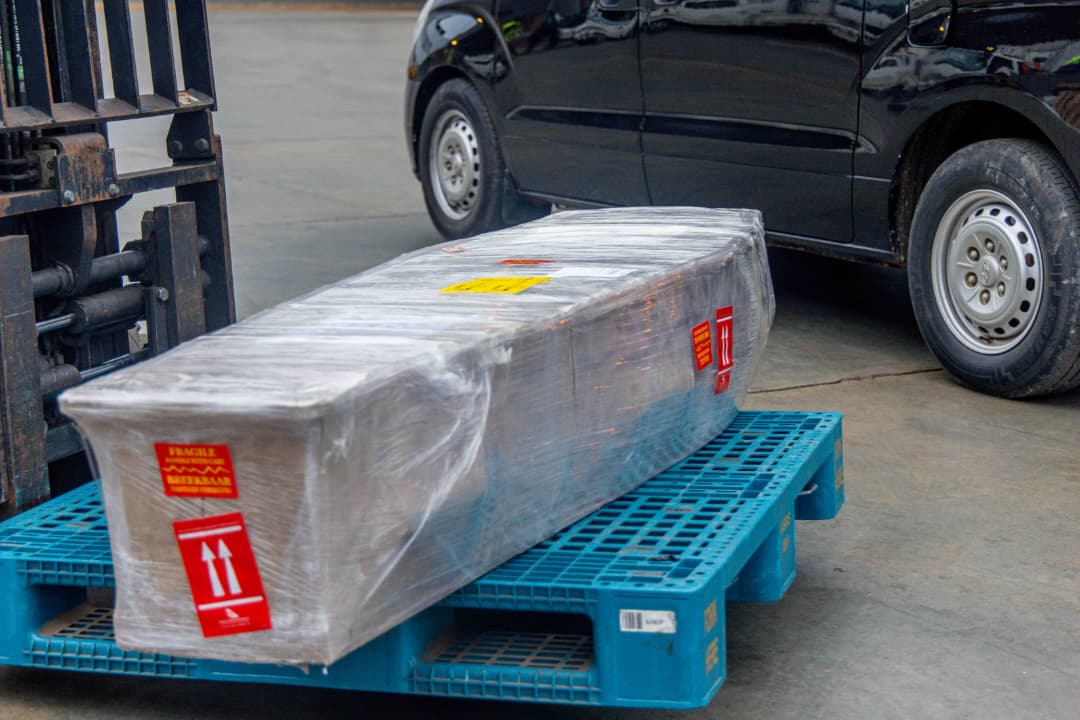
The Government of Ghana has confirmed the repatriation of the remains of Bashiru Isak, a 40-year-old Ghanaian father of three, who was fatally shot during a wave of xenophobic and anti-African violence in South Africa. The body arrived in Accra on Tuesday, July 14, 2026, at 6:40 PM, following a coordinated effort by Ghana’s High Commission in Pretoria and the Ministry of Foreign Affairs.
A Tragic Death Amidst Rising Xenophobia in South Africa
Isak, a resident of Khayelitsha, a township in Cape Town, was reportedly shot multiple times in what authorities in South Africa have denied was linked to xenophobic attacks. However, eyewitness accounts and video footage circulating on social media suggest otherwise, depicting violent mobs targeting African migrants and undocumented residents.
South Africa has faced repeated waves of xenophobic violence in recent years, with protesters—often led by local residents—demanding the deportation of African nationals accused of illegal immigration. These incidents have frequently resulted in brutal attacks, looting, and arson, with victims—many of whom are Ghanaian—suffering severe injuries or death.
South Africa’s Denial and Ghana’s Demand for Justice
In a press briefing in Pretoria on July 15, 2026, Vincent Magwenya, the South African Presidential Spokesperson, dismissed claims that Isak’s killing was racially motivated. He accused Ghana and Nigeria of leading a “campaign of lies” against South Africa, suggesting that the country was being misrepresented as isolated on the continent.
Magwenya stated:
“There was an incident involving one citizen, and it was not a fatal incident. We have seen an anti-diplomatic and unconstructive posture from some Ghanaian officials.”
However, Ghana’s Ministry of Foreign Affairs vehemently rejected these claims in a statement issued on July 16, 2026. The ministry confirmed Isak’s death as a result of the anti-illegal immigration protests, contradicting South Africa’s official stance.
Ghana’s Official Response and Next Steps
The Ministry of Foreign Affairs announced that:
– The body was repatriated with the consent of Isak’s family.
– Family members and senior officials were present at Kotoka International Airport to receive the remains.
– The body has been deposited at the 37 Military Hospital in Accra for further processing.
A key development in the case is the agreement to conduct an independent autopsy in Ghana. The ministry noted that South African authorities have refused to provide an autopsy report, despite repeated requests from Ghana’s High Commission and Isak’s family.
The statement concluded:
“The Government of Ghana renews its demand for justice. We expect expedited investigations, arrests, and prosecution. There must be no room for silence or cover-ups in the gruesome killing of Bashiru Isak. After the autopsy, he shall be buried in accordance with Islamic customs.”
Ghana’s Mass Repatriation Efforts Amid Rising Xenophobia
In response to the escalating violence, Ghana has voluntarily repatriated 926 citizens from South Africa between May and June 2026. An additional 900 citizens have been screened and are awaiting further evacuation, according to diplomatic sources.
The Ghanaian government has condemned the xenophobic attacks, urging South Africa to take decisive action against those responsible. The Ministry of Foreign Affairs has also expressed concern over the failure of South African authorities to protect African nationals and ensure accountability for such crimes.
A Growing Crisis: Xenophobia in South Africa
The recent surge in xenophobic violence in South Africa has deepened tensions between African migrants and local communities. Protests, often sparked by economic grievances, have frequently turned violent, with mobs attacking shops, homes, and individuals suspected of being undocumented.
Social media footage has shown:
– Armed mobs targeting African-owned businesses.
– Looting and burning of properties in African-dominated areas.
– Physical assaults on migrants, some of whom have been beaten to death.
The United Nations (UN) and African Union (AU) have condemned the violence, calling for stronger measures to protect migrants and ensure justice for victims.
Conclusion: A Call for Accountability
The repatriation of Bashiru Isak’s body marks another tragic chapter in the ongoing crisis of xenophobia in South Africa. While South African authorities continue to downplay the severity of the attacks, Ghana remains unwavering in its demand for justice.
The Ghanaian government’s decision to conduct an independent autopsy underscores its commitment to ensuring transparency in the case. As the autopsy proceeds, the world will be watching to see whether South Africa takes meaningful steps to investigate, prosecute, and prevent further violence against African migrants.
For now, the Isak family and the Ghanaian diaspora in South Africa continue to mourn their loss, while the government works to secure justice in a system that has so far failed to hold perpetrators accountable.