


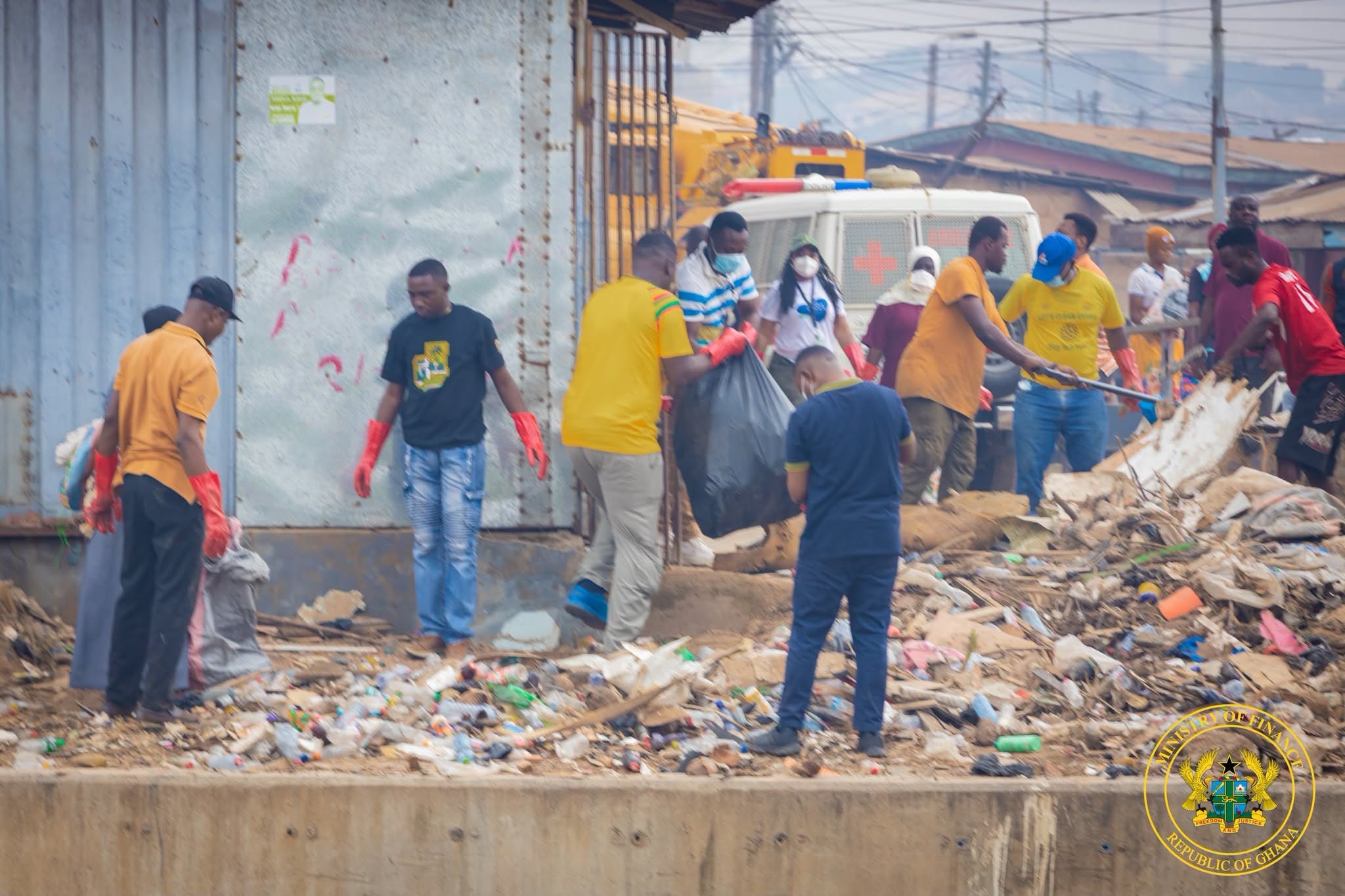
Ghana has embarked on a nationwide clean-up exercise, a nationwide initiative aimed at restoring environmental cleanliness, promoting public health, and fostering civic responsibility. The first day of this ambitious campaign has already seen thousands of volunteers and government officials mobilized across the country, with key cities like Accra, Kumasi, Tamale, and Cape Coast leading the charge. Below is an in-depth look at the activities, challenges, and community responses observed during the inaugural day of the exercise.
A Nationwide Call to Action
The clean-up drive, organized by the Environmental Protection Agency (EPA) in collaboration with local government authorities, civil society organizations, and private sector partners, was launched with a strong emphasis on waste reduction, litter prevention, and sustainable urban management. President Nana Addo Dankwa Akufo-Addo, in a national address, urged Ghanaians to treat the exercise as a collective responsibility, stressing that a clean environment is essential for economic growth, public health, and national pride.
Key Locations and Highlights
1. Accra: The Epicenter of Urban Cleanliness
Accra, Ghana’s bustling capital, was one of the primary focal points of the clean-up initiative. Volunteers, including students from University of Ghana, Kwame Nkrumah University of Science and Technology (KNUST), and various high schools, converged at major hotspots such as Osu, Jamestown, and the Accra Mall area.
- Osu Market and Adjoining Streets: Teams of cleaners, equipped with gloves, brooms, and waste bins, systematically cleared accumulated garbage, discarded plastics, and illegal dumping sites. The Osu Library area, often plagued by litter, saw significant improvement as volunteers worked tirelessly to restore its aesthetic appeal.
- Jamestown’s Coastal Clean-Up: With Ghana’s coastal regions facing severe plastic pollution, volunteers from local NGOs and environmental groups organized a beach clean-up, removing tonnes of plastic waste, fishing nets, and other marine debris from the shoreline. The exercise was supported by Ghana’s Ministry of Fisheries and Aquaculture, which highlighted the threat posed by plastic pollution to marine life.
- Accra Mall and Adjacent Roads: A massive effort was undertaken to clear the Accra Mall area, where illegal dumping had become a recurring issue. The Greater Accra Regional Coordinating Council (GRCC) deployed sanitation teams to ensure that the streets leading to the mall were free of litter, enhancing the city’s overall cleanliness.
2. Kumasi: The Ashanti Region’s Clean-Up Crusade
As Ghana’s second-largest city, Kumasi played a pivotal role in the national clean-up drive. The Ashanti Regional Coordinating Council (ARCC), in partnership with local chiefs and traditional authorities, organized clean-up activities in high-traffic areas such as Kwame Nkrumah University of Science and Technology (KNUST) campus, the Kumasi Central Market, and the Oforikrom area.
- KNUST Campus Clean-Up: Students and faculty members from KNUST participated in a campus-wide clean-up, focusing on clearing litter from pathways, lecture halls, and recreational areas. The exercise was part of the university’s ongoing environmental sustainability initiatives, which include waste segregation and recycling programs.
- Kumasi Central Market: One of Africa’s largest markets, Kumasi Central Market has long been a challenge for sanitation due to its high foot traffic and commercial activities. Volunteers, including market vendors and traders, worked together to clear plastic waste, food packaging, and discarded goods from the market’s surroundings.
- Oforikrom and Adjacent Streets: The Oforikrom area, known for its dense residential and commercial structures, saw a coordinated effort by the Ashanti Regional EPA to remove illegal dumping sites. Residents reported a noticeable improvement in air quality and reduced mosquito breeding grounds following the clean-up.
3. Tamale: The Northern Region’s Environmental Revival
Tamale, the capital of the Northern Region, also joined the national clean-up drive, with a strong focus on rural-urban interface cleanliness and waste management in peri-urban areas.
- Tamale City Centre: Volunteers, including youth groups and religious organizations, cleared major streets such as Kumasi Road and Tamale Bus Station area, where litter and illegal dumping had become persistent issues. The Northern Regional Coordinating Council (NRCC) provided additional sanitation equipment to ensure the exercise was effective.
- Peri-Urban Clean-Up: Recognizing the challenges faced by rural communities surrounding Tamale, the clean-up extended to areas like Savelugu and Yendi, where volunteers worked to clear agricultural waste, plastic bottles, and discarded tires from drainage systems. This initiative aimed to reduce flooding risks during the rainy season.
- School and Community Involvement: Primary and secondary schools in Tamale, including Tamale Technical Institute, organized clean-up competitions, encouraging students to adopt environmental stewardship as a lifelong habit.
4. Cape Coast: The Central Region’s Coastal and Historical Clean-Up
Cape Coast, a historic city known for its forts and beaches, participated in the clean-up drive with a dual focus on coastal conservation and heritage preservation.
- Cape Coast Castle and Surrounding Areas: Volunteers, including tourism stakeholders and local guides, worked to clear litter from the Cape Coast Castle grounds, ensuring that the historic site remained pristine for visitors. The Central Regional Coordinating Council (CRCC) emphasized the importance of protecting Ghana’s cultural heritage through sustainable practices.
- Beach Clean-Up: The Cape Coast Beach, a popular tourist destination, was targeted for a marine debris removal exercise. Volunteers collected plastic waste, fishing nets, and discarded containers from the shoreline, with support from Ghana’s Ministry of Tourism, Arts and Culture.
- Market and Street Cleanliness: The Cape Coast Central Market and adjacent streets were thoroughly cleaned, with vendors and traders actively participating in the exercise. The clean-up aimed to enhance the city’s appeal as a tourist destination while promoting public health and hygiene.
Challenges and Lessons Learned
While the first day of the clean-up exercise was largely successful, several challenges were identified:
- Lack of Adequate Waste Management Infrastructure: Many cities, particularly in the Northern and Upper West Regions, struggle with limited waste collection services, leading to illegal dumping. The EPA has called for increased investment in waste management facilities to support future clean-up initiatives.
- Volunteer Fatigue and Coordination Issues: In some areas, disorganized efforts led to inefficiencies, particularly in rural and peri-urban regions where volunteer turnout was lower. Better logistical planning and community engagement were recommended for future exercises.
- Recurring Littering Habits: Despite the clean-up efforts, new litter was observed in some areas shortly after the exercise, indicating a need for long-term behavioral change campaigns rather than one-off clean-ups.
- Safety Concerns: Volunteers in high-risk areas, such as landfill sites and industrial zones, faced exposure to hazardous waste and toxic substances. The EPA has urged for better safety protocols to protect participants.
Government and Stakeholder Commitments
In response to the challenges, the Ministry of Environment, Science, Technology and Innovation (MESTI) has pledged to:
– Expand waste segregation programs in major cities to reduce landfill dependency.
– Increase funding for sanitation infrastructure, including recycling plants and waste-to-energy facilities.
– Launch a national public awareness campaign to promote responsible waste disposal and environmental conservation.
– Strengthen partnerships with NGOs and private sector entities to sustain clean-up efforts beyond the initial drive.
Community and Media Response
The clean-up exercise has received overwhelmingly positive feedback from Ghanaians across the country. Social media platforms were flooded with photos and videos showcasing the transformative impact of the initiative, with hashtags such as #CleanGhana2024 trending nationally.
- Local Media Coverage: Ghanaian news outlets, including Ghana News Agency (GNA), Joy News, and MyJoyOnline, provided real-time updates on the clean-up activities, highlighting the participation of celebrities, politicians, and ordinary citizens.
- Religious and Cultural Leaders’ Endorsement: Traditional leaders, such as the Asantehene, Otumfuo Osei Tutu II, and religious bodies, including the Ghana Christian Council, have publicly supported the initiative, urging their followers to adopt environmental responsibility.
- Corporate Social Responsibility (CSR) Involvement: Several Ghanaian and multinational companies, including MTN Ghana, Vodafone Ghana, and Ecobank, contributed financial resources and manpower to the clean-up, reinforcing their commitment to sustainable development.
Looking Ahead: The Path to a Cleaner Ghana
The first day of the national clean-up exercise has set a strong foundation for Ghana’s environmental revitalization efforts. However, sustained commitment from all stakeholders—government, private sector, civil society, and citizens—will be crucial in ensuring long-term success.
Key areas of focus for the next phase of the initiative include:
– Expanding the clean-up drive to rural and remote areas, where waste management challenges are most severe.
– Implementing a national recycling program to reduce landfill waste and promote circular economy principles.
– Strengthening community-led sanitation initiatives to foster local ownership of environmental cleanliness.
– Enhancing public education campaigns to change attitudes toward waste disposal and encourage pro-environmental behaviors.
As Ghana moves forward, the National Clean-Up Exercise serves as a reminder of the collective power of citizens to transform their environment. With continued effort and innovation, the nation can achieve a cleaner, healthier, and more sustainable future for all Ghanaians.
End of Article