


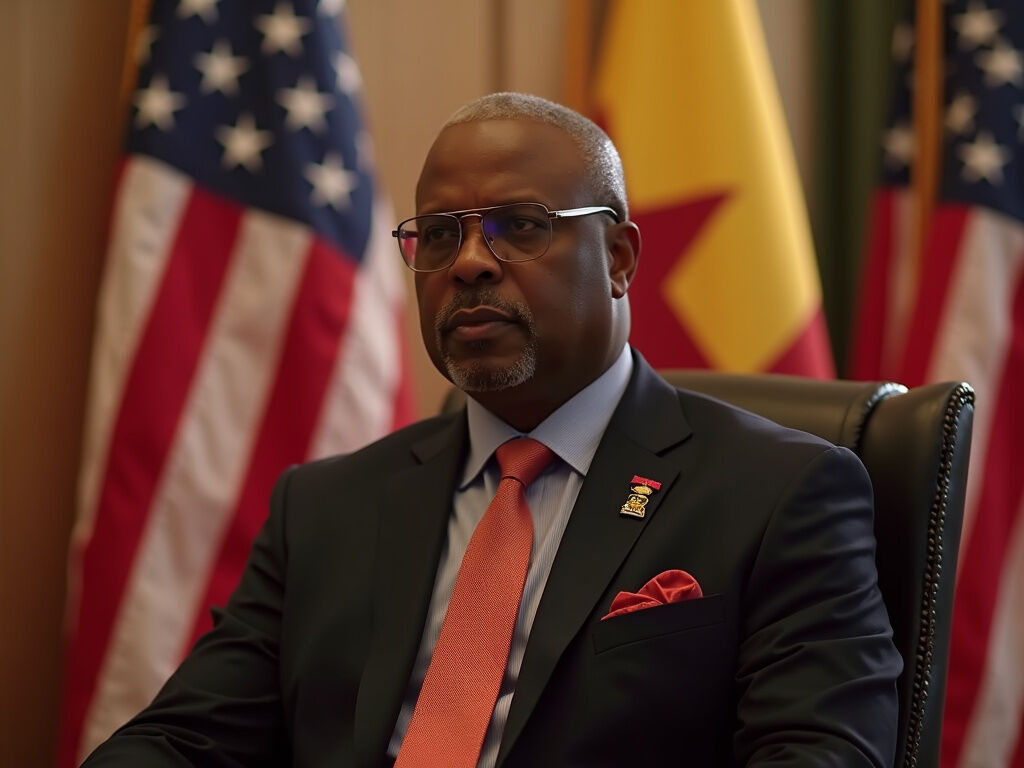
Former President of Ghana, John Dramani Mahama, has extended heartfelt congratulations to the United States of America on its 250th Independence Day, marking the nation’s historic journey from colonial rule to sovereignty. In a public statement released on July 4, 2024, Mahama celebrated the enduring legacy of American democracy while reaffirming Ghana’s commitment to deepening bilateral relations with the U.S. across economic, diplomatic, and developmental fronts.
A Tribute to American Democracy and Resilience
Mahama’s message underscored the symbolism of July 4th, a day that commemorates the birth of a nation built on principles of freedom, equality, and self-determination. He praised the resilience and adaptability of the American people, noting how the nation has consistently navigated challenges—from civil wars and economic crises to global pandemics—while upholding its democratic values.
“The United States stands as a beacon of hope for nations striving for sovereignty and prosperity,” Mahama stated. “Ghana, too, has walked a similar path, and we remain inspired by the American spirit of innovation and unity.”
The former president highlighted the shared democratic values between Ghana and the U.S., emphasizing how both nations have evolved through democratic governance, despite their distinct historical contexts. He also acknowledged the role of the U.S. in supporting Ghana’s democratic transitions, particularly during periods of political reform and electoral processes.
Strengthening Ghana-US Relations: A Call for Enhanced Collaboration
Mahama’s statement was not merely celebratory but strategic, outlining key areas where Ghana seeks to intensify cooperation with the United States. His remarks came amid growing economic and security challenges facing West Africa, making strategic partnerships with global powers like the U.S. more critical than ever.
1. Economic Partnerships and Trade Expansion
Ghana has long been a key economic partner for the U.S., particularly in sectors such as gold, cocoa, and renewable energy. Mahama reiterated Ghana’s commitment to attracting American investment, particularly in infrastructure, technology, and green energy initiatives.
“Ghana is poised to become a hub for African manufacturing and innovation, and the U.S. remains a vital partner in this vision,” he said. “We are exploring new avenues for trade agreements, technology transfer, and joint ventures that will benefit both our economies.”
The former president also mentioned the AfCFTA (African Continental Free Trade Area), where Ghana plays a pivotal role, and how U.S. engagement could further streamline trade flows across the continent.
2. Security Cooperation Against Transnational Threats
With rising insecurity in West Africa, including terrorism, smuggling, and cyber threats, Mahama emphasized the need for stronger security collaboration with the U.S. He referenced existing partnerships such as the U.S. Africa Command (AFRICOM) and called for expanded military and intelligence-sharing mechanisms.
“Ghana stands ready to work with the U.S. to combat terrorism, human trafficking, and organized crime that threaten regional stability,” he stated. “Our shared commitment to peace and security must be reinforced through joint training programs, counterterrorism initiatives, and border security enhancements.”
3. Education and Human Capital Development
Education remains a cornerstone of Ghana-US relations, with thousands of Ghanaians benefiting from U.S. scholarships, exchange programs, and educational grants. Mahama highlighted the need to expand these opportunities, particularly in STEM (Science, Technology, Engineering, and Mathematics) fields, to future-proof Ghana’s workforce.
“The Fulbright Program, Mandela Washington Fellowship, and other U.S.-funded initiatives have been instrumental in developing Ghana’s leaders,” he noted. “We must scale up these programs to ensure that Ghanaian youth are equipped with the skills needed for the 21st-century economy.”
4. Climate Change and Sustainable Development
As a frontline nation affected by climate change, Ghana has been proactive in seeking international partnerships to mitigate its impacts. Mahama praised U.S. leadership in global climate action and called for increased funding and technology transfer to support Ghana’s renewable energy projects and climate resilience programs.
“Ghana is leading in solar and wind energy across Africa, and the U.S. can play a crucial role in financing and transferring green technologies that will help us transition to a low-carbon economy,” he said.
Diplomatic Reaffirmation: A Call for Mutual Respect and Investment
Mahama’s message also reiterated Ghana’s diplomatic stance, urging the U.S. to recognize Ghana’s sovereignty and support its economic sovereignty through fair trade practices and debt relief mechanisms.
“Ghana remains a stable democracy in West Africa, and we welcome increased U.S. diplomatic engagement that goes beyond human rights dialogues to practical cooperation on trade, security, and development,” he stated.
He also expressed hope that the U.S. would revisit its sanctions and trade barriers that sometimes hinder Ghana’s economic growth, particularly in agricultural and industrial sectors**.
Looking Ahead: A New Era of Ghana-US Cooperation?
Mahama’s Independence Day message signals a renewed push for strategic alignment between Ghana and the U.S., particularly under the current administration’s Africa-focused foreign policy. His call for stronger economic, security, and developmental ties comes at a time when China’s influence in Africa is growing, making U.S. engagement more competitive and necessary.
Analysts suggest that Ghana’s proactive diplomacy under Mahama’s leadership—even in his post-presidency role—could reinvigorate bilateral relations, ensuring that Ghana remains a preferred partner for U.S. investments and policy initiatives in West Africa.
Conclusion: A Shared Future Built on Trust and Collaboration
As the U.S. celebrates its 250th Independence Day, Ghana’s former president John Dramani Mahama has reaffirmed the nation’s commitment to strengthening ties with America. His message was not just a gesture of goodwill but a strategic roadmap for enhanced cooperation in trade, security, education, and climate action.
With Ghana positioned as a gateway to Africa, the U.S. has a unique opportunity to deepen its engagement, ensuring that both nations continue to thrive in an increasingly interconnected world**.
“The road ahead is bright, but it requires shared efforts, mutual trust, and unwavering commitment—values that both Ghana and the United States hold dear,” Mahama concluded, setting the stage for a new chapter in their historic partnership.