


Accra and Abidjan Underwater: Deadly Floods and Landslides Leave Scores Dead in West Africa
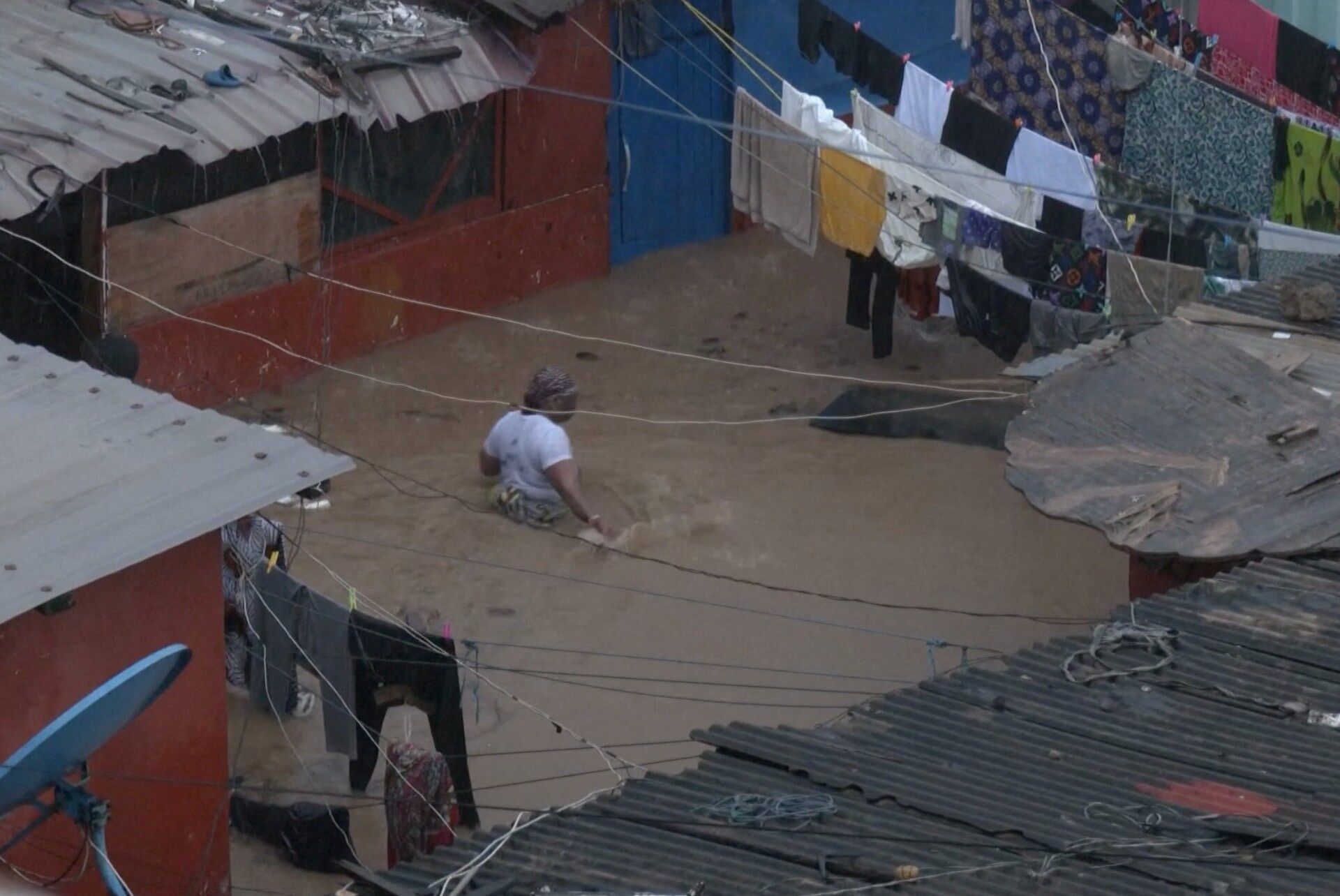
A catastrophic series of floods and landslides, triggered by relentless torrential rainfall, has left at least 32 confirmed dead across Ghana and the Ivory Coast, with rescue operations still underway in some of the hardest-hit areas. Authorities warn that the death toll could rise significantly as search and rescue teams continue their efforts amid worsening weather conditions.
Ghana: Accra Drowned in Record-Breaking Rainfall
Ghana’s capital, Accra, bore the brunt of the disaster, with heavy rainfall exceeding 140 millimeters—more than double the region’s previous single-day record of 56 millimeters—according to preliminary data shared by President John Mahama on social media. The downpour, which began on Monday, June 17, submerged entire neighborhoods, severed major roads, and triggered deadly landslides in the Greater Accra Region.
By Tuesday, June 18, Ghana’s National Fire Service confirmed that at least 12 people had died due to the floods, with dozens more reported missing. Fire Commander Rashid Kwame Nisawu revealed that rescue teams had already pulled over 400 stranded residents from flooded homes, pumping out water and providing emergency assistance throughout the night. However, the scale of the disaster remains dire, with entire communities cut off from basic services.
Mariam Dongyela Millah, Deputy Director of Communications at the National Disaster Management Organisation (NADMO), described the situation as “alarming”, stating that emergency calls flooded in from early morning as floodwaters breached homes. “The whole place was flooded,” she told local media, emphasizing that the crisis was unfolding faster than response teams could manage.
The flooding has exposed critical infrastructure vulnerabilities, including clogged drainage systems and illegal structures built along waterways, which President Mahama acknowledged as contributing factors. “That aspect of the problem is beyond our control because it is driven by changing climatic conditions,” he stated in a televised address, while also vowing to enforce stricter regulations against unauthorized constructions that obstruct natural water flow.
Despite the government’s efforts, criticism has mounted from opposition parties, including the New Patriotic Party (NPP), which accused authorities of an inadequate response. Interior Minister Mohammed Muntaka Mubarak later acknowledged the shortcomings, expressing deep regret over the loss of life. “We are really very sorry for the loss of life,” he said, while pledging a more coordinated approach to future emergencies.
Ivory Coast: Abidjan Faces Similar Devastation
Across the border in the Ivory Coast, the same weather pattern has wreaked havoc, with Abidjan, the economic capital, experiencing severe flooding and landslides since Saturday, June 15. While official death tolls remain unconfirmed, a reliable source close to firefighters and the Interior Ministry told Reuters that at least 20 people had died as of Tuesday.
Like Ghana, the Ivory Coast has struggled with rapid urbanization and poor urban planning, which has exacerbated the flooding. Residents in low-lying areas reported entire streets underwater, while landslides in hilly regions trapped dozens in their homes. The Ivory Coast’s National Disaster Management Agency (ANDRI) has urged residents to evacuate immediately, warning of further flash floods due to persistent rainfall.
Climate Change and Human Factors Amplify the Crisis
Experts warn that climate change is intensifying extreme weather events, with increased rainfall intensity becoming more frequent in West Africa. However, local officials also highlight human activities—such as deforestation, illegal building, and inadequate drainage systems—as major contributors to the severity of the floods.
Ghana’s Meteorological Agency has issued multiple warnings, advising residents in Accra to prepare for further heavy rainfall this week. “We expect more downpours, and communities must remain vigilant,” a spokesperson stated, urging people to clear drainage channels and avoid risky areas.
International and Local Response
International aid organizations, including the Red Cross and UNICEF, have pledged support, offering emergency relief supplies, medical aid, and search-and-rescue assistance. Locally, the Ghanaian government has deployed military and civil defense teams to assist in evacuations, while the Ivory Coast’s authorities have activated national disaster protocols, including airlifting stranded residents to safety.
As rescue operations continue, authorities in both countries are urging citizens to stay indoors, avoid floodwaters, and report blocked drainage systems immediately. The human cost of this disaster remains high, with families still searching for missing loved ones amid the devastation.
Looking Ahead: Mitigation and Preparedness
In the wake of this tragedy, there is growing pressure on governments to strengthen disaster preparedness. Key measures include:
– Enforcing stricter building codes to prevent illegal constructions in flood-prone areas.
– Expanding and maintaining drainage systems to handle increased rainfall.
– Investing in early warning systems to alert residents before storms strike.
– Promoting reforestation and sustainable land use to reduce landslide risks.
For now, the focus remains on saving lives and providing relief to those affected. As the rain continues to fall, the full extent of the damage—and the toll on human lives—remains uncertain. One thing is clear: West Africa’s cities must adapt quickly to the new reality of climate-driven disasters.