


Corporal punishment ban necessary to protect children’s rights – Haruna Iddrisu – Education Minister, Haruna Iddrisu has defended the ban on corporal punishment in public and private pre-tertiary schools, saying the policy is necessary to protect the rights and freedoms of children. He said the decision, introduced under the Akufo
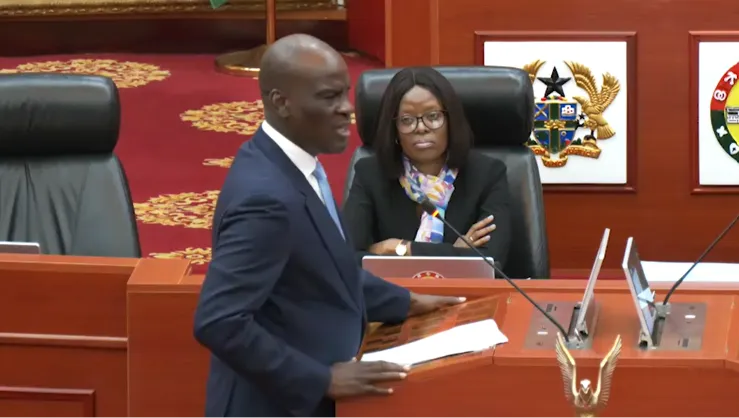
Education Minister, Haruna Iddrisu has defended the ban on corporal punishment in public and private pre-tertiary schools, saying the policy is necessary to protect the rights and freedoms of children.
He said the decision, introduced under the Akufo-Addo administration, was informed by the need to uphold students’ fundamental freedoms and human rights.
Responding to questions in Parliament, Mr Iddrisu argued that children today are more aware of their rights and should not be subjected to physical punishment in the name of discipline.
“What informed that decision, I believe, was the need to uphold fundamental freedoms and human rights. To what extent can you abuse a child? Mr Speaker, today’s children are unlike those of our generation; they know their rights and demand that those rights be respected. I think the decision was well thought through,” he said.
Mr Iddrisu acknowledged the traditional approach to discipline, referring to the carrot-and-stick principle, which combines rewards for good behaviour with consequences for wrongdoing.
He, however, called for the use of alternative disciplinary measures in schools, including counselling, withdrawal of privileges and positive reinforcement, instead of physical punishment.
Diaspora Perspectives & UK-Ghana Linkages: The developments concerning ‘Corporal punishment ban necessary to protect children’s rights – Haruna Iddrisu’ have sparked significant dialogue among Ghanaian communities in the United Kingdom and across Europe. Diaspora stakeholders and business associations continue to examine the economic and social ramifications, highlighting the enduring bridge between home institutions and global Ghanaian interests.
Policy Context & Institutional Resilience: Policy analysts and governance observers point out that addressing the core themes raised by this story requires steady regulatory adherence and stakeholder transparency. Sustained institutional performance and accountable administration remain central priorities for public and private sector stakeholders.
Ongoing Monitoring & Editorial Coverage: As further official statements and verified updates emerge from regulatory bodies and community representatives, GhanaNews UK will maintain comprehensive, balanced reporting. Readers can rely on continuous follow-ups as the story progresses.