


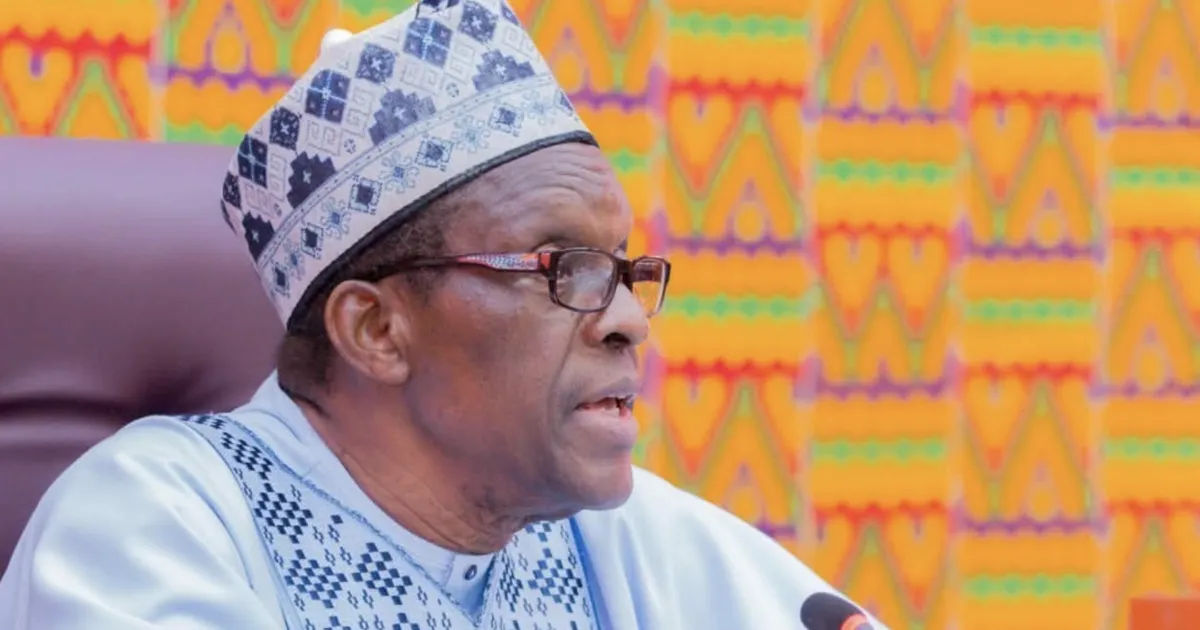
Bagbin raises concerns over reduction in Parliament’s 2027 budget allocation – The Speaker of Parliament, Alban Bagbin, has expressed dissatisfaction with a reduction in Parliament’s proposed budget allocation for the 2027 financial year, warning that it could affect the effective functioning of the House.
Parliament had requested GH¢2,953,139,666 for its operations in 2027, but the President has recommended an allocation of GH¢2,283,561,480, representing a reduction of approximately GH¢669.6 million.
Mr Bagbin said the shortfall would affect key areas of expenditure, particularly capital projects, goods and services, as well as the recruitment of additional technical and expert personnel.
He said the reduced allocation could also limit Parliament’s ability to engage consultants and other technical professionals to strengthen its operations.
“Our requests will not be fully met, and there are areas that we are called upon to look at, particularly with regard to capital expenditure and goods and services,” he said.
“Our request to also add additional expert and technical hands have also been affected in the compensation of employees, and so we may not be able to ask for some consultancies and some technical people to support us in some of the areas that we need to be strengthened to do our work,” he added.
The Speaker consequently referred the matter to the Committee on Parliament, alongside the leadership of the Budget and Finance Committees, to consider the proposed allocation and report to the House.
The proposed allocations form part of more than GH¢5 billion earmarked for Parliament, the Judiciary and the Ghana Audit Service for the 2027 financial year.
The budgetary provisions are made in accordance with Article 179 of the 1992 Constitution, which provides for budgetary allocations to state institutions, including the other arms of government.
Diaspora Perspectives & UK-Ghana Linkages: The developments concerning ‘Bagbin raises concerns over reduction in Parliament’s 2027 budget allocation’ have sparked significant dialogue among Ghanaian communities in the United Kingdom and across Europe. Diaspora stakeholders and business associations continue to examine the economic and social ramifications, highlighting the enduring bridge between home institutions and global Ghanaian interests.
Policy Context & Institutional Resilience: Policy analysts and governance observers point out that addressing the core themes raised by this story requires steady regulatory adherence and stakeholder transparency. Sustained institutional performance and accountable administration remain central priorities for public and private sector stakeholders.