


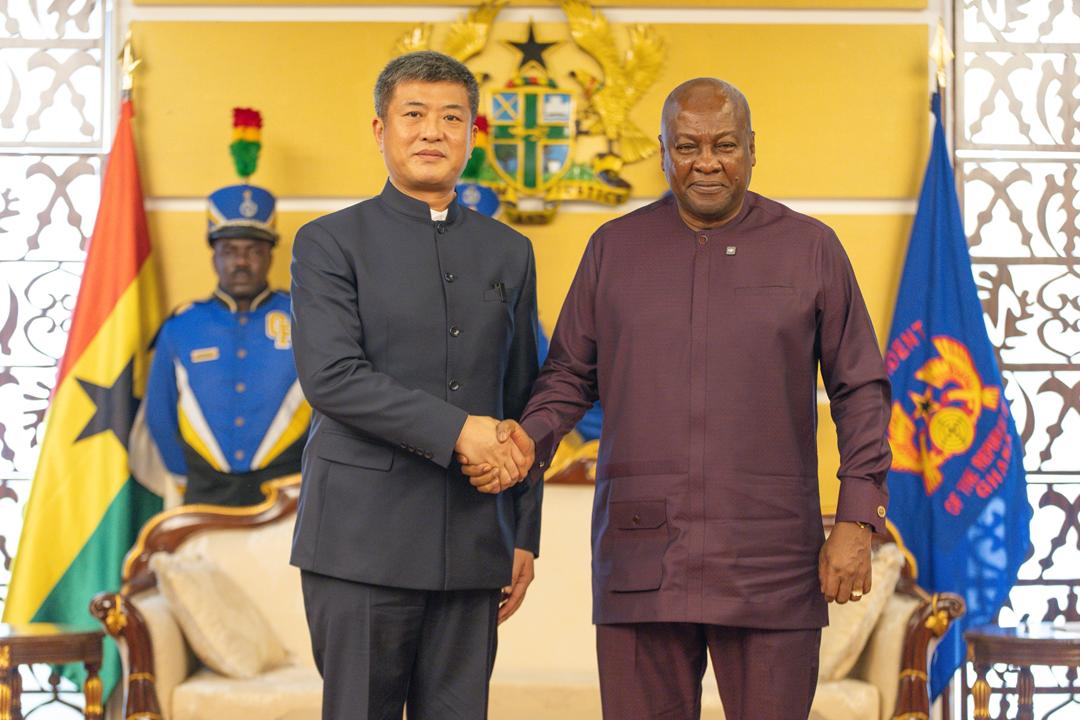
In a significant diplomatic and economic gesture, China has publicly commended Ghana’s relentless efforts to reduce its dependence on imported fuel, marking a pivotal step in the nation’s energy sovereignty agenda. The endorsement comes as Ghana accelerates its transition toward domestic energy production, a move that aligns with broader regional and global trends toward energy independence and sustainability.
A Strategic Shift Toward Energy Independence
Ghana, Africa’s second-largest economy, has long grappled with the economic and logistical burdens of fuel imports, which consume a substantial portion of its foreign exchange reserves. The government’s recent initiatives—particularly the expansion of domestic refining capacity and investments in alternative energy sources—have drawn international attention. China’s recognition of these efforts underscores the global significance of Ghana’s energy strategy.
The Chinese government’s praise follows Ghana’s unveiling of its National Energy Transition Roadmap, a comprehensive plan aimed at diversifying the energy mix, enhancing refining capabilities, and integrating renewable energy sources. Key components of this roadmap include:
– Expansion of the Tema Oil Refinery, a flagship project designed to boost local refining capacity and reduce reliance on imported petroleum products.
– Investments in liquefied natural gas (LNG) infrastructure, including the West African Gas Pipeline (WAGP), which will connect Ghana to regional gas reserves, further stabilizing domestic energy supplies.
– Accelerated adoption of renewable energy, with solar, wind, and biomass projects gaining traction to complement conventional energy sources.
China’s Role in Ghana’s Energy Evolution
China’s endorsement is not merely symbolic; it reflects the country’s strategic partnership with Ghana in the energy sector. Over the years, Chinese state-owned enterprises and private firms have played a crucial role in Ghana’s infrastructure development, including oil and gas projects. Recent collaborations include:
– Support for the Tema Refinery Upgrade: Chinese firms have been instrumental in modernizing Ghana’s refining infrastructure, ensuring it meets international standards and enhances output efficiency.
– Investments in Renewable Energy: Chinese companies have been involved in large-scale solar and wind projects, contributing to Ghana’s renewable energy capacity.
– Technological and Financial Assistance: China has provided both financial backing and technical expertise to Ghana’s energy transition, including training programs for local engineers and policymakers.
Regional and Global Implications
Ghana’s push for fuel independence resonates beyond its borders, offering a model for other African nations seeking to reduce energy vulnerabilities. The continent’s energy landscape is undergoing rapid transformation, with several countries exploring domestic refining and renewable energy solutions. Ghana’s success in this arena could inspire similar initiatives across the region, particularly in nations with abundant natural resources but limited refining infrastructure.
Moreover, Ghana’s energy strategy aligns with global sustainability goals, including the Paris Agreement and the African Union’s Agenda 2063, which emphasize transitioning to cleaner energy sources. By reducing fossil fuel imports, Ghana is not only strengthening its economic resilience but also contributing to global efforts to combat climate change.
Challenges and Future Outlook
Despite the progress, Ghana faces significant challenges in achieving full fuel independence. Key hurdles include:
– Infrastructure Gaps: While refining capacity is expanding, the country still requires substantial investments in storage, distribution, and transportation networks.
– Financial Constraints: The high costs of energy projects, particularly in renewable sectors, necessitate sustained international and domestic funding.
– Policy Stability: Long-term energy policies must remain consistent to attract continued investment and ensure project viability.
However, the Chinese endorsement serves as a strong affirmation of Ghana’s commitment to overcoming these challenges. With continued collaboration between Ghana and China, as well as other global partners, the nation is well-positioned to achieve its energy independence goals within the next decade.
Conclusion
China’s commendation of Ghana’s drive to end fuel import dependence underscores the nation’s proactive approach to energy security and sustainability. As Ghana accelerates its transition toward domestic energy production, its journey offers valuable lessons for Africa and the world. With strategic partnerships, technological advancements, and unwavering political will, Ghana is poised to redefine its energy future—one that is not only self-sufficient but also sustainable and resilient. This milestone marks a turning point in Ghana’s economic trajectory, reinforcing its status as a leader in Africa’s energy transition.