


Ghana’s agricultural sector is poised for a transformative shift as the first batch of 11 Farmer Service Centres (FSCs) under the Feed Ghana Programme is slated for completion and operationalisation by October 2024. This landmark development, announced by Mr. Peter Nuhu, Coordinator of the FSC Initiative, marks a significant milestone in the government’s efforts to modernise agriculture, enhance productivity, and empower smallholder farmers across the country.
A Multifaceted Hub for Agricultural Development
The newly constructed FSCs, currently under construction in strategically selected agricultural districts, will serve as one-stop-shop hubs for farmers, offering a comprehensive suite of services designed to address key challenges in the sector. These include:
- Mechanisation Services: Access to modern farming equipment and tools to reduce manual labour and improve efficiency.
- Agricultural Inputs: Reliable supply of high-quality seeds, fertilisers, pesticides, and other essential inputs at competitive prices.
- Extension Support: Expert guidance on best farming practices, climate-resilient techniques, and innovative agricultural methods.
- Financial Services: Linkages to microfinance institutions and agricultural credit schemes to facilitate access to capital for farmers.
- Market Linkages: Direct connections to buyers, processors, and exporters to ensure fair pricing and reduce post-harvest losses.
- Capacity-Building Programmes: Training workshops, seminars, and certifications to upskill farmers and agribusinesses.
- Climate-Smart Solutions: Adaptive strategies to mitigate the impacts of climate change, including drought-resistant crops and sustainable water management.

An artist’s impression of a Farmer Service Centre under the Feed Ghana Programme, designed to serve as a comprehensive agricultural support hub for smallholder farmers.
Strategic Rollout Across Key Food-Producing Regions
The government has prioritised the distribution of these centres in high-potential agricultural zones to maximise impact. Districts such as Afram Plains, West Gonja, Savelugu, and Ejura are among the first to benefit from this initiative, reflecting a deliberate effort to decentralise agricultural support and reach farmers in traditionally underserved areas.
Mr. Nuhu emphasised that the geographical spread of the centres aligns with the Feed Ghana Programme’s vision to enhance food security by targeting regions critical to Ghana’s agricultural output. By ensuring proximity to farming communities, the FSCs aim to reduce transaction costs, improve service delivery, and foster long-term sustainability.
Over 1.2 Million Farmers Already Registered Through Cooperatives
A key innovation under the Feed Ghana Programme is the community-based cooperative model, which has already seen more than 1.2 million farmers registered across the country. This structured approach organises farmers into commodity-specific cooperatives, enabling them to collectively access resources, negotiate better prices, and improve accountability.
Mr. Nuhu highlighted that the cooperative framework is critical to the success of the FSCs, as it ensures that services are sustainable, equitable, and farmer-driven. He noted:
“We realised that working through cooperatives provides a more sustainable approach. These farmers have been organised into commodity-based groups within their communities and will be among the first beneficiaries of services from the centres when they become operational.”
This model not only strengthens collective bargaining power but also fosters community ownership, ensuring that the FSCs remain relevant and responsive to farmers’ needs over time.
Farmers in a cooperative group discuss agricultural best practices during a Feed Ghana Programme outreach session. The cooperative model is central to the success of the Farmer Service Centres.
Youth Engagement: Bridging the Agricultural Skills Gap
One of the most pressing challenges in Ghana’s agricultural sector is the ageing farmer population, with a significant portion of the workforce nearing retirement. To address this, the government is actively recruiting and retaining young people in agriculture through targeted interventions.
Mr. Nuhu underscored the importance of youth participation in sustaining the sector’s growth:
“The future of agriculture depends on our ability to attract and empower young people. These students are the future researchers, extension officers, and agribusiness leaders we need to drive the sector forward.”
As part of this strategy, the Feed Ghana Programme has deployed over 4,000 national service personnel under rolling contracts to support agricultural extension activities. Additionally, plans are underway to engage agricultural students as interns, providing them with hands-on experience in farming communities while bridging the gap between farmers and extension officers.
Ag-Stud Africa Bootcamp: A Platform for Youth Innovation
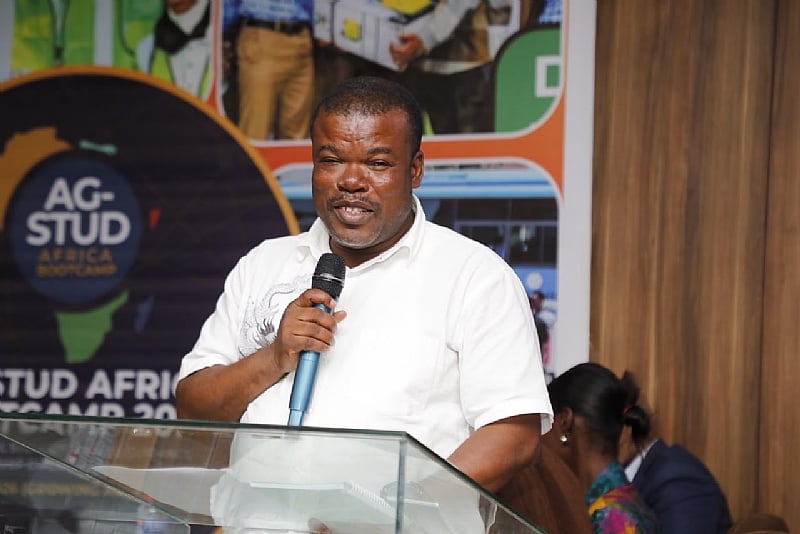
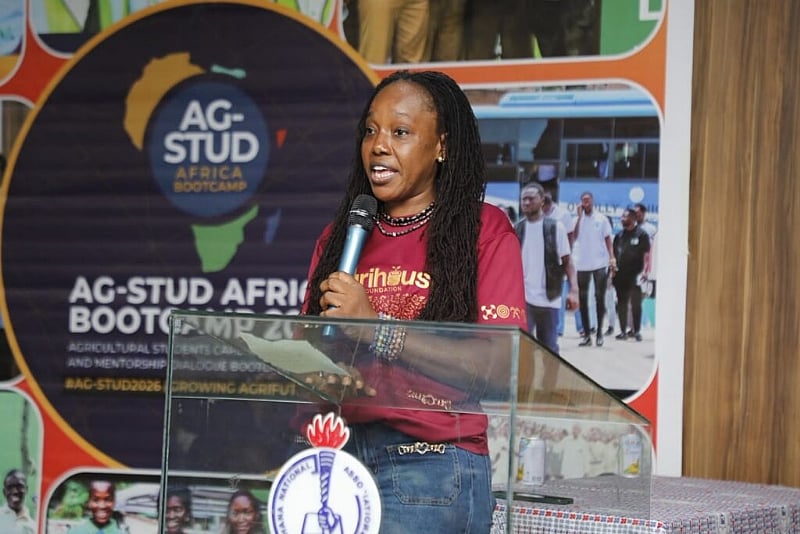
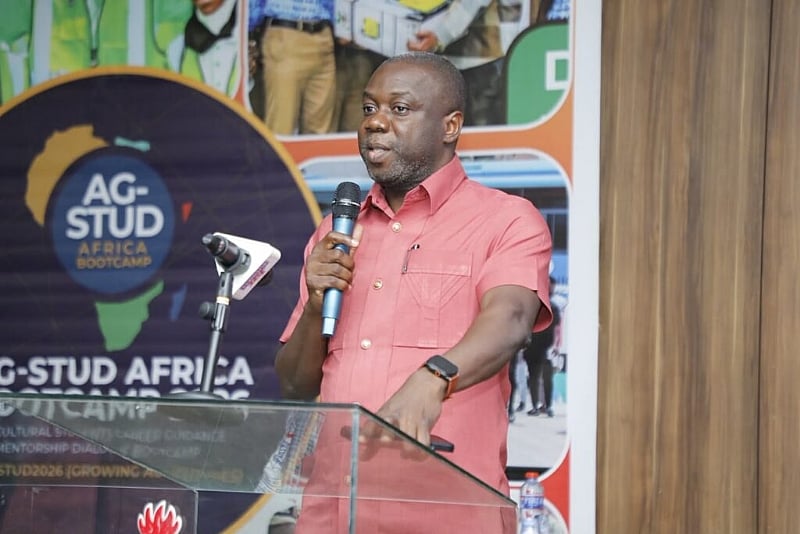
The announcement came during the ninth Agricultural Students Career Guidance and Mentorship Dialogue Bootcamp (Ag-Stud Africa Bootcamp 2026), organised by the Agrihouse Foundation in collaboration with partners. The event brought together 18 agricultural colleges and universities from all 16 regions of Ghana, aiming to solicit ideas from students on how to sustain the Feed Ghana Programme and the FSC Initiative.
Participants at the Ag-Stud Africa Bootcamp 2026 engage in discussions on innovative solutions to enhance the Feed Ghana Programme’s impact on smallholder farmers.
Ms. Alberta Naa Akyaa Akosa, Team Lead of the Agrihouse Foundation, explained that the bootcamp was redesigned to deepen students’ understanding of the Feed Ghana Programme and the FSCs, while also providing a platform for policy recommendations. She revealed that participants conducted research on the initiatives and presented practical proposals to officials from the Ministry of Food and Agriculture (MoFA).
The Foundation plans to submit a comprehensive five-page report summarising the students’ recommendations, with follow-up actions to ensure their implementation. Ms. Akosa described this process as vital for strengthening youth participation, innovation, and inclusivity in agricultural policy development.
Aligning Youth Aspirations with National Agricultural Goals
Mr. Bright Demordzi, National Coordinator of the Feed Ghana Programme, praised the bootcamp as a strategic platform for fostering collaboration between policymakers and young agricultural professionals. He noted that the initiative directly supports the government’s agricultural transformation agenda, which seeks to:
– Increase food production through modern farming techniques.
– Improve market access for farmers to reduce post-harvest losses.
– Promote value addition to agricultural products for higher income generation.
– Create employment opportunities, particularly for youth and women.
Mr. Demordzi emphasised that youth-focused interventions and institutional capacity-building are essential for creating a resilient and sustainable agricultural economy. He assured stakeholders of MoFA’s commitment to partnering with organisations like the Agrihouse Foundation to empower the next generation of agricultural leaders.
A Call to Action: Empowering Farmers for a Food-Secure Future
With the first 11 FSCs set to become operational by October, the Feed Ghana Programme is taking a giant leap forward in its mission to transform Ghana’s agricultural landscape. By integrating technology, financial inclusion, market linkages, and youth engagement, the initiative is poised to boost productivity, reduce poverty, and ensure food security for millions of Ghanaians.
As the centres roll out, the focus will shift to scaling up operations, expanding coverage to additional districts, and continuously refining services based on farmer feedback. The success of this programme hinges on collaboration between the government, cooperatives, youth, and private sector stakeholders, ensuring that no farmer is left behind in Ghana’s agricultural revolution.

Farmers in a northern Ghanaian district inspect mechanised equipment provided through the Feed Ghana Programme, highlighting the initiative’s role in modernising traditional farming practices.
The Feed Ghana Programme’s Farmer Service Centres are not just buildings—they are beacons of hope, symbolising Ghana’s commitment to building a prosperous, sustainable, and youth-driven agricultural future.