


La Nkwantanang-Madina Assembly abolishes shift system in nearly all public basic schools – The La Nkwantanang-Madina Municipal Assembly has abolished the shift system in nearly all public basic schools in the municipality following the completion of additional classroom infrastructure. The Municipal Chief Executive, Ibrahim Fiala Fuseini,
The La Nkwantanang-Madina Municipal Assembly has abolished the shift system in nearly all public basic schools in the municipality following the completion of additional classroom infrastructure.
The Municipal Chief Executive, Ibrahim Fiala Fuseini, said only one location in the municipality was yet to benefit from the intervention, which is intended to allow pupils to attend school under a single timetable.
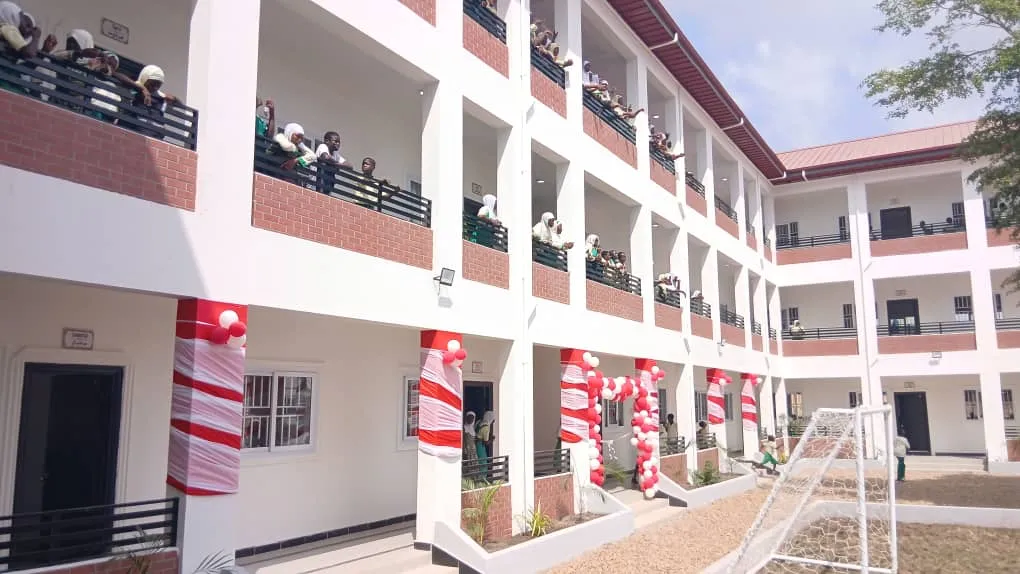
He announced this during the commissioning of a three-storey, 18-unit classroom block and a teachers’ bungalow for Babayara School in Madina on Saturday, November 28.
Mr Fuseini said the affected schools would begin operating a single-session timetable from Monday, with classes starting in the morning and ending between 2 p.m. and 3 p.m.
“Henceforth, after the commissioning, like I said, we’ve abolished all the shift system. So from Monday, they are all going to run under one particular system. That’s in the morning; they close at 3 o’clock or 2 o’clock, and they are good to go,” he said.
He said the change would prevent interruptions to pupils’ learning and give them more time for academic activities.
The MCE also urged headteachers, education authorities, parents, former students and other stakeholders to help maintain the new facilities, stressing that substantial public funds had been invested in their construction.
He called on school authorities and stakeholders to ensure the infrastructure was properly used and to promote discipline and a sense of ownership among pupils.
Diaspora Perspectives & UK-Ghana Linkages: The developments concerning ‘La Nkwantanang-Madina Assembly abolishes shift system in nearly all public basic schools’ have sparked significant dialogue among Ghanaian communities in the United Kingdom and across Europe. Diaspora stakeholders and business associations continue to examine the economic and social ramifications, highlighting the enduring bridge between home institutions and global Ghanaian interests.
Policy Context & Institutional Resilience: Policy analysts and governance observers point out that addressing the core themes raised by this story requires steady regulatory adherence and stakeholder transparency. Sustained institutional performance and accountable administration remain central priorities for public and private sector stakeholders.