


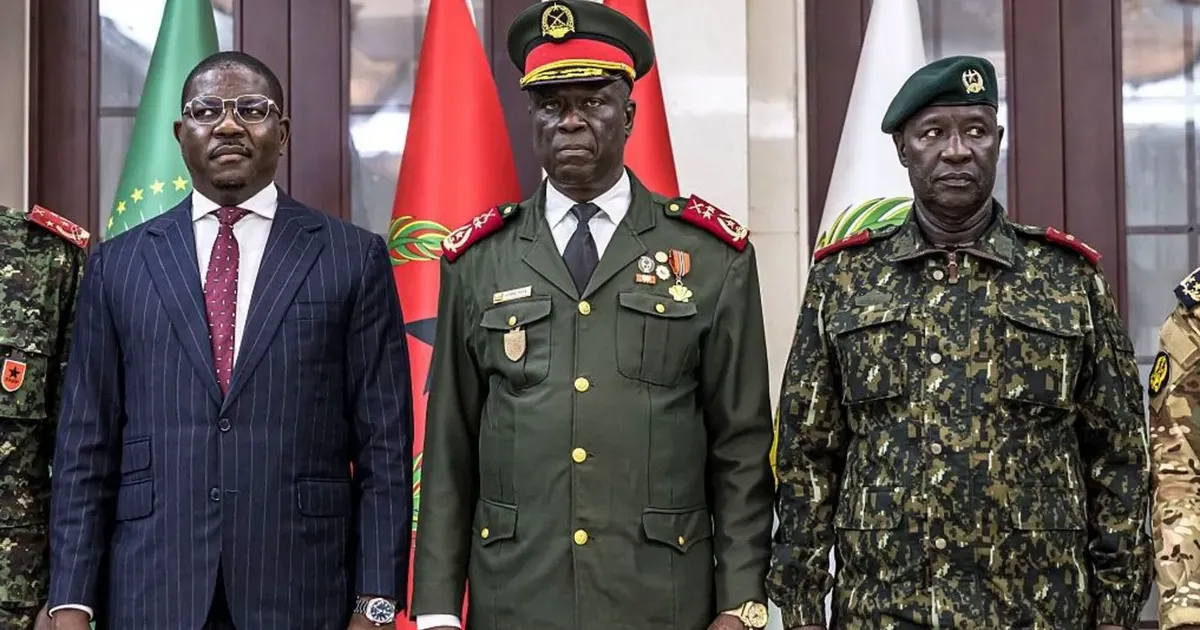
Guinea-Bissau’s military leaders delay return to civilian rule until 2028 – Guinea-Bissau’s military rulers have postponed elections scheduled for next week by two years, delaying the return to civilian rule.
Transitional President Gen Horta N’Tam announced in a decree that the presidential and parliamentary elections, originally due on 6 December, would now take place on 26 November 2028.
The announcement came exactly a year after the military seized power, promising to return the country to civilian rule within 12 months.
In a statement, the presidency said an assessment of electoral preparations had found that there were insufficient “technical, material and financial conditions” to hold the polls as planned.
It said the delay would provide more time to ensure the elections were credible, transparent and inclusive, with all candidates given equal opportunities.
The presidency also reiterated its commitment to holding the country’s first-ever local government elections but gave no date for the vote.
Gen N’Tam was sworn in as transitional president a day after the military overthrew President Umaro Sissoco Embaló in November 2025.
The coup took place three days after general elections and a day before provisional results were due to be announced.
Both Embaló and his main challenger, Fernando Dias, had claimed victory.
Embaló, who has since been living in exile in Morocco, was barred from returning to Guinea-Bissau last month, despite expressing an interest in contesting the elections.
Guinea-Bissau has experienced several coups and attempted coups since gaining independence from Portugal in 1974.
Diaspora Perspectives & UK-Ghana Linkages: The developments concerning ‘Guinea-Bissau’s military leaders delay return to civilian rule until 2028’ have sparked significant dialogue among Ghanaian communities in the United Kingdom and across Europe. Diaspora stakeholders and business associations continue to examine the economic and social ramifications, highlighting the enduring bridge between home institutions and global Ghanaian interests.
Policy Context & Institutional Resilience: Policy analysts and governance observers point out that addressing the core themes raised by this story requires steady regulatory adherence and stakeholder transparency. Sustained institutional performance and accountable administration remain central priorities for public and private sector stakeholders.
Ongoing Monitoring & Editorial Coverage: As further official statements and verified updates emerge from regulatory bodies and community representatives, GhanaNews UK will maintain comprehensive, balanced reporting. Readers can rely on continuous follow-ups as the story progresses.