


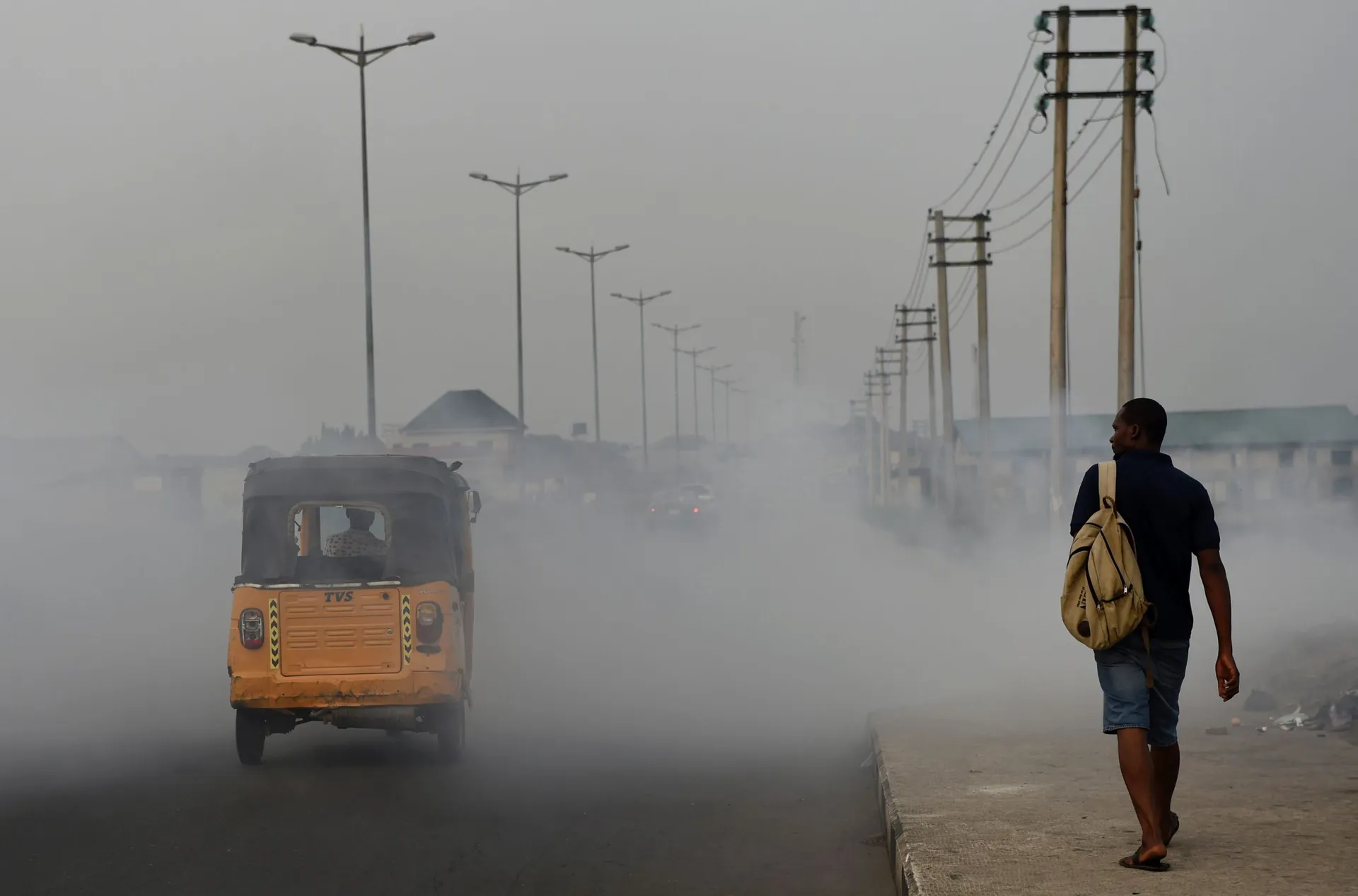
Ghana loses $1.9bn annually to air pollution – Clean Air Fund – Ghana loses about $1.9 billion annually to ambient air pollution, the Country Lead for the Clean Air Fund, Desmond Appiah, has disclosed. He said the economic cost highlights the need for the government to prioritise air pollution control as part of
Ghana loses about $1.9 billion annually to ambient air pollution, the Country Lead for the Clean Air Fund, Desmond Appiah, has disclosed.
He said the economic cost highlights the need for the government to prioritise air pollution control as part of efforts to tackle non-communicable diseases (NCDs) under the MahamaCares programme.
Speaking on the Citi Breakfast Show on Friday, November 27, Mr Appiah argued that air pollution is a significant contributor to several non-communicable diseases and called for some resources under the programme to be directed towards addressing the problem.
“UNDP has done a work which we supported and established that Ghana loses about $1.9 billion a year to ambient air pollution. And some of us have been making the case that the MahamaCares Project, which is looking at non-communicable diseases, air pollution is a major source of non-communicable diseases, so a bit of focus or a shift of some of those resources should be used to address some of these fundamental causes of non-communicable diseases. That is why we are supporting all these kind of work to make the case stronger.”
Explore the world of impactful news with CitiNewsroom on WhatsApp!
Click on the link to join the Citi Newsroom channel for curated, meaningful stories tailored just for YOU:
https://whatsapp.com/channel/0029VaCYzPRAYlUPudDDe53x
No spam, just the stories that truly matter! #StayInformed #CitiNewsroom #CNRDigital
Diaspora Perspectives & UK-Ghana Linkages: The developments concerning ‘Ghana loses $1.9bn annually to air pollution – Clean Air Fund’ have sparked significant dialogue among Ghanaian communities in the United Kingdom and across Europe. Diaspora stakeholders and business associations continue to examine the economic and social ramifications, highlighting the enduring bridge between home institutions and global Ghanaian interests.
Policy Context & Institutional Resilience: Policy analysts and governance observers point out that addressing the core themes raised by this story requires steady regulatory adherence and stakeholder transparency. Sustained institutional performance and accountable administration remain central priorities for public and private sector stakeholders.